
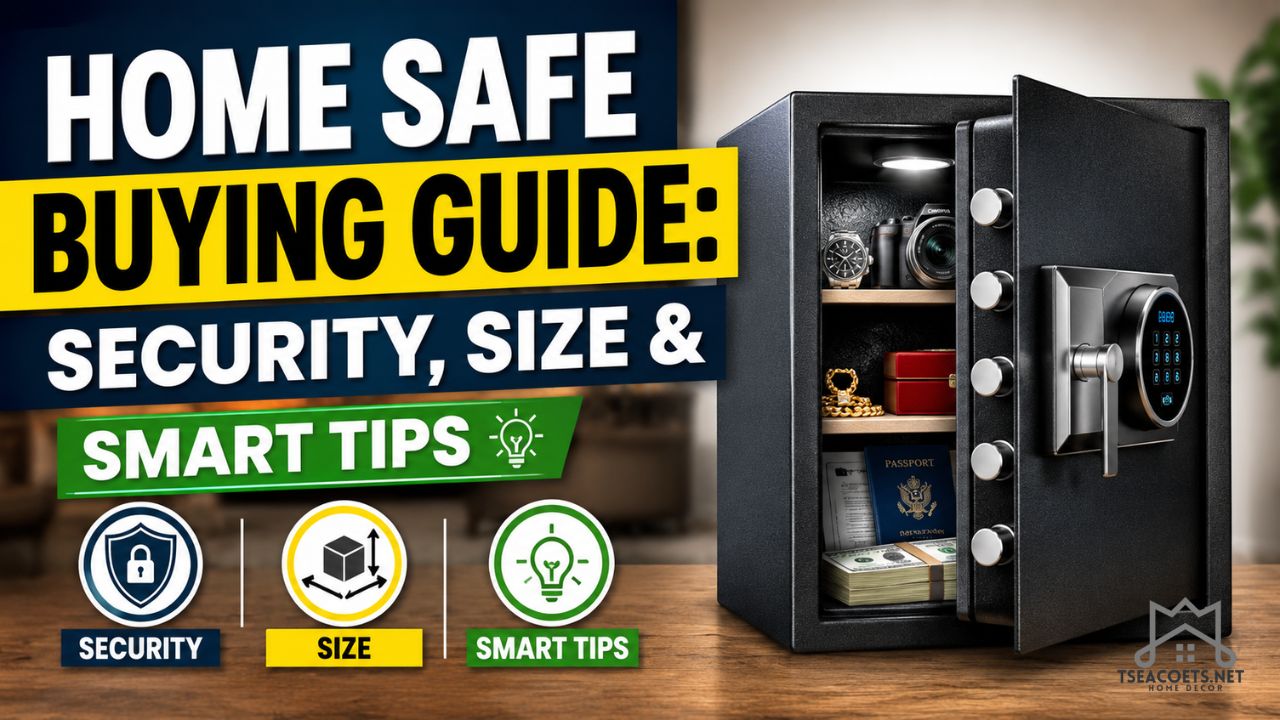
Introduction
Most people don’t think seriously about protecting important belongings until something goes wrong. A sudden burglary, a house fire, or even a plumbing leak can destroy passports, jewelry, cash, and irreplaceable family documents in minutes. That’s why choosing the right home safe has become less of a luxury and more of a practical decision for modern households.
The truth is, peace of mind is difficult to measure until you experience the relief of knowing your valuables are protected. Whether you live in a busy city apartment or a quiet suburban home, security risks exist everywhere. In reality, break-ins often happen in neighborhoods people consider “safe,” and many homeowners underestimate how vulnerable personal items can be.
A reliable safe does far more than hold expensive jewelry or emergency cash. It protects birth certificates, property deeds, digital backups, sentimental keepsakes, and even prescription medications from theft or damage. However, not all safes are built the same. Some prioritize fire resistance, while others focus on advanced locking technology or hidden installation.
This guide explains everything you need to know before buying one, from lock types and fire ratings to placement strategies and maintenance tips. Along the way, you’ll learn how to make a smart investment without overspending or falling for flashy marketing claims.
Understanding Why Secure Storage Matters
Security is no longer only about locking doors at night. Modern families store passports, insurance papers, external hard drives, legal contracts, and emergency cash inside the house. Unfortunately, many of these items are vulnerable to fire, flooding, theft, and accidental loss.
According to multiple insurance industry reports, residential burglaries often happen during daylight hours when homeowners are at work or school. Criminals usually target master bedrooms, closets, and obvious drawers first. That said, hidden storage combined with strong locking systems dramatically lowers the chance of theft.
A properly selected home safe creates an additional layer of protection that burglars often cannot bypass quickly. Most thieves spend only a few minutes inside a property. If accessing valuables becomes difficult, they usually leave before succeeding.
There is also an emotional side to security. Losing family photographs, handwritten letters, or inherited jewelry can feel devastating. Insurance may replace money, but sentimental memories are much harder to recover.
Everyday Items People Forget to Protect
Many households secure jewelry but ignore other critical belongings. Here are common items experts recommend storing safely:
- Birth certificates and passports
- Property records and legal contracts
- Backup hard drives and USB devices
- Emergency cash reserves
- Family heirlooms
- Insurance paperwork
- Rare collectibles
- Spare keys
- Prescription medication
Protecting these items prevents both financial stress and emotional hardship during emergencies.
Different Types of Safes for Residential Use
Not every security solution serves the same purpose. Some models prioritize portability, while others are designed to resist extreme temperatures or forced entry.
Fireproof Models
Fire-resistant units are designed to protect paper documents and valuables during high heat exposure. Many quality products undergo testing for one to two hours at temperatures exceeding 1,200°F.
These models are especially valuable for:
- Property deeds
- Tax records
- Certificates
- Paper photographs
- Insurance documents
However, fire protection ratings vary significantly between brands. Always check certified testing standards instead of relying on vague advertising claims.
Burglary-Resistant Options
These are built with reinforced steel walls, anti-drill plates, and complex locking mechanisms. A strong home safe in this category focuses on slowing down intruders long enough to discourage theft.
Many premium models include:
| Feature | Purpose |
|---|---|
| Hardened steel | Resists drilling and cutting |
| Pry-resistant doors | Prevents forced entry |
| Bolt systems | Improves locking strength |
| Anchoring holes | Stops thieves from carrying it away |
| Internal shelving | Organizes valuables safely |
Wall-Mounted Units
Wall safes fit between wall studs and remain partially hidden behind artwork or furniture. They work well for smaller valuables and emergency documents.
The main advantage is discretion. However, wall-mounted models usually offer less storage space and lower fire protection compared to heavier freestanding options.
Floor Safes
These are installed beneath the floor and concealed with rugs or furniture. Because they are difficult to remove, many homeowners consider them highly secure.
On the other hand, installation can become expensive, especially in concrete flooring.
Portable Lockboxes
Portable boxes are lightweight and useful for temporary storage or travel. While convenient, they should not replace a permanent high-security system for valuable items.
Key Features to Compare Before Buying
Shoppers often focus only on size or price. In reality, several technical details determine whether a safe truly protects valuables effectively.
Locking Mechanisms
The locking system affects both convenience and security.
Digital Keypad Locks
Digital systems are popular because they allow quick access and customizable codes. Many include backup keys in case batteries fail.
Advantages include:
- Fast access
- Easy code changes
- Multiple user codes
- Automatic lockout after failed attempts
However, low-quality electronic locks may malfunction over time.
Biometric Locks
Biometric systems use fingerprint recognition for access. These are increasingly popular in modern households because they eliminate the need to remember combinations.
A quality home safe with biometric technology can open within seconds, making it ideal during emergencies.
Mechanical Combination Locks
Traditional dial locks remain highly reliable because they do not depend on batteries or electronics. They are slower to open but extremely durable.
Steel Thickness and Construction
The thickness of steel significantly impacts burglary resistance. Thin metal can sometimes be pried open with simple tools.
Look for:
- Solid steel doors
- Reinforced hinges
- Internal locking bolts
- Anti-tamper construction
Higher-quality construction often increases weight, but that extra weight improves protection.
Fire Ratings
Fire resistance ratings indicate how long internal temperatures stay below damage thresholds during exposure.
Common ratings include:
| Fire Rating | Protection Time |
| 30 minutes | Basic protection |
| 60 minutes | Moderate protection |
| 120 minutes | Premium protection |
Families storing sensitive paper documents should usually choose at least a 60-minute rating.
Choosing the Right Size and Capacity
One of the most common mistakes buyers make is purchasing a unit that becomes overcrowded within months.
Before choosing dimensions, think beyond current needs. Families often add passports, legal papers, jewelry, emergency savings, and digital storage devices over time.
Questions to Ask Before Choosing Size
- Will you store documents flat or folded?
- Do you need room for laptops or electronics?
- Are valuables likely to increase in the future?
- Will multiple family members use it?
- Do you need internal shelves or compartments?
A medium-sized home safe usually works well for average households because it balances storage capacity with placement flexibility.
Interior Organization Matters
Storage design affects usability more than many people realize.
Helpful features include:
- Adjustable shelving
- Door compartments
- Jewelry trays
- Document organizers
- Soft interior lining
A cluttered interior makes emergency access frustrating, especially during stressful situations.
Best Places to Install a Safe
Placement is just as important as construction quality. Even expensive security equipment loses effectiveness if installed poorly.
Hidden Yet Accessible
The ideal location balances concealment with convenience. Completely inaccessible storage often leads homeowners to stop using it regularly.
Popular installation areas include:
- Closet floors
- Basement corners
- Behind furniture
- Home offices
- Under staircases
However, avoid predictable locations like obvious bedroom closets if possible.
Anchoring Prevents Theft
Many burglars attempt to remove smaller units entirely rather than opening them on-site.
Bolting a home safe to concrete or solid flooring dramatically improves protection. Professional installation is often worthwhile for heavy or high-value models.
Climate and Moisture Considerations
Humidity can damage documents, jewelry, and electronics over time.
Avoid placing safes in:
- Damp basements without ventilation
- Areas prone to leaks
- Non-insulated garages with extreme temperatures
Using silica gel packs or internal dehumidifiers helps preserve sensitive contents.
Fireproof vs Waterproof Protection
People often assume all safes protect against both fire and water. Unfortunately, that is not always true.
Fire Resistance Explained
Fire-resistant models use layered insulation to keep internal temperatures lower during extreme heat.
Paper begins to char around 350°F, while digital media can become damaged at even lower temperatures.
For this reason, homeowners storing:
- USB drives
- External hard drives
- DVDs
- Memory cards
should verify digital media protection ratings specifically.
Waterproof Protection Matters More Than Many Expect
Flooding can happen from storms, burst pipes, firefighting efforts, or appliance failures.
A waterproof home safe protects valuables from moisture infiltration during these events. Some models can remain sealed underwater for several hours.
Which Protection Should You Prioritize?
The answer depends on location and lifestyle.
| Risk Factor | Recommended Priority |
| Wildfire region | Fire resistance |
| Flood-prone area | Waterproof sealing |
| Urban apartment | Burglary resistance |
| Family document storage | Fire and water protection |
Many homeowners now choose hybrid models offering multiple protection layers.
Smart Technology and Biometric Security
Technology has transformed residential security dramatically over the last decade.
Modern systems now integrate:
- Fingerprint access
- Smartphone notifications
- Remote monitoring
- Interior LED lighting
- Tamper alerts
While traditional mechanical systems remain reliable, many households appreciate the convenience of newer digital features.
Are Smart Safes Worth It?
A smart home safe can send alerts when someone attempts unauthorized access. Some models even notify owners if the door remains open.
These features are especially useful for:
- Frequent travelers
- Families with children
- Vacation homes
- Shared households
However, smart features should never replace solid physical construction.
Battery Backup and Emergency Access
Electronic systems require backup planning.
Look for products offering:
- Emergency override keys
- External battery terminals
- Low-battery warnings
- Manual access options
Without these features, electronic failure can become a major inconvenience.
Budget Considerations and Long-Term Value
Security purchases are often emotional decisions. Some people overspend on unnecessary features, while others choose dangerously cheap products.
Entry-Level Options
Affordable models usually range from $50 to $200.
These work best for:
- Basic document protection
- Temporary storage
- Low-risk environments
- Limited budgets
However, lower-cost products may use thinner steel and weaker locks.
Mid-Range Choices
Many families find the best balance between security and price in the mid-range category.
Typical features include:
- Better fire ratings
- Stronger steel construction
- Digital locks
- Interior organization
- Anchoring systems
Premium Security Models
High-end systems may cost several thousand dollars.
These are common among:
- Collectors
- Business owners
- High-net-worth families
- Firearm owners
- Luxury homeowners
Premium products often include commercial-grade protection and advanced anti-theft engineering.
Long-Term Financial Benefits
The right safe can reduce potential financial losses dramatically.
Protecting important documents also prevents expensive replacement costs and identity theft complications.
Some insurance companies even offer discounts for enhanced residential security measures.
Maintenance and Safety Habits
Even high-quality products require regular care to maintain reliability.
Routine Maintenance Checklist
A few simple habits help extend lifespan and improve performance.
| Maintenance Task | Recommended Frequency |
| Test lock function | Monthly |
| Replace batteries | Every 6–12 months |
| Check anchoring bolts | Twice yearly |
| Inspect seals | Annually |
| Organize contents | Quarterly |
Keep Emergency Access Information Secure
One of the biggest mistakes homeowners make is forgetting combinations or misplacing backup keys.
Avoid storing access codes in obvious places like desk drawers or phone notes without protection.
Instead:
- Share emergency access with a trusted person
- Store backup combinations separately
- Test access periodically
- Update codes after household changes
Teach Family Members Responsibly
If multiple people need access, establish clear safety habits.
Children should understand:
- Which items are restricted
- How locks function
- Why codes remain private
- When adult supervision is required
Responsible habits improve both safety and long-term organization.
Common Buying Mistakes to Avoid
Even careful shoppers sometimes overlook critical details.
Choosing Based Only on Price
Cheap products may look impressive online but fail during real emergencies.
Instead of focusing solely on price, compare:
- Certified fire ratings
- Steel thickness
- Lock reliability
- Warranty support
- Customer reviews
Ignoring Weight and Installation
Heavy models provide better security but may require professional delivery and installation.
Some homeowners purchase oversized units without considering:
- Stair access
- Flooring strength
- Room dimensions
- Anchoring requirements
Overlooking Future Needs
Families grow, valuables change, and storage requirements expand over time.
Buying slightly larger than your current needs often saves money later.
Assuming Any Safe Is Automatically Secure
Some inexpensive products marketed for residential use can be opened quickly with basic tools.
Research independent testing, certifications, and long-term customer feedback before making a purchase.
Personal Background and Industry Insights
The residential security industry has evolved rapidly over the last twenty years. Manufacturers once focused mainly on steel construction and combination locks. Today, innovation includes biometric technology, mobile connectivity, and advanced fireproof insulation.
Many leading companies in the industry started by producing commercial vaults before adapting their expertise for residential consumers. Their growth reflects changing homeowner priorities. People increasingly value preparedness, privacy, and protection against both physical theft and digital vulnerability.
Industry analysts estimate the global residential safe market continues growing steadily as remote work and home-based business operations become more common. More households now store sensitive financial records, backup drives, and expensive electronics inside their homes.
From a financial perspective, premium security brands often generate strong long-term market value because consumers prioritize reliability over trendy features. High-quality models also tend to retain performance for decades when properly maintained.
FAQ
What size safe is best for a typical family?
Most households benefit from medium-sized models with enough room for documents, jewelry, digital backups, and emergency cash. Choosing slightly larger capacity than current needs is usually smart.
Are fireproof safes completely fireproof?
No product is entirely immune to extreme conditions forever. Fire-resistant models are tested for specific temperature ranges and time limits.
Can burglars steal an entire safe?
Yes, especially smaller portable units. Anchoring systems greatly reduce this risk.
Is biometric access reliable?
Modern fingerprint systems are generally reliable, but quality matters. Always choose trusted brands with backup access options.
Where should valuables be stored inside the house?
Hidden locations with low moisture exposure and secure anchoring are ideal. Avoid obvious or easily accessible spots.
How often should batteries be replaced?
For digital locks, replacing batteries every six to twelve months is usually recommended even if the device still works.
Do waterproof models protect against floods?
Many do, but protection levels vary. Always review certified waterproof ratings before purchasing.
Can important digital files survive a fire?
Only if the unit includes media-specific fire protection. Electronics are often more heat-sensitive than paper.
Is professional installation necessary?
For large or heavy systems, professional installation improves both security and safety.
Conclusion
Protecting personal belongings is ultimately about more than money. It is about safeguarding memories, identity, legal records, and the sense of stability people rely on every day.
The best security decisions are thoughtful rather than rushed. By understanding construction quality, fire ratings, lock technology, placement strategy, and long-term storage needs, homeowners can choose protection that genuinely fits their lifestyle.
A dependable home safe creates confidence during uncertain moments. Whether you want to protect family heirlooms, critical documents, or emergency savings, investing in the right solution today can prevent major stress tomorrow.