
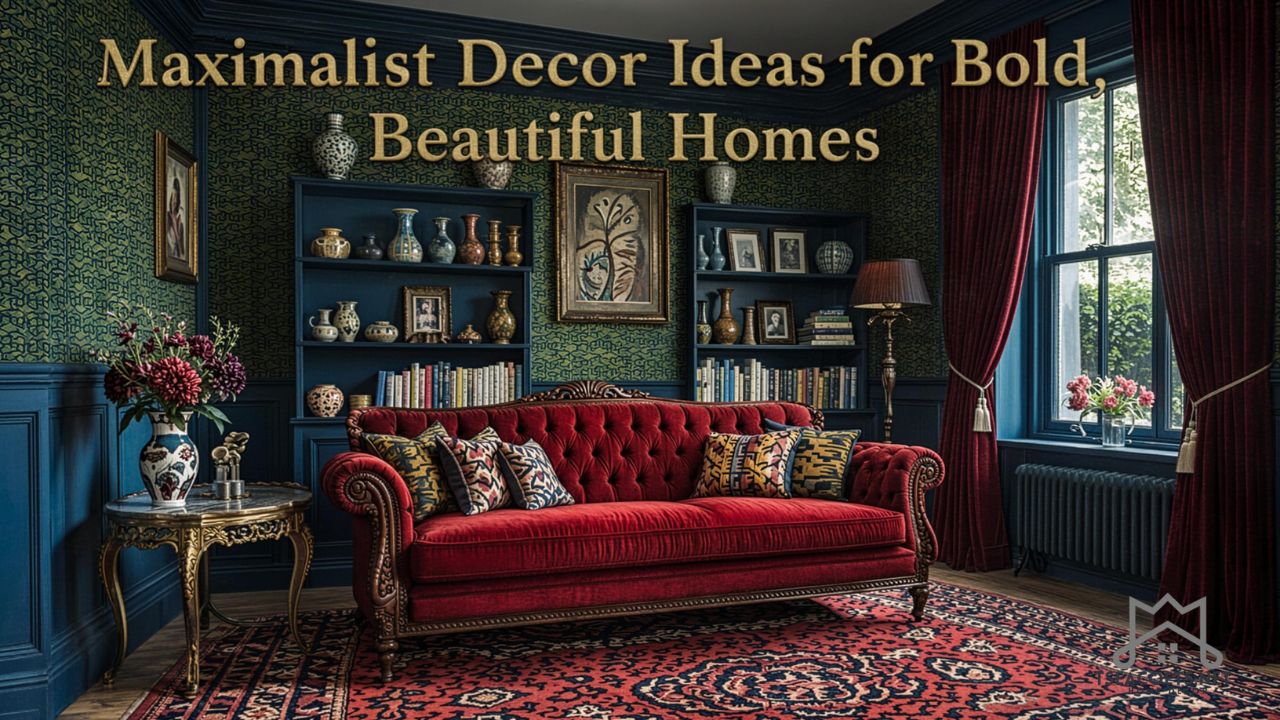
Maximalist rooms make people feel something right away. They are rich, expressive, layered, and impossible to forget. Maximalist decor is not about filling a room with random things. It is about building a home that looks lived-in, collected, and deeply personal.
For many people, that idea feels refreshing. Clean, sparse rooms can be beautiful, but they do not always feel warm or reflective of real life. A more layered style gives you permission to mix colors, art, books, textiles, heirlooms, and pieces you genuinely love. That is why so many homeowners are moving toward maximalist decor when they want a space with energy and heart.
The appeal is simple. A home should not look like a showroom unless that is truly your taste. It should tell your story. It should reveal what you collect, what you value, and what makes you feel comfortable. When done well, maximalist decor feels curated rather than chaotic.
This guide breaks down how to use the style in a way that feels polished, welcoming, and practical. You will learn how to choose colors, layer patterns, mix furniture, style shelves, and bring this look into every room without making it feel crowded.
What Is Maximalist Decor?
At its core, maximalist decor is a layered interior style built around abundance, personality, contrast, and visual interest. It celebrates collected objects, bold color combinations, varied textures, meaningful art, and a strong point of view.
That does not mean every surface must be packed. Real maximalism still relies on intention. The difference is that the room feels expressive instead of restrained. You might see a floral wallpaper beside a striped chair, a marble lamp on a lacquered table, and a stack of design books beneath a gilded mirror. In a thoughtfully styled room, those details work together because there is rhythm behind them.
In reality, maximalism is less about “more stuff” and more about “more identity.” It favors rooms that look assembled over time rather than copied from a catalog. It values charm, memory, contrast, and mood.
Maximalism vs minimalism
Minimalism tends to focus on open space, limited colors, clean lines, and fewer visible objects. Maximalism leans into richness, layered styling, decorative detail, and a broader mix of shapes and finishes.
Neither style is better. They simply create different emotional effects.
A minimalist room often feels calm and airy.
A maximalist room often feels warm, dramatic, intimate, and full of life.
That said, the best interiors often borrow from both. Even a bold room still needs structure. Even a quiet room still benefits from personality.
Why maximalist decor feels personal
This style naturally invites storytelling. A room can hold travel finds, inherited furniture, flea market art, handmade ceramics, patterned cushions, and books you actually read. That mix creates emotional texture, not just visual texture.
Think of a well-styled maximalist home like a great dinner party. There is variety, energy, conversation, and surprise, but there is still a host guiding the mood. Without that guidance, the result turns messy. With it, the room feels memorable.
Core Elements of a Well-Styled Maximalist Space
A strong maximalist interior usually contains a few repeated ingredients. The exact mix will vary, but the framework stays surprisingly consistent.
1. Bold color choices
Rich jewel tones, earthy shades, moody neutrals, or bright unexpected combinations all work. The common thread is confidence. Walls, upholstery, rugs, and accessories all contribute to a room that feels layered and intentional.
2. Repetition and rhythm
This is what separates design from clutter. A room may contain many objects, but repeated colors, shapes, finishes, or themes create cohesion. For example:
- Brass details repeated in mirrors, lamps, and hardware
- A blue tone appearing in art, cushions, and ceramics
- Curved forms echoed in chairs, side tables, and vases
3. Mixed patterns
Stripes, florals, checks, geometric prints, and abstract motifs can live together beautifully when scale and color are managed well.
4. Collected objects
Books, framed art, trays, sculptures, bowls, candlesticks, and vintage finds help a room feel layered and human.
5. Texture everywhere
Velvet, linen, wood, marble, cane, wool, glass, lacquer, and metal bring richness even before color enters the picture.
6. Statement moments
A gallery wall, oversized lamp, dramatic wallpaper, painted ceiling, or sculptural sofa gives the eye somewhere to land.
How to Build a Maximalist Decor Color Palette
Color often makes or breaks maximalism. People assume they need ten loud shades in one room. They do not. In fact, the smartest approach is to build a strong palette first and then layer within it.
Start with one anchor color
Choose one dominant shade that sets the mood. This could be:
- Deep green for a rich library feel
- Rust or terracotta for warmth
- Navy for drama
- Plum for depth
- Mustard for vintage energy
- Cream for a softer take on maximalism
Once that anchor is set, add supporting tones. A useful formula is:
- 1 dominant color
- 2 supporting colors
- 1 accent metallic or wood tone
- 1 neutral to balance everything
Use undertones to keep the room connected
Warm colors tend to play better with other warm colors. Cool shades tend to feel more consistent when grouped together. You can break this rule, but doing so with awareness matters.
For example, a room with oxblood, olive, walnut, and antique brass feels grounded because the warmth runs through each element. A room with cobalt, silver, black, and crisp white feels sharper and cooler.
Let the walls do more work
One of the easiest ways to make maximalism feel polished is to treat the walls as part of the design, not just the background.
You can try:
- Painted walls in saturated tones
- Patterned wallpaper
- Picture frame molding in bold paint
- Full gallery walls
- Layered art leaning on shelves and consoles
[Image: A wall styling example showing art layering, painted trim, patterned wallpaper, and brass lighting]
Choose contrast with purpose
Contrast is healthy in a layered room. It keeps the eye moving. But random contrast can feel noisy.
A better approach is to pair:
- Dark woods with glossy finishes
- Soft textiles with hard metals
- Vintage silhouettes with modern art
- Large prints with smaller patterns
- Matte surfaces with reflective accents
Pattern Mixing Without Visual Chaos
Pattern is one of the great pleasures of maximalism, but it is also where many rooms go wrong. The trick is not to avoid pattern. The trick is to control it.
Follow the large-medium-small rule
A reliable method is to combine:
- One large-scale pattern
- One medium-scale pattern
- One small or subtle pattern
For example, you might pair a large floral curtain, a striped armchair, and a small geometric cushion. The variety keeps the room lively while the scale difference prevents visual competition.
Keep at least one color in common
Patterns feel easier to mix when they share a visual link. That link can be navy, blush, olive, cream, black, or any repeating shade that appears across textiles or art.
Break up pattern with solids
A patterned rug, printed drapes, and floral pillows can look wonderful, but they need solid-color upholstery or simple wall space to breathe. In other words, every room needs moments of rest.
Use stripes as a bridge
Stripes are surprisingly flexible. They can calm florals, sharpen abstract prints, and connect traditional and modern pieces. That is why designers use them so often in layered rooms.
Trust texture when pattern feels risky
If print-on-print makes you nervous, build visual depth through material instead. Velvet, boucle, linen, rattan, wool, leather, marble, and wood grain can create a maximalist look without relying on heavy pattern.
Furniture, Textures, and Materials That Add Depth
Great maximalist rooms rarely come from buying one matching furniture set. They usually grow through contrast and layering.
Mix furniture styles
Try blending pieces from different eras and styles:
- A classic rolled-arm chair with a modern coffee table
- A mid-century console beneath antique art
- A sleek bed beside ornate lamps
- A farmhouse table with sculptural dining chairs
This kind of contrast makes a room feel collected rather than staged.
Prioritize shape, not just color
Curved chairs, pleated lampshades, carved wood tables, skirted benches, fluted cabinets, and oversized headboards all add dimension. Even in a neutral palette, interesting shapes keep the room alive.
Bring in tactile surfaces
Texture is one reason maximalist spaces feel cozy instead of overwhelming. Useful materials include:
- Velvet for softness and light play
- Linen for relaxed contrast
- Leather for grounding
- Wood for warmth
- Glass for brightness
- Stone for weight
- Brass for glow
- Fringe or trim for movement
Layer lighting
A single overhead light rarely flatters a rich room. Use lighting in layers:
- Ceiling fixture for general light
- Table lamps for pools of warmth
- Wall sconces for character
- Floor lamps for corners and reading areas
- Candles for mood
Designers often note that layered lighting can change the feeling of a room more than almost any accessory. A colorful room under flat, harsh light may feel chaotic. The same room under warm pools of light feels intimate and refined.
Maximalist Decor Room by Room
A whole-house approach works best when each room has its own mood but still belongs to the same home. This is where maximalist decor becomes exciting because every space can express a different part of your style.
Maximalist Decor in the living room
The living room is often the easiest place to begin because it naturally holds many layers already.
What to include
- A statement rug
- Layered throw pillows in mixed fabrics
- Art in different frame styles
- Books, trays, and decorative objects on the coffee table
- Floor-length curtains
- One dramatic accent chair or sofa
- Lamps at varied heights
A real-life example
Imagine a room with olive walls, a rust velvet sofa, striped drapes, a vintage wood cabinet, abstract art, and brass lighting. On paper, that sounds like a lot. In practice, it works because the palette stays warm and the materials repeat a sense of depth.
Styling tip
Do not spread everything evenly. Group objects in clusters. Let one side of the room feel slightly richer if that is where the focal point lives. Perfect symmetry can flatten a layered interior.
Maximalist decor in the bedroom
The bedroom should still feel restful, but restful does not have to mean boring. In fact, a layered bedroom often feels more comforting because it has softness, color, and intimacy.
Best ways to use the style
- Upholstered or dramatic headboards
- Layered bedding in several tones
- Wallpaper behind the bed
- Matching bedside lamps with contrast elsewhere
- Artwork above dressers and nightstands
- Patterned curtains or a bold area rug
Keep the mood calm
Even if the room is visually rich, use softer lighting and tactile materials. This is one place where dusty rose, aubergine, camel, moss, cream, chocolate, and muted blue often work beautifully.
Maximalist decor in the dining room
Dining rooms are perfect for a more dramatic approach because they are designed for gathering, celebration, and conversation.
Strong ideas for this space
- Moody paint or wallpaper
- Mixed dining chairs
- A bold chandelier
- Vintage mirrors
- Large-scale art
- Patterned seat cushions
- Colored glassware or ceramics on display
A layered dining room can feel luxurious without being formal. It can also turn ordinary dinners into something more atmospheric.
Maximalist decor in the kitchen
Kitchens may seem harder because they are functional, but there are still many ways to add richness.
Try these ideas
- Open shelving with curated dishes and glassware
- Bold backsplash tile
- Brass or aged bronze hardware
- Decorative runner rugs
- Colored cabinets or island paint
- Framed art in unexpected corners
- Antique stools or pendant lights
The goal is not to crowd work surfaces. The goal is to give the kitchen warmth and individuality.
Maximalist decor in the bathroom
Bathrooms can handle strong design surprisingly well because they are compact. Pattern, color, and contrast often feel more dramatic in smaller rooms.
Easy upgrades
- Wallpaper
- Framed art
- Patterned towels
- Decorative sconces
- Painted vanity
- Mixed metals used intentionally
- Small stool or side table for layering
A powder room is especially good for experimentation. If you have wanted to try a bolder wallpaper or a darker paint color, this is often the safest place to start.
Common Mistakes and How to Avoid Them
This style is expressive, but it still benefits from discipline. Most design mistakes happen when people add before they define.
Mistake 1: Buying without a plan
Impulse buys are part of the fun, but too many unrelated pieces can make the room feel confused. Before shopping, define:
- Your main mood
- Your anchor colors
- Your dominant materials
- Your balance between vintage and modern
Mistake 2: Ignoring negative space
Maximalism is not the absence of breathing room. A packed shelf looks better beside a cleaner wall. A dramatic sofa looks stronger when it has room around it.
Mistake 3: Using too many competing focal points
A patterned rug, loud wallpaper, oversized art, neon lamp, and sculptural sofa can work together, but not all at once in equal visual volume. Decide what leads and what supports.
Mistake 4: Matching everything too closely
Oddly enough, being too coordinated can make a maximalist room look flat. The charm comes from contrast and collected character.
Mistake 5: Keeping only decorative objects
Books, trays, bowls, plants, and personal items give the room humanity. A space filled only with decorative accessories can feel staged instead of lived in.
Budget-Friendly Ways to Get the Look
One reason people love this style is that it does not require buying everything new. In fact, maximalism often looks better when it includes age, patina, and surprise.
Shop secondhand first
Thrift stores, estate sales, flea markets, antique shops, and online resale platforms are excellent for:
- Lamps
- Frames
- Side tables
- Mirrors
- Ceramics
- Small art
- Trays and boxes
Older pieces often have more detail than mass-produced ones, which suits this style beautifully.
Refresh what you already own
Before replacing furniture, consider:
- Repainting a side table
- Recovering dining chair seats
- Swapping hardware
- Styling books by color or theme
- Rearranging art into a gallery wall
- Adding trim, tassels, or fringe to textiles
Use paint for high impact
Paint is still one of the least expensive ways to transform a room. Walls, ceilings, doors, shelving, furniture, and trim can all carry color.
Build slowly
The best layered interiors rarely happen in one weekend. They grow with time. That is actually an advantage. It means you can collect with intention instead of panic-buying pieces that do not last.
How to Edit a Maximalist Room So It Still Feels Elegant
Editing matters just as much as styling. A beautiful layered room is rarely accidental.
Ask three simple questions
When you look at a shelf, corner, or tabletop, ask:
- Does this area have a clear focal point?
- Are the colors repeating in a useful way?
- Is there enough contrast in height, texture, and shape?
If the answer is no, the room may need rearranging, not more shopping.
Group objects in odd numbers
Designers often group items in threes or fives because the arrangement feels more natural. A lamp, a stack of books, and a ceramic object usually look better together than four unrelated pieces lined up.
Vary height and silhouette
A common styling mistake is placing objects of equal height side by side. Instead, combine tall, medium, and low pieces for movement.
Step back and remove one thing
On the other hand, the fastest way to improve a crowded space is often to remove one item from each zone. Editing gives the eye relief and helps the best pieces stand out.
Is Maximalism Just a Trend?
Not really. The word may feel trendy right now, but layered interiors have existed for centuries. Victorian rooms, bohemian homes, classic English interiors, and many global design traditions have long embraced ornament, color, pattern, and collected beauty.
What changes over time is the interpretation. Today’s version of maximalist decor often mixes vintage pieces, modern art, personal objects, and bolder color confidence in a way that feels more relaxed than old formal interiors.
That is one reason the look keeps returning. It answers a deeply human desire: the desire for home to feel personal, comforting, and full of memory.
FAQ
What is maximalist decor in simple terms?
It is a decorating style that embraces color, layers, pattern, texture, art, and personal collections. The finished space feels expressive and curated rather than bare.
How do I start with maximalist decor if I feel nervous?
Start small. Choose one room or even one corner. Add a stronger color, layered textiles, better lighting, and grouped objects before moving into wallpaper or larger furniture changes.
Can maximalist decor still look elegant?
Yes. Elegance comes from cohesion, editing, and quality of arrangement. A layered room can feel refined when color, scale, and focal points are handled well.
Does this style only work in large homes?
No. Small homes and apartments can look beautiful with maximalism. In compact spaces, editing becomes even more important, but bold color and layered styling can make a room feel richer, not smaller.
What colors work best for maximalist decor?
There is no single rule. Jewel tones, earthy shades, rich neutrals, and warm muted colors all work. The best palette is one that repeats thoughtfully across the room.
How do I stop a room from looking cluttered?
Use repetition, create focal points, vary scale, and leave breathing room. Not every shelf, wall, or surface needs equal visual weight.
Can I mix modern and vintage furniture?
Absolutely. That mix often gives the room its best character. The contrast makes the space feel collected and authentic.
Is wallpaper necessary for maximalism?
No. Wallpaper helps, but it is not required. You can create the same richness with art, paint, textiles, books, lighting, and layered accessories.
Conclusion
A memorable home usually says something about the person living in it. That is the real magic of maximalist decor. It invites depth, emotion, contrast, and individuality into a space that might otherwise feel flat or forgettable.
The best rooms are not packed for the sake of being packed. They are layered with intention. They balance color with repetition, pattern with breathing room, and beauty with meaning. Whether you begin with one painted wall, a dramatic rug, or a shelf full of books and collected objects, the point is the same: build a home that feels unmistakably yours.
When you approach it with confidence and restraint in the right places, maximalist decor becomes more than a design trend. It becomes a way of making a house feel alive.