
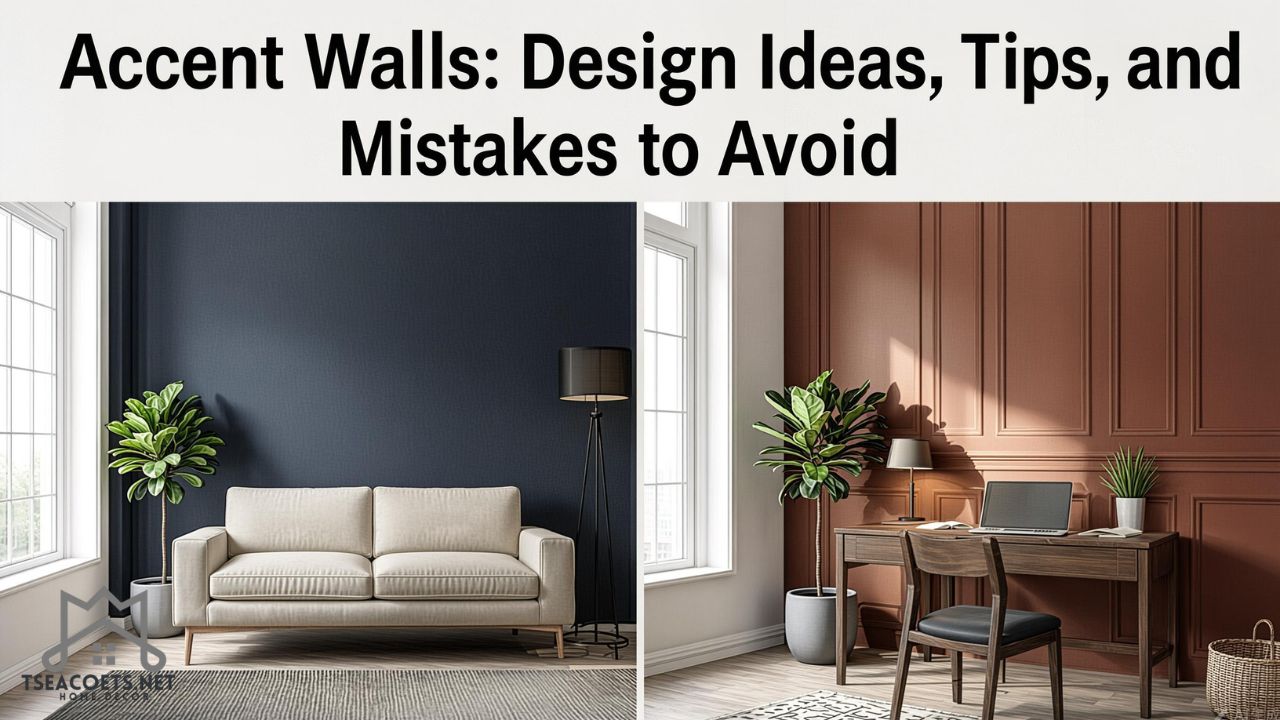
Accent walls can change the entire mood of a room faster than almost any other design choice. A single wall, done well, can make a bland space feel polished, cozy, dramatic, or expensive without forcing you into a full renovation.
A lot of homeowners love accent walls because they offer something rare in decorating: big visual impact without a massive budget. Whether you live in a studio apartment, a family home, or a rental you are trying to personalize, the right wall treatment can add character in a way furniture alone often cannot.
The reason this topic matters is simple. People are tired of rooms that feel flat, forgettable, or copied from a catalog. They want spaces that feel personal. And when done with care, accent walls help create that feeling. They guide the eye, frame the focal point, and add depth where a room feels empty.
That said, not every bold wall works. Some make the room feel smaller. Others clash with lighting, furniture, or architecture. This guide breaks down what accent walls are, where they work best, which materials to choose, and how to make them look intentional rather than random.
What Accent Walls Are and Why They Work
Accent walls are single walls designed to stand out from the rest of the room through color, texture, pattern, material, or architectural detail. Instead of treating every wall the same, you highlight one area to create focus and contrast.
From a design psychology point of view, this works because the human eye naturally looks for variation. A room with four identical walls can feel calm, but it can also feel dull. A contrasting wall gives the space a visual anchor. In reality, that anchor can influence how large a room feels, where attention goes, and even how expensive the space appears.
Think about a bedroom with a dark wall behind the bed, a dining room with textured wallpaper, or a living room with vertical wood slats behind the TV. The furniture may be ordinary, but the room suddenly feels layered and designed. That is the real power of accent walls. They create structure without adding clutter.
There is also a practical reason people use them. Painting one wall costs less than repainting an entire room. Installing decorative panels on a single wall is more manageable than doing every surface. For homeowners who want change without the exhaustion of a full makeover, that makes this approach especially appealing.
Why Homeowners Still Love Accent Walls
Trends come and go, but accent walls keep returning because they solve real design problems. They are not just a social media trend. They are a flexible tool.
First, they break visual monotony. Large empty rooms can feel cold and unfinished. A feature wall adds rhythm and balance.
Second, they help define purpose. In open-plan homes, one wall can visually separate the dining zone from the living area without building anything permanent.
Third, they support storytelling. A deep green wall can feel calm and grounded. A limewash finish can feel earthy and handmade. A geometric mural can feel youthful and expressive. In other words, the wall becomes part of the personality of the room.
On the other hand, people sometimes assume accent walls are only for dramatic modern homes. That is not true. Farmhouse interiors, traditional homes, Scandinavian spaces, boho rooms, minimalist apartments, and luxury contemporary homes can all use them in different ways. The method changes, but the principle stays the same.
A soft taupe wall with molding in a classic home is still an accent wall. So is a charcoal-painted media wall in a modern apartment. The style depends on the house, not on a fixed formula.
How to Choose the Right Wall
Choosing the right wall matters more than choosing the paint color. Even a beautiful finish can look awkward if it is placed on the wrong surface.
Start with the room’s natural focal point
The best wall is usually the one your eye lands on first when entering the room. In a bedroom, that is often the wall behind the bed. In a living room, it may be the fireplace wall, the TV wall, or the wall behind the main sofa. In a dining room, it may be the wall framing the table.
If a room already has a built-in focal point, work with it rather than fighting it. That creates a sense of order.
Look at architecture first
Doors, windows, sloped ceilings, alcoves, and built-ins all affect the result. A large uninterrupted wall is usually easier to highlight than a fragmented wall with too many openings. However, a wall with beautiful symmetry can also work incredibly well, especially when paired with molding or wallpaper.
Consider furniture placement
A wall should not feel random after the furniture is arranged. For example, if you create a bold statement wall in the corner no one really sees, the room may still feel flat. The most successful accent walls connect with how the room is actually used.
Ask what problem you are trying to solve
Different walls solve different issues:
- A dark back wall can add depth to a long, narrow room
- A textured wall can make a plain room feel richer
- A wallpapered wall can soften a boxy space
- A vertical panel wall can make ceilings feel taller
This question saves people from decorating for the sake of decorating.
Best Colors for Accent Walls
Color is where most people start, and for good reason. Paint is one of the easiest and most affordable ways to create accent walls. Still, the right color is not always the boldest one.
Dark shades for drama and depth
Deep navy, charcoal, forest green, espresso brown, and black can look stunning when the room has enough light. These shades create contrast and sophistication. They are especially effective in bedrooms, dining rooms, and media spaces where a moody feel is welcome.
However, dark colors are not automatically risky. In many cases, they actually make a wall recede, which can add visual depth rather than shrink the room.
Soft colors for a subtle statement
Muted sage, dusty blue, warm taupe, blush clay, and greige work well when you want character without a loud contrast. These shades are especially useful in homes where the overall palette is calm and cohesive.
A subtle accent wall often ages better because it feels integrated with the rest of the room.
Warm vs cool tones
Warm tones like terracotta, olive, camel, and muted rust create comfort and softness. Cool tones like slate blue, smoky gray, and blue-green feel crisp and calm. Your existing flooring, furniture, and natural light should guide the choice.
North-facing rooms often benefit from warmer shades because cool light can make colors feel flat or icy. Sun-filled rooms can usually handle deeper and cooler tones more easily.
Neutrals can still be accent walls
Many people think the wall has to be bright or dark to count. Not at all. A textured beige plaster wall, a mushroom-gray panel wall, or a wallpaper with a subtle linen pattern can create a beautiful statement without overwhelming the room.
That is often the smartest move in homes where long-term flexibility matters.
Popular Materials and Finishes for Accent Walls
Paint is just the beginning. Today’s accent walls can be created with many materials, and each brings a different emotional effect.
Paint
Paint remains the simplest option. It is affordable, widely available, and easy to refresh later. Matte finishes feel soft and modern, while eggshell can be easier to clean in family homes.
Wallpaper
Wallpaper has made a huge comeback. Botanical prints, grasscloth textures, stripes, murals, and abstract patterns can instantly transform a room. Peel-and-stick versions are also popular for renters.
The best wallpaper does not just add pattern. It adds atmosphere. A soft landscape mural can make a bedroom feel serene. A bold geometric print can energize a hallway.
Wood slats and paneling
Wood slats bring warmth and a custom-built feel. Vertical slats can make the room feel taller. Horizontal designs can widen the visual field. Traditional board and batten, shaker molding, beadboard, and picture-frame molding also remain popular because they add architecture to plain drywall.
Stone, brick, and concrete-look finishes
These materials create texture and weight. A faux-brick wall can add urban character. Stone veneer can make a fireplace area feel grounded. Limewash and concrete-style finishes are especially loved in modern organic interiors because they feel soft, imperfect, and natural.
Tile
Tile accent walls are common in bathrooms, kitchens, and around fireplaces. Zellige-style tile, subway tile, marble-look tile, and patterned cement tile can add shine, texture, and durability.
Fabric and upholstered panels
Less common but very effective, upholstered walls can add softness, luxury, and sound absorption. They work particularly well behind beds or in media rooms.
| Material | Best For | Look and Feel | Budget Range | Difficulty |
|---|---|---|---|---|
| Paint | Any room | Clean, flexible, simple | Low | Easy |
| Wallpaper | Bedrooms, dining rooms, powder rooms | Patterned, decorative, polished | Low to medium | Medium |
| Wood slats | Living rooms, bedrooms, offices | Warm, modern, custom | Medium | Medium |
| Molding/paneling | Bedrooms, hallways, dining rooms | Classic, elegant, architectural | Medium | Medium |
| Stone/brick veneer | Fireplaces, living rooms | Textured, bold, grounded | Medium to high | Hard |
| Tile | Bathrooms, kitchens | Durable, crisp, refined | Medium to high | Hard |
Accent Walls by Room
Living room accent walls
The living room is where accent walls often make the biggest impression because it is the most public space in the home. The wall behind the sofa is a common choice, but so is the TV wall or fireplace wall.
For modern living rooms, deep paint tones, slatted wood, or limewash finishes work beautifully. In more traditional spaces, molding with a soft paint contrast can look timeless.
If the room already has lots of furniture, artwork, and open shelving, keep the wall treatment quieter. If the room feels sparse, you can be more expressive.
Bedroom accent walls
Bedrooms are one of the easiest places to use accent walls well. The wall behind the bed feels natural because the headboard already acts as a visual center.
This is a great place for darker paint, wallpaper, upholstered panels, or decorative molding. Soft, cocooning tones tend to work especially well in bedrooms because they support rest and comfort.
In smaller bedrooms, a subtle contrast often looks more elegant than an extremely bold one.
Dining room accent walls
Dining rooms can handle more drama because people spend shorter bursts of time there compared with living rooms or bedrooms. Rich paint colors, mural wallpaper, or textured finishes often look stunning here.
A well-designed dining wall can make even simple furniture feel more elevated. Candles, sconces, and artwork become more striking against a carefully chosen background.
Kitchen accent walls
In kitchens, accent walls need to be practical. Tile, washable paint, shiplap, or brick-style surfaces are common choices. Breakfast nooks and dining corners are great opportunities for color and character.
That said, kitchens already have cabinets, counters, backsplashes, and appliances. So the wall should support the room, not compete with it.
Bathroom accent walls
Bathrooms are small, which makes them perfect for experimentation. A vanity wall with dramatic wallpaper or tile can feel memorable without requiring much material.
Powder rooms are especially forgiving because they are compact and separate from the rest of the house. People often use them to try something bolder than they would in a main living space.
Home office accent walls
A home office needs enough personality to feel inspiring but not so much stimulation that it becomes distracting. Soft green, muted blue, wood texture, or subtle patterned wallpaper can help create a focused, grounded environment.
For video calls, the wall behind the desk also matters. It becomes part of your visual presence.
How Lighting Changes the Result
Lighting can make or break accent walls. The exact same color may look elegant in one room and muddy in another.
Natural light changes throughout the day. Morning light is cooler and softer. Late afternoon light is warmer and richer. Artificial lighting adds another layer. Warm bulbs can soften bold shades, while cool bulbs can make them feel harsher.
This is why sample testing matters so much. Paint swatches should be viewed in daylight, evening light, and lamp light before making a final decision.
Texture responds to light in an even more dramatic way. Limewash, grasscloth wallpaper, molding, and slatted wood all create shadows. Those shadows are part of the design. In low light, texture can feel moody and sophisticated. In harsh overhead light, it can feel overly busy.
A smart rule is this: the more texture you use, the more carefully you should think about lighting. Wall sconces, picture lights, and floor lamps can help the feature look intentional and flattering.
Common Mistakes to Avoid
People often blame accent walls when the real issue is poor planning. Here are the mistakes that show up again and again.
Choosing a wall at random
This is the biggest one. If the wall does not connect to the room’s layout or focal point, it can feel misplaced.
Going too bold too fast
A neon color or an intense pattern may feel exciting in the moment but exhausting later. In reality, timeless usually wins over trendy shock value.
Ignoring undertones
Gray paint with blue undertones can clash with warm wood floors. Beige wallpaper may look pink under certain bulbs. These subtle mismatches are what make rooms feel off.
Forgetting about the ceiling and trim
A beautiful wall can still look incomplete if the trim color fights with it or the ceiling makes the contrast feel awkward. Sometimes updating trim, molding, or ceiling color brings everything together.
Overdecorating the feature wall
If the wall itself is dramatic, it does not need too much extra artwork or shelving. Let it breathe. Too many layers can turn impact into clutter.
Copying a trend without considering the house
What looks incredible in a bright modern loft may look strange in a dim traditional home. The best accent walls fit the architecture, not just the trend cycle.
Budget-Friendly Ways to Create Accent Walls
Good design does not have to be expensive. Some of the most effective accent walls are surprisingly affordable.
Paint with intention
A gallon of quality paint can do a lot. To make it look more elevated, choose a color with depth rather than something flat and obvious. Prep the wall properly and use crisp edging.
Use peel-and-stick wallpaper
This option is especially good for renters or anyone who likes to refresh their space often. Quality varies, so sample first, but the visual payoff can be strong for a modest cost.
Create molding with trim pieces
Picture-frame molding, board and batten, or grid designs can be built with basic trim and paint. They look custom but often cost far less than people expect.
Try DIY wood slats
Pre-cut slats or simple battens can create a clean vertical design with patience and accurate spacing. Painted in one color, the result can feel expensive and calm.
Use stencils or paint techniques
A stencil pattern, color blocking, or faux limewash technique can add depth without premium materials. These approaches take time, but they can create a more personalized finish.
Styling Tips That Make the Wall Look Finished
An accent wall alone is not always enough. The styling around it decides whether the room feels complete.
Repeat the wall color elsewhere
A cushion, throw, vase, rug detail, or artwork can echo the accent color and make the room feel cohesive. Without this step, the wall can feel isolated.
Balance boldness with calm
If one wall is dramatic, keep nearby furniture and accessories a bit quieter. This contrast gives the eye somewhere to rest.
Use scale wisely
Small art on a large wall often looks lost. A bold wall usually needs either no artwork at all or fewer, larger pieces.
Think in layers
Texture on the wall pairs beautifully with softer textures in the room such as linen curtains, boucle chairs, wood furniture, or woven baskets. This is how spaces start to feel collected rather than staged.
Let architecture lead
If the wall includes molding, slats, or tile, avoid covering too much of it. The material itself may already be the decor.
When Accent Walls Are Not the Right Choice
It is worth saying this clearly: not every room needs one.
Sometimes a room already has enough going on through art, furniture, built-ins, or stunning windows. Adding another feature may create noise instead of beauty.
Similarly, tiny cluttered rooms with awkward layouts may benefit more from decluttering, better lighting, and improved furniture placement than from a decorative wall treatment.
In some homes, painting the entire room one rich color actually works better than creating contrast. Color drenching, where walls, trim, and sometimes the ceiling are painted the same tone, has become popular for exactly this reason. It can feel immersive, sophisticated, and calm.
So while accent walls are powerful, they are not mandatory. They are a tool, not a rule.
How to Decide Which Accent Wall Style Fits Your Home
A helpful way to decide is to match the wall style to the mood you want.
If you want calm and softness, choose muted paint, limewash, or subtle wallpaper.
If you want warmth and texture, choose wood slats, paneling, or grasscloth.
If you want luxury, choose molding, stone, or a rich matte paint in a deep tone.
If you want energy and personality, choose graphic wallpaper, a mural, or a stronger color contrast.
You should also think about how long you plan to live with it. Trend-driven choices may feel exciting now but tiring later. A more layered and restrained approach often lasts longer.
The best design choice is usually the one that makes the whole room feel better, not just the wall.
FAQ
Are accent walls still in style?
Yes, accent walls are still in style, but the approach has evolved. Instead of one bright painted wall for the sake of contrast, today’s versions often use texture, molding, wood, wallpaper, or earthy paint tones that feel more integrated and sophisticated.
Which wall should be the accent wall in a room?
The best choice is usually the room’s natural focal point. This may be the wall behind the bed, sofa, fireplace, vanity, or dining table. A wall that already draws attention usually creates the most balanced result.
Do accent walls make a room look bigger or smaller?
They can do either, depending on the color, placement, and lighting. Dark tones on the far wall can add depth, while overly harsh contrast in the wrong place can make a room feel choppy or smaller.
What colors work best for accent walls?
Deep blue, green, charcoal, taupe, greige, clay, and soft earthy shades are popular because they add depth without feeling too loud. The best color depends on your light, flooring, furniture, and overall style.
Are wallpaper accent walls a good idea?
Yes, especially in bedrooms, dining rooms, powder rooms, and entryways. Wallpaper can add pattern and personality faster than paint, but it works best when the print suits the scale and mood of the room.
Can I do accent walls in small rooms?
Absolutely. In fact, small rooms often benefit from them. The trick is choosing the right wall and avoiding overly chaotic patterns or colors that fight the room’s proportions.
Are accent walls good for renters?
Yes. Peel-and-stick wallpaper, removable wall decals, renter-friendly panel options, and even temporary paint solutions can help renters personalize a room without permanent changes.
Should accent walls match furniture?
They do not need to match exactly, but they should relate to the room. Repeating one or two tones from the wall in pillows, rugs, art, or decor helps the whole space feel intentional.
Conclusion
Accent walls work best when they are treated as part of the room’s story, not just a quick decorating trick. The right one can add warmth, depth, personality, and balance in a way that feels effortless. The wrong one can feel forced. That difference usually comes down to choosing the right wall, the right material, and the right level of contrast for your home. If you approach them with purpose instead of impulse, accent walls can be one of the smartest and most satisfying upgrades you make.