
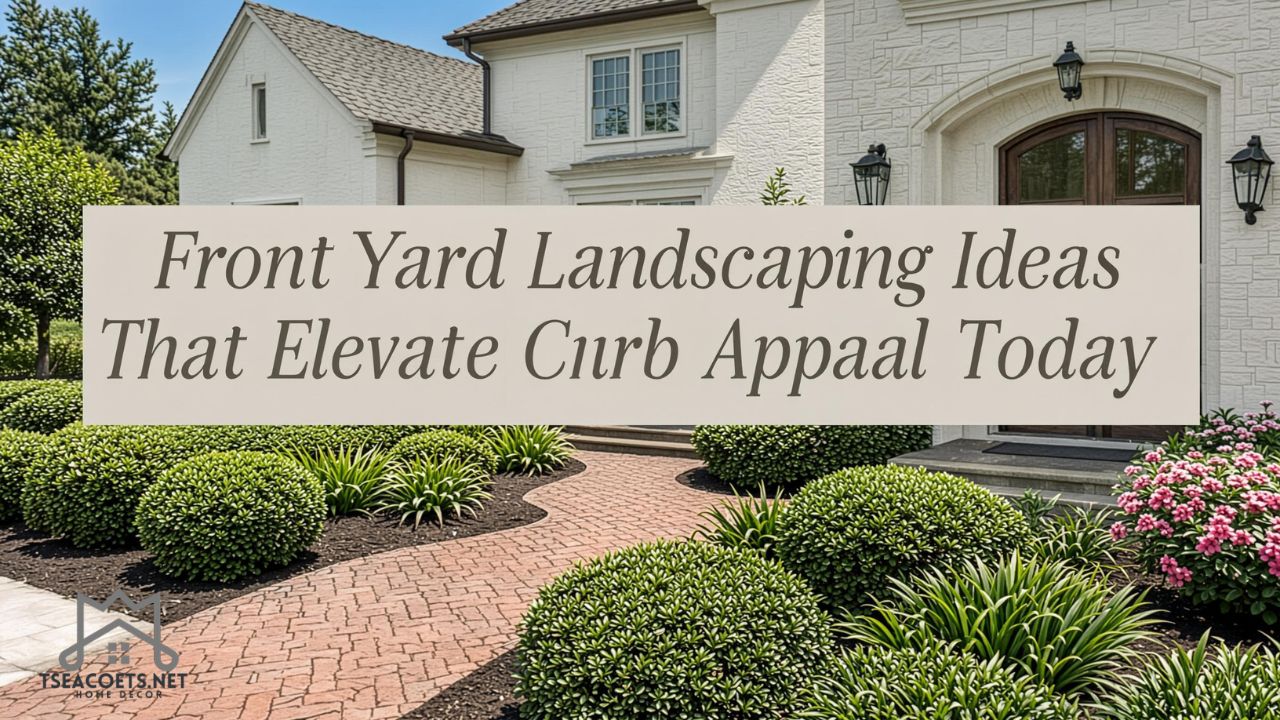
The first few feet in front of your house say a lot before anyone ever knocks on the door. They can feel warm, polished, and welcoming, or they can feel flat, crowded, and forgotten. That is why front yard landscaping ideas matter so much. They shape first impressions, frame your home, and make daily life feel a little better every time you pull into the driveway.
A good front yard is not only about flowers or a green lawn. It is about balance, function, and mood. The best designs make your entrance easier to use, guide the eye naturally, and fit the style of your home without looking forced. In reality, even a small change like fresh edging, a cleaner walkway, or layered planting can make the whole property look more expensive.
After the second paragraph, it also helps to think visually. A front yard should be attractive from the street, practical in every season, and realistic for your budget and climate. The smartest plans do not chase every trend. They work with your space, your maintenance habits, and the amount of water your yard really needs.
Why front yard design matters
The front yard acts like a visual handshake. It connects the street to your home and helps people understand where to look, where to walk, and what kind of home they are approaching. A thoughtful landscape also improves usability. It can define the route to the front door, soften harsh architecture, and make outdoor spaces feel more settled and complete.
There is also a financial angle. Industry research often shows that attractive landscaping can support home value and make properties more appealing to buyers. One National Association of Landscape Professionals summary cites research showing well-designed landscaping may raise property value by 15 to 20 percent in some cases.
That does not mean you need a luxury makeover. It means good design pays attention to proportion, plant health, maintenance, and curb appeal. A yard that looks intentional usually feels more valuable than one packed with random features.
How to plan before you plant
Start with your home’s architecture
A brick colonial, a modern farmhouse, and a compact bungalow do not need the same treatment. Your landscaping should echo the lines, scale, and mood of the house. Straight paths and clipped shrubs often suit formal homes. Looser planting beds and mixed textures work beautifully with cottage or craftsman styles.
One simple rule helps: let the house lead. If the architecture is bold and symmetrical, the yard can stay clean and structured. If the exterior is soft and relaxed, the landscape can feel more layered and natural.
Study sun, shade, drainage, and wind
Many front yard failures happen before the plants even go into the soil. A beautiful shrub placed in the wrong light will never look right. A bed that traps water near the foundation can become a long-term headache. Walk outside at different times of day. Notice where the hottest sun falls, where puddles collect, and which corners dry out fastest.
The USDA Plant Hardiness Zone Map remains the standard guide for understanding which perennial plants are most likely to survive winter in a given location, and the 2023 update keeps that tool current for gardeners planning long-term plantings.
Decide how much maintenance you can really handle
Be honest here. Many people love the idea of a lush, layered garden, then resent it by midsummer. If you enjoy trimming, feeding, and swapping seasonal color, build around that. If not, choose shrubs, ornamental grasses, mulch, and hardy perennials that keep their shape with less effort.
A realistic plan always beats an ambitious one that falls apart after six weeks.
Front yard landscaping ideas for every home style
Use layered foundation planting
One of the most reliable front yard landscaping ideas is layered planting around the front of the house. The formula is simple:
- taller evergreen shrubs near corners
- medium shrubs or flowering plants in the middle
- lower edging plants at the front
This creates depth and softens the hard line between the home and the ground. It also keeps windows, porches, and entry details visible instead of hidden behind oversized bushes.
Frame the walkway like a destination
Your path to the front door should not feel accidental. A walkway becomes more inviting when it is framed with low plants, repeated shapes, or subtle lights. Even a plain concrete path feels better when bordered by neat edging and a few rhythm-based plant groupings.
This is where many strong front yard landscaping ideas succeed. They make the entry feel like a clear destination rather than just an empty stretch of lawn.
Add a focal point that earns attention
Every front yard benefits from one thing the eye can land on. That focal point could be:
- a small ornamental tree
- a large planter by the steps
- a stone address marker
- a bench near the porch
- a water feature in a larger yard
The trick is restraint. One focal point feels elegant. Five competing focal points feel noisy.
Build symmetry when the house needs order
If your house is formal or centered, symmetry can create instant calm. Matching planters, duplicate shrubs, or mirrored beds near the entrance bring structure and make the whole property feel tidy. This does not need to be stiff. Symmetry works even when the planting itself is soft and textured.
Break symmetry when the yard feels too rigid
On the other hand, not every home wants a perfectly balanced look. Some modern or cottage-style exteriors feel better with asymmetrical planting. A slightly off-center ornamental tree, sweeping bed line, or mixed group of shrubs can make the yard feel more relaxed and alive.
Plant choices that make a front yard look better
Choose a plant palette, not random favorites
A common mistake is buying individual plants one by one because they look pretty at the nursery. The result often feels disconnected. Instead, build a limited palette of repeating plants. Repetition gives the eye something to understand. It makes the yard feel designed.
A smart palette usually includes:
- evergreen structure
- seasonal flowers
- one or two textural grasses
- a groundcover or low edging plant
- a small tree, if space allows
Use native and climate-adapted plants
Native and well-adapted plants usually ask for less water and less fuss once established. They are often better suited to local rainfall, heat, soil, and seasonal swings. That matters in front yards, where plant failure is hard to hide.
Water use is another reason this choice matters. EPA WaterSense notes that outdoor water use accounts for more than 30 percent of average household water use and can climb much higher in dry regions. EPA also says up to half of outdoor water can be wasted through evaporation, wind, and runoff from overwatering.
Mix evergreen structure with seasonal interest
A yard that looks good only in spring is disappointing for most of the year. Evergreens give you bones. Flowering plants, bulbs, and deciduous shrubs give you seasonal excitement. Together, they create a front yard that never looks completely empty.
Think of it this way:
- winter needs shape
- spring needs freshness
- summer needs fullness
- fall needs texture and color
Pick one small tree with purpose
A single small tree can transform the entire frontage of a house. It adds height, softens rooflines, and gives the yard maturity. Dogwood, Japanese maple, crepe myrtle, serviceberry, or dwarf magnolia can all work depending on your zone and style.
Place the tree where it helps the composition. Do not block windows or crowd the entry. A tree should anchor the design, not overwhelm it.
Hardscaping details that change everything
Upgrade bed edging
Clean bed lines make even simple planting look better. Crisp edges tell the eye where the lawn ends and the garden begins. Metal edging, brick, natural stone, or a sharp spade-cut edge can all work.
This sounds small, but it is one of those front yard landscaping ideas that makes a house look noticeably more cared for almost overnight.
Rethink the walkway material
Walkways do more than move people from the curb to the porch. They set tone. Brick feels classic. Large pavers feel modern. Gravel with steel edging feels relaxed. Natural stone feels rich and organic.
If replacing the whole path is not in the budget, you can still improve it with wider borders, side planting, or low-voltage lighting.
Use retaining walls where slope becomes a problem
Sloped front yards can be frustrating, but they can also become one of the most attractive features on the property. A low retaining wall creates order and allows planting in terraces instead of fighting gravity. It can also help with erosion and runoff.
Terraced beds look especially strong when each level repeats a few plant types rather than mixing too many things together.
Light the path and the architecture
Lighting is one of the most overlooked upgrades in front yard design. Good lighting:
- improves safety
- highlights texture
- gives the house depth at night
- makes the entrance feel finished
Use path lights sparingly. Add uplighting on one tree or a textured wall. Keep the effect soft. The goal is glow, not glare.
Low-maintenance and water-wise design moves
Replace high-demand lawn areas
A big front lawn can look nice, but it also demands mowing, feeding, edging, and often more water than people expect. EPA says residential outdoor water use across the United States totals nearly 8 billion gallons per day, mainly for landscape irrigation.
That is why many of today’s best front yard landscaping ideas reduce unnecessary turf and replace it with planting beds, groundcovers, mulch zones, gravel gardens, or drought-tolerant borders.
Mulch for a cleaner look and healthier soil
Mulch is practical and visual at the same time. It suppresses weeds, moderates soil temperature, and helps hold moisture. It also makes planting beds look intentional. Dark mulch can make green foliage pop. Pine straw can suit informal southern landscapes. Decorative gravel works in dry climates and modern designs.
Just keep mulch away from direct contact with tree trunks and the base of shrubs.
Use drip irrigation where possible
If you irrigate, direct watering at the root zone instead of spraying everything. Drip systems and efficient irrigation parts can reduce waste. EPA WaterSense notes irrigation water use can be reduced with better systems and practices.
This matters for cost, water use, and plant health. Wet leaves and overspray on hardscape rarely help anything.
Small front yard solutions that still look impressive
Keep the layout simple
Small yards do not need less personality. They need less clutter. Limit the number of materials, plant types, and decorative accents. A compact yard usually looks larger when the design is clear and repeated.
In a small space, try this formula:
- one main path
- one focal element
- two to four core plant varieties
- one consistent mulch or ground surface
Go vertical
When width is limited, use height. A narrow tree, upright shrub, trellis, or tall planter can add interest without eating up valuable ground space. Vertical moves help small homes feel taller and more balanced from the street.
Let negative space do its job
Not every area needs to be filled. A little breathing room makes planting stand out more. Crowding every inch with flowers, statues, rocks, and containers often shrinks the space visually.
Some of the best front yard landscaping ideas look polished precisely because they know when to stop.
Budget-friendly upgrades with strong visual impact
Refresh the mailbox area
A tired mailbox can drag down the whole frontage. Add a simple flower bed, stone border, or low evergreen base around it. Keep plant height practical so the number remains visible and mail delivery stays easy.
Use large planters near the entry
Two well-chosen containers can change the feel of a porch or front step fast. They are also perfect for seasonal color without reworking permanent beds. In spring you can use tulips or petunias. In summer, coleus and grasses. In fall, mums and ornamental cabbage. In winter, evergreen branches or berry stems.
Paint or stain visible landscape elements
Fences, trellises, porch railings, and garden gates often fade into the background in the wrong way. A fresh coat of paint or stain can make the whole yard feel newer without a major investment.
Add one standout detail
Sometimes the whole yard needs just one visual upgrade:
- a modern house number plaque
- a new border around the tree ring
- a better front step planter
- a curved planting bed instead of a straight one
- a small boulder or urn in the right place
These are the kinds of changes homeowners remember because the yard suddenly feels finished.
Mistakes that make a front yard feel cluttered
Planting too close to the house
Small shrubs do not stay small forever. Crowded planting traps moisture, blocks views, and makes maintenance harder. Always plan for mature size, not nursery-pot size.
Using too many colors at once
A rainbow of flowers can sound exciting, but it often looks chaotic in front yards. A tighter color palette usually feels more expensive and easier on the eye.
Ignoring scale
Tiny plants in front of a large two-story house can look weak. Oversized shrubs in front of a small cottage can look heavy. Match plant mass and hardscape size to the scale of the home.
Decorating without a design
Yard art, fountains, lanterns, and decorative stones can all work. The problem starts when they appear without a clear plan. Decoration should support the landscape, not replace it.
Forgetting year-round appearance
A front yard that collapses after blooming season was not fully planned. Always ask what the yard will look like in January, August, and late fall, not just peak spring.
Front yard landscaping ideas by style preference
Classic and timeless
If you want a look that ages well, build around:
- clipped evergreens
- symmetrical foundation beds
- a neat lawn edge
- brick or stone walkway
- white or neutral planters
This style feels calm and reliable. It works especially well with traditional homes.
Cottage-inspired and soft
For a friendlier, more relaxed look, use:
- curved bed lines
- mixed perennial color
- layered heights
- flowering shrubs
- informal paths
This creates charm, but it still needs editing. Even soft gardens benefit from repetition and structure.
Modern and clean
Modern yards tend to rely on contrast and restraint:
- bold geometry
- limited plant palette
- architectural grasses
- gravel or large pavers
- crisp lighting
These front yard landscaping ideas work best when every element looks intentional.
Natural and ecological
If your goal is habitat and lower input, consider:
- native shrubs
- pollinator-friendly perennials
- reduced turf
- rain-tolerant planting
- organic-looking paths
This style can still look refined. The key is to define edges so a naturalistic yard does not read as neglect.
FAQ
Frequently Asked Questions
What are the best front yard landscaping ideas for beginners?
Start with the basics: clean bed edges, fresh mulch, one small focal point, and a limited plant palette. Beginners usually get the best result from simple upgrades that create structure before adding lots of flowers or decorative features.
How can I improve my front yard on a small budget?
Focus on changes that show immediately. Refresh mulch, trim overgrown shrubs, add porch planters, edge the beds, and upgrade lighting near the walkway. These are affordable improvements that make the property look more polished.
What plants work best in front of a house?
That depends on your climate, light, and the style of the home. In general, a strong mix includes evergreen shrubs for structure, hardy perennials for color, and one ornamental tree for height. Check your USDA hardiness zone before choosing long-term plants.
Are lawns still necessary in front yard design?
Not always. Many homeowners now reduce turf and use planting beds, gravel, ornamental grasses, or drought-tolerant groundcovers instead. That can lower maintenance and water use while still looking attractive.
How do I make my front yard look good year-round?
Use evergreen structure, repeat a few dependable plants, and include features with winter presence such as ornamental grasses, berrying shrubs, bark texture, or strong hardscape lines. Seasonal flowers are nice, but they should not carry the whole design.
How wide should front foundation beds be?
A narrow strip of plants often looks dated and cramped. In many homes, deeper beds feel better because they allow layering. The right width depends on house scale and mature plant size, but the goal is to avoid a thin row of crowded shrubs pressed against the wall.
What is the biggest front yard landscaping mistake?
Trying to do too much at once. Too many plant types, too many decorative pieces, and no clear focal point often make a yard feel messy. Strong design usually comes from editing, repeating, and keeping the layout readable.
Is professional landscaping worth it?
For major grading, drainage, hardscape work, or full redesigns, it often is. Research summarized by the National Association of Landscape Professionals suggests attractive landscaping can support property value, especially when the design looks healthy and intentional.
Conclusion
The most successful front yards are not always the biggest or the most expensive. They are the ones that feel deliberate. A clear path, balanced planting, year-round structure, and a few thoughtful details can completely change how a home is seen and experienced.
When you explore front yard landscaping ideas, do not chase perfection. Build around your climate, your maintenance habits, and the character of your home. Start with structure, keep the palette focused, and add beauty in layers. That is how a front yard stops feeling like leftover space and starts feeling like part of the home itself.