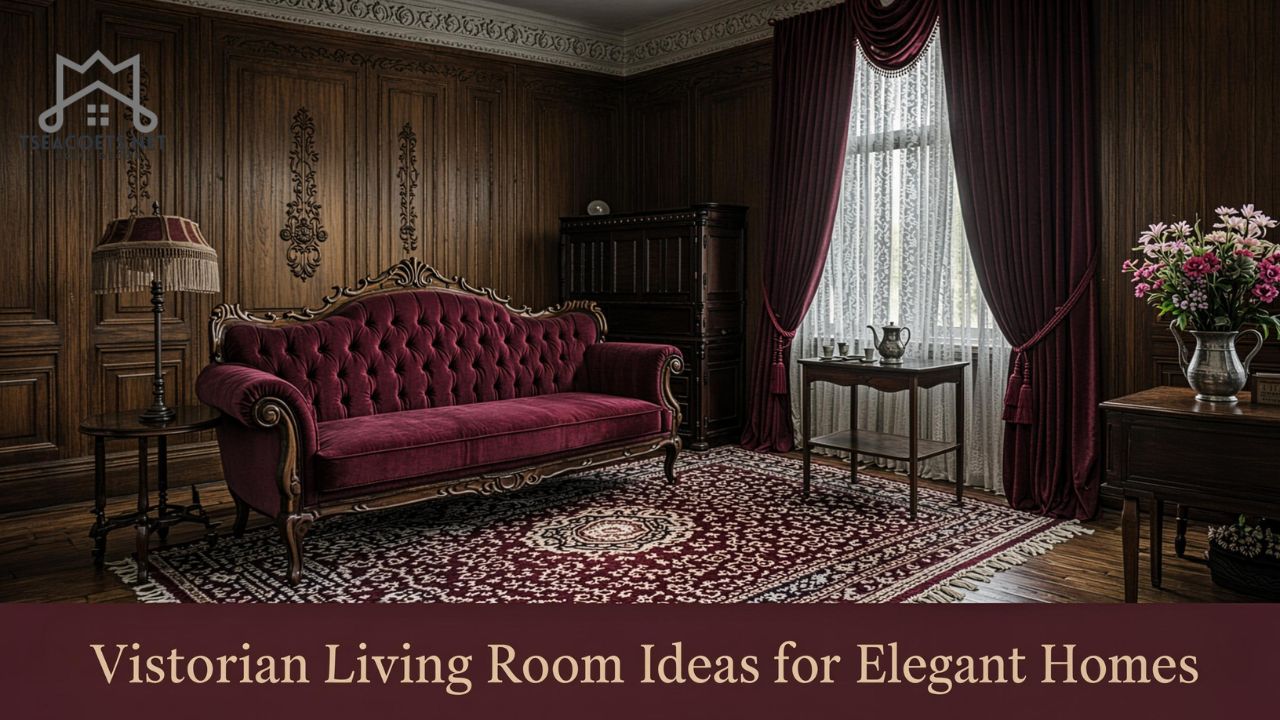
Introduction
Step into a world where elegance meets storytelling—where every detail whispers history. A victorian living room isn’t just a space; it’s an experience shaped by craftsmanship, drama, and timeless charm.
If you’ve ever walked into a room that felt rich, layered, and deeply intentional, chances are it borrowed heavily from Victorian design principles. That’s why this style still matters today—it transforms ordinary spaces into statement interiors that feel both luxurious and personal.
The real question isn’t whether this style is beautiful—it is. The real question is: how do you design a victorian living room without making it feel outdated or overwhelming? That’s exactly what we’re going to break down.


Understanding Victorian Living Room Style
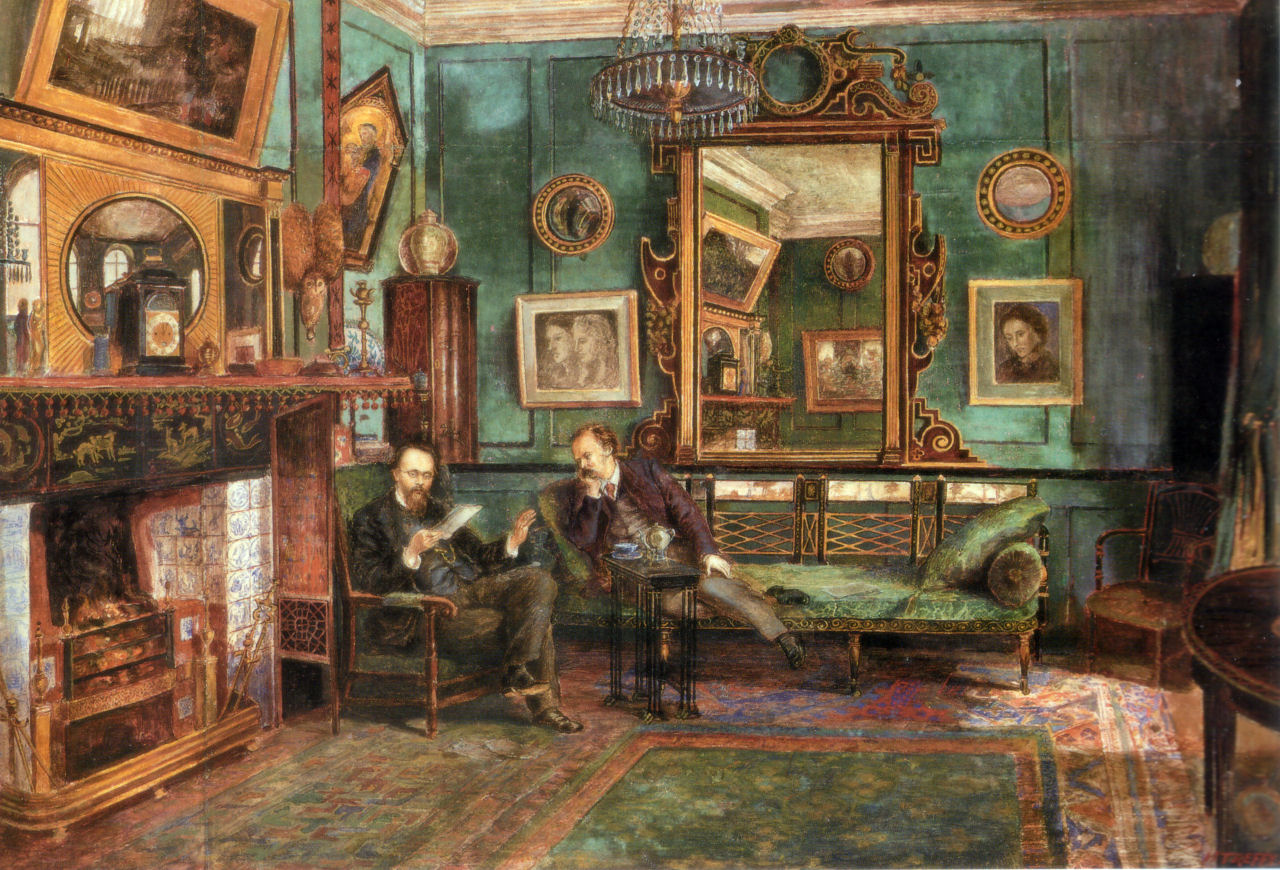
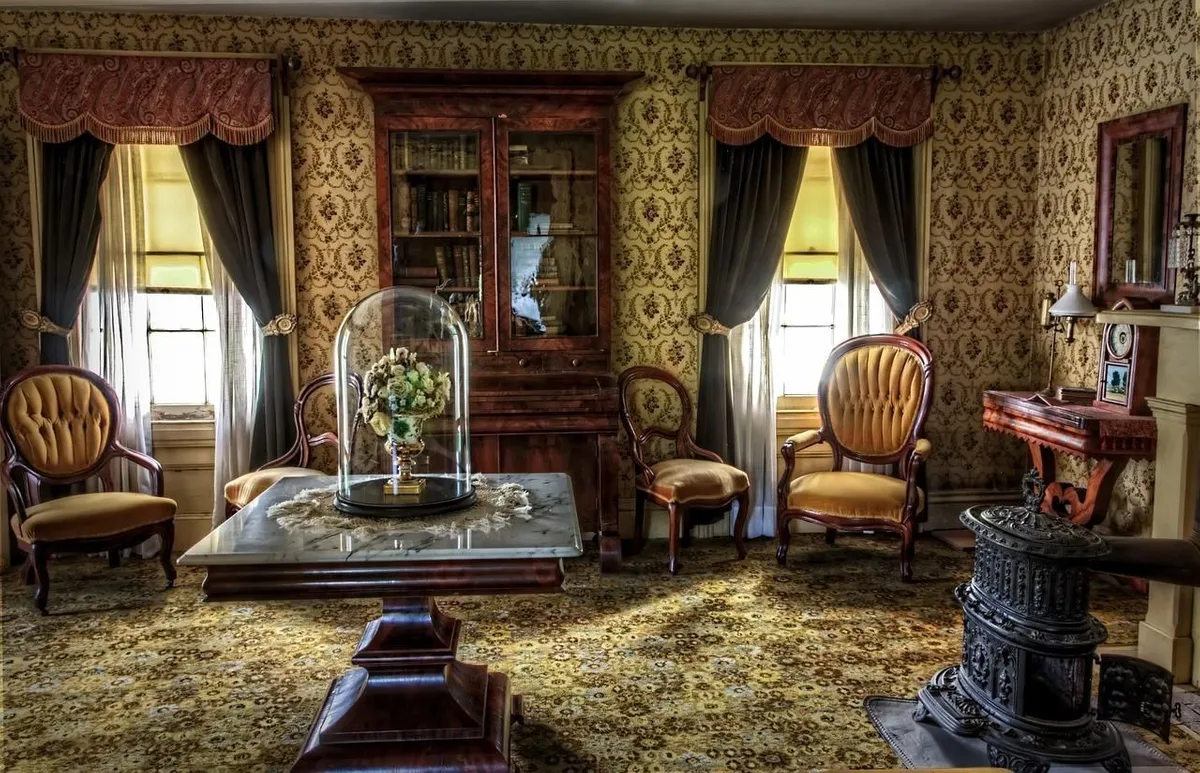
A victorian living room reflects the design aesthetics of the 19th century during Queen Victoria’s reign (1837–1901). This era was defined by opulence, industrial innovation, and a fascination with global influences.
What defines Victorian design?
- Ornate detailing and craftsmanship
- Heavy, dark wood furniture
- Rich fabrics like velvet and brocade
- Deep, moody color palettes
- Layered décor with minimal empty space
In reality, this style isn’t minimal—it’s intentionally maximal. Every corner tells a story.
Key Elements of a Victorian Living Room
To create an authentic victorian living room, you need to understand the core building blocks.
1. Architectural Details
Victorian interiors often feature:
- Crown molding and ceiling medallions
- Wainscoting or wood paneling
- Decorative fireplaces
- High ceilings
If your home lacks these, you can replicate them using modern materials like MDF paneling or peel-and-stick moldings.
2. Statement Furniture
Furniture isn’t just functional—it’s a centerpiece.
Typical pieces include:
- Tufted sofas
- Carved wooden chairs
- Chaise lounges
- Display cabinets
3. Layered Décor
Empty walls? That’s not Victorian.
Expect:
- Gallery walls
- Ornate mirrors
- Heavy curtains
- Decorative rugs
Victorian Living Room Furniture Guide
Choosing the right furniture is where most people get it wrong. They either go too modern—or too theatrical.
Core Furniture Pieces
| Furniture Type | Description | Best Material |
|---|---|---|
| Sofa | Tufted, curved arms | Velvet or leather |
| Armchair | Carved wood frame | Brocade or silk |
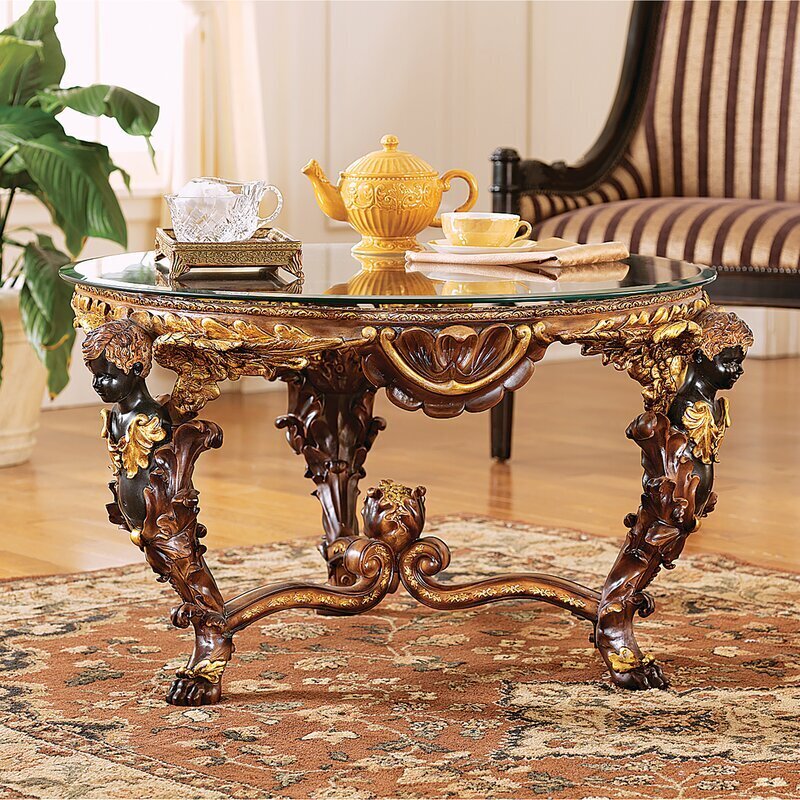
| Coffee Table | Ornate legs | Mahogany |
| Cabinet | Display pieces | Walnut |
Smart Buying Tip
Don’t buy everything antique. Mix:
- 60% Victorian-inspired
- 40% modern pieces
That balance keeps your victorian living room livable, not museum-like.


Color Schemes That Define Victorian Interiors
Color is where the drama begins.
Classic Victorian Colors
- Deep burgundy
- Forest green
- Navy blue
- Mustard yellow
- Dark plum
These colors reflect wealth and warmth.
Wall Treatment Ideas
- Floral wallpaper
- Damask patterns
- Painted paneling
Modern Twist
If you want a lighter look:
- Use cream or beige walls
- Add Victorian accents instead of full saturation
That said, going too light kills the authenticity.
Fabrics, Textures, and Patterns
Victorian design thrives on texture.
Essential Fabrics
- Velvet
- Silk
- Lace
- Brocade
Pattern Types
- Floral prints
- Damask
- Paisley
Layering Strategy
Combine:
- Curtains + sheers
- Rugs over hardwood
- Cushions with mixed textures
This layering creates visual richness—something every victorian living room needs.
Lighting and Accessories
Lighting isn’t just functional—it sets the mood.
Key Lighting Elements
- Chandeliers
- Wall sconces
- Table lamps with fabric shades
Accessories That Matter
- Vintage clocks
- Porcelain vases
- Oil paintings
- Books and collectibles
Golden Rule
More is more—but intentional.
Clutter looks messy. Victorian layering looks curated.
Modern Victorian Living Room Ideas
Here’s where things get interesting.
You don’t need a 19th-century house to pull this off.
Blend Old and New
- Pair antique sofa with modern lighting
- Use minimalist walls with Victorian furniture
- Add metallic accents like gold or brass
Small Space Strategy
If your room is small:
- Use one statement piece (like a sofa)
- Keep walls lighter
- Add mirrors to create depth
Budget Approach
Not everyone can afford antiques.
Try:
- Thrift stores
- Online marketplaces
- Reproduction furniture

Common Mistakes to Avoid
Let’s be brutally honest—most people mess this up.
1. Overdoing the Theme
Too many antiques = outdated vibe.
2. Ignoring Balance
A victorian living room still needs breathing space.
3. Cheap Materials
Fake wood and poor fabrics ruin the entire look.
4. Poor Lighting
Victorian interiors should feel warm—not dim or depressing.
Real-Life Design Example
Imagine this:
You walk into a victorian living room with:
- A deep green velvet sofa
- Gold-framed mirror above a fireplace
- Persian rug anchoring the space
- Soft chandelier lighting
Now compare that to a room with random “vintage-looking” items thrown together.
One feels curated. The other feels confused.
The difference? Intent.
FAQs
What makes a victorian living room unique?
It’s the combination of ornate furniture, rich colors, and layered décor that creates a luxurious, storytelling environment.
Can I create a victorian living room on a budget?
Yes. Focus on key pieces like a statement sofa and use thrifted accessories to build the look gradually.
Are Victorian interiors outdated?
Not if done correctly. Modern Victorian design blends classic elements with contemporary simplicity.
What colors work best in a victorian living room?
Deep, rich tones like burgundy, navy, and forest green are traditional choices.
How do I modernize a victorian living room?
Mix modern furniture, simplify color schemes, and reduce excessive ornamentation.
Is wallpaper necessary?
No, but it helps. If you skip wallpaper, use textured paint or paneling.
What type of sofa is ideal?
A tufted velvet sofa with curved arms works best for authenticity.
How do I avoid clutter?
Stick to a theme and remove items that don’t add visual value.
Conclusion
A victorian living room isn’t about copying the past—it’s about capturing its essence and adapting it to your lifestyle.
Done right, it creates a space that feels rich, intentional, and unforgettable. Done wrong, it turns into a cluttered mess pretending to be elegant.
So be strategic. Choose quality over quantity. Mix history with modern practicality.
That’s how you build a victorian living room that doesn’t just look good—but actually works.