
Introduction
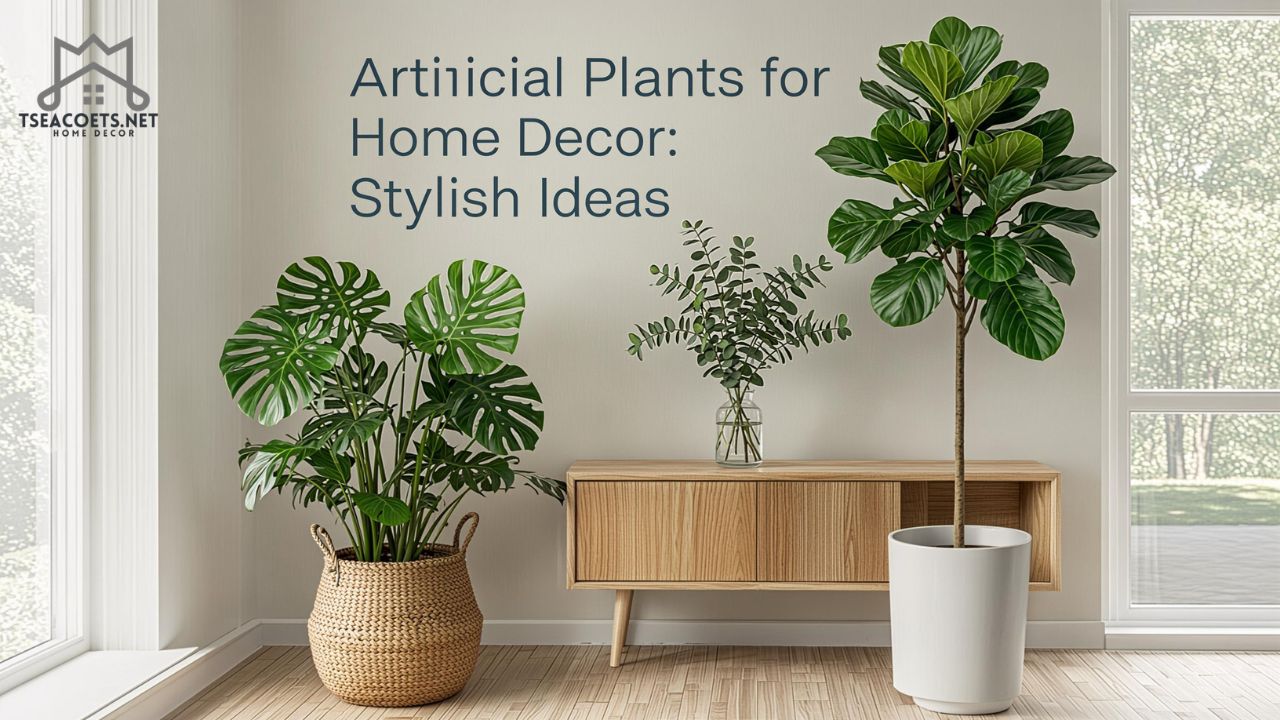
There’s something quietly magical about walking into a room filled with greenery. Yet not everyone has the time—or the sunlight—to keep real plants thriving. That’s exactly why artificial plants for home decor have become one of the most loved interior design solutions in recent years.
In reality, our homes deserve warmth and texture without adding daily chores to our already busy lives. From small apartments to sprawling family homes, artificial greenery is redefining how we decorate. Whether you live in a high-rise with limited sunlight or simply don’t want to worry about watering schedules, artificial plants offer beauty without pressure.
More importantly, today’s designs are so realistic that even seasoned gardeners sometimes do a double take. If you’ve ever killed a fiddle-leaf fig or watched a succulent slowly fade away, this guide will show you how to enjoy greenery—stress-free.

Why Artificial Plants Are Trending
Interior design trends constantly evolve, but greenery has remained timeless. However, what’s changed is the medium. Faux botanicals are no longer plastic-looking décor items from discount bins. Instead, they’re meticulously crafted with silk, latex, and high-grade polymers that replicate natural textures and color gradients.
The Shift Toward Low-Maintenance Living
Modern life is busy. According to lifestyle surveys, homeowners increasingly prefer low-maintenance décor that enhances ambiance without adding responsibility. Artificial greenery perfectly fits that demand.
Social Media & Aesthetic Culture
Platforms like Instagram and Pinterest have amplified biophilic design trends—bringing nature indoors. But here’s the catch: many influencers use artificial arrangements because they photograph beautifully and remain flawless year-round.
Benefits of Artificial Plants for Home Decor
When thoughtfully chosen, <strong>artificial plants for home decor</strong> deliver more than visual appeal. They offer practical advantages that real plants simply cannot match.
1. Zero Maintenance
No watering.
No sunlight requirements.
No pruning.
No fertilizers.
For busy professionals, parents, or frequent travelers, this is a game changer.
2. Allergy-Friendly
Unlike real plants that may release pollen or attract insects, artificial greenery eliminates allergens. That said, they’re perfect for homes with sensitive individuals.
3. Long-Term Cost Efficiency
Although high-quality faux plants may have a higher upfront cost, they don’t require soil, pots, fertilizers, or replacement due to seasonal decline.
4. Flexible Placement
You can decorate:
- Windowless bathrooms
- Dark hallways
- Office corners
- Shelves without direct light
In short, artificial plants expand design possibilities.

Types of Artificial Plants for Home Decor
Understanding your options helps you select the right statement piece for your space.
Artificial Trees
Large statement pieces such as:
- Fiddle leaf fig
- Olive trees
- Areca palms
- Bamboo trees
These work beautifully in living rooms and entryways.
Faux Hanging Plants
Ideal for:
- Kitchens
- Balcony ceilings
- Bathroom corners
- Floating shelves
They soften vertical space and add movement.
Artificial Succulents
Perfect for desks, coffee tables, and bookshelves. Minimalist yet charming.
Artificial Flower Arrangements
From peonies to orchids, these add color without seasonal limitations.
How to Style Artificial Plants in Different Rooms
Design isn’t just about placing greenery randomly—it’s about intention.
Living Room Styling
Place tall artificial trees beside sofas or near reading corners. Layer with:
- Textured rugs
- Neutral cushions
- Natural wood elements
This creates a cohesive, organic look.
Bedroom Ambience
Soft artificial lavender or eucalyptus on nightstands can create a calming effect. Interestingly, even faux greenery can psychologically signal relaxation.
Bathroom & Kitchen
Bathrooms with no natural light benefit immensely from faux hanging vines. Kitchens look warmer with small herb-inspired arrangements near windows.
Choosing High-Quality Faux Greenery
Not all artificial plants are created equal. The difference between “cheap plastic” and “wow, that looks real” lies in the details.
What to Look For
- Natural color variations
- Bendable stems
- Weighted, realistic pots
- UV-resistant materials (for outdoor use)
If leaves are overly glossy or uniformly green, they’ll likely appear fake.
Touch & Texture Test
High-end artificial plants often use silk or latex coatings to mimic natural leaf veins and softness.

Maintenance and Longevity Tips
Even though artificial plants require no watering, they still need minimal care.
- Dust regularly with microfiber cloth
- Use compressed air for intricate arrangements
- Avoid direct harsh sunlight (to prevent fading)
- Store properly if rotating seasonally
With proper care, high-quality pieces can last 5–10 years or longer.
Cost Comparison: Real vs. Artificial Plants
| Feature | Real Plants | Artificial Plants |
|---|---|---|
| Maintenance | High | Very Low |
| Lifespan | Variable | Long-term |
| Allergy Risk | Possible | None |
| Initial Cost | Lower | Moderate to High |
| Ongoing Cost | Continuous | Minimal |
In the long run, artificial plants often prove more economical.
Sustainability and Environmental Considerations
At first glance, real plants may seem more eco-friendly. However, consider:
- Transportation emissions
- Plastic nursery pots
- Fertilizer production
- Water consumption
Some artificial plants are now made using recycled materials. When purchased thoughtfully and used long-term, their environmental impact can balance out.
Personal Background & Design Insights
As someone deeply immersed in home styling and décor research, I’ve watched trends evolve over the past decade. Early faux plants were obvious and unattractive. Today’s craftsmanship is astonishing.
Designers across the globe—from boutique apartment stylists to luxury villa decorators—use artificial greenery strategically. In fact, the home décor industry is projected to grow steadily, with artificial botanical décor becoming a significant segment of the market.
Financially speaking, high-end artificial plant brands generate millions annually, reflecting massive consumer demand. For homeowners, investing once in quality pieces often saves money over years compared to replacing dying real plants.
Frequently Asked Questions
Are artificial plants for home decor tacky?
Not anymore. High-quality pieces are nearly indistinguishable from real plants when styled correctly.
How many artificial plants should I use in one room?
It depends on room size. Generally, 1–3 statement pieces combined with smaller accents work well.
Do artificial plants fade over time?
Lower-quality options may fade. UV-resistant versions are more durable, especially outdoors.
Can artificial plants improve mood?
While they don’t provide oxygen like real plants, studies show greenery—real or faux—can psychologically enhance mood and reduce stress.
Are artificial plants safe for pets?
Yes. Unlike some real plants that are toxic to pets, artificial plants pose minimal risk.
How do I clean artificial plants?
Dust weekly and wash gently with mild soap water if necessary.
Conclusion
Greenery has always symbolized life, freshness, and harmony. The difference today is that you no longer need a green thumb to achieve that look. Artificial plants for home decor offer beauty without stress, flexibility without limits, and elegance without effort.
Whether you’re decorating a minimalist apartment or a cozy family home, faux greenery can transform your environment instantly. With smart selection and thoughtful placement, you can enjoy year-round vibrancy—no watering can required.