
Introduction
A single storm, electrical fire, or burst pipe can turn an ordinary day into a financial nightmare. For homeowners living in manufactured or modular homes, the right protection can make the difference between a quick recovery and overwhelming expenses. That’s why understanding mobile home insurance is more important than ever.
Many homeowners assume all policies work the same way, but coverage for manufactured homes comes with unique details, risks, and requirements. From weather damage to theft and liability claims, the right policy helps protect not only your home but also your savings and peace of mind.
People often focus only on monthly premiums when shopping for coverage, yet the cheapest option can leave major gaps in protection. Knowing what is covered, what is excluded, and how claims work helps you avoid expensive surprises later.
Whether you own your home outright or still pay a mortgage, this guide explains how coverage works, how costs are calculated, and what to look for before choosing a policy.
Understanding Mobile Home Insurance
What Is Mobile Home Insurance?
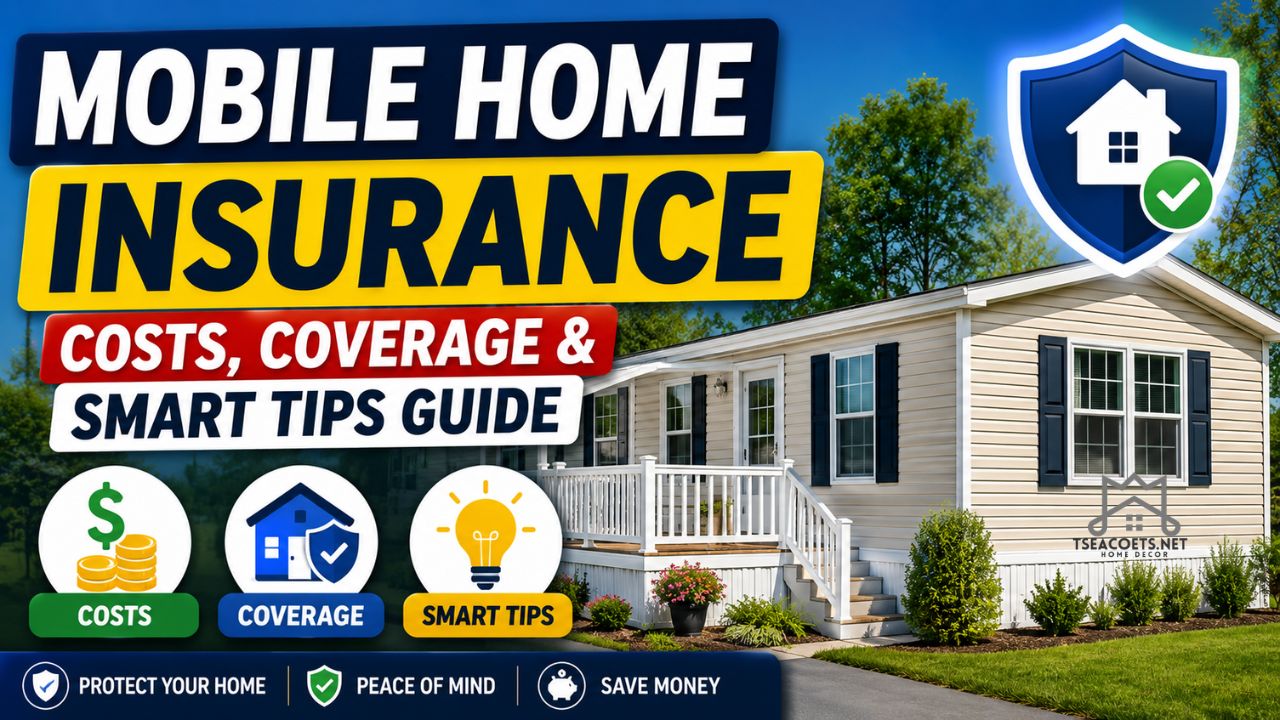
Mobile home insurance is a specialized homeowners policy designed for manufactured or modular homes. Unlike traditional houses built on permanent foundations, manufactured homes face different structural risks and transportation considerations. Insurance companies account for these factors when creating policies.
Most policies help cover:
- Damage to the structure
- Personal belongings
- Liability claims
- Temporary living expenses
- Detached structures
- Medical payments for guests
Coverage usually applies to homes built in factories and transported to a property site. Policies may vary depending on the age of the home, location, and construction standards.
Why Manufactured Homes Need Specialized Coverage
Manufactured homes often react differently to severe weather than site-built homes. Windstorms, hail, and flooding can cause extensive damage, especially in areas with frequent storms.
Some older homes may also use outdated materials or electrical systems that increase insurance risk. Insurers evaluate these factors carefully before approving coverage.
Another reason specialized policies matter is replacement value. Repairing or replacing parts of a manufactured home can require custom materials and transportation costs that standard homeowners policies may not address.
What Does a Standard Policy Cover?
Dwelling Coverage
Dwelling protection helps pay for repairs if your home is damaged by covered events such as:
- Fire
- Lightning
- Windstorms
- Hail
- Explosions
- Falling objects
- Vandalism
This portion of the policy usually covers walls, roofing, plumbing, and built-in systems.
Personal Property Coverage
Furniture, electronics, appliances, and clothing are often included under personal property protection. If belongings are stolen or damaged in a covered event, your insurer may help pay for replacements.
Creating a home inventory with photos and receipts makes filing claims much easier.
Liability Protection
Liability coverage helps protect you financially if someone is injured on your property. For example, if a visitor slips on your porch and requires medical treatment, your policy may help cover legal or medical expenses.
This protection can also help if you accidentally damage someone else’s property.
Additional Living Expenses
If your home becomes unlivable after a covered event, insurers may pay for:
- Hotel stays
- Restaurant meals
- Temporary rentals
- Transportation costs
This benefit is often overlooked until homeowners suddenly need emergency housing.
Detached Structures
Sheds, garages, fences, and workshops may also receive limited protection under your policy.
Common Exclusions Homeowners Should Know
Not every disaster is covered automatically. Understanding exclusions prevents confusion during claims.
Flood Damage
Flooding is one of the biggest coverage gaps. Standard policies usually do not include flood protection.
Homeowners living near rivers, coastal regions, or flood-prone zones may need separate flood insurance.
Earthquake Damage
Earthquakes and ground movement are also commonly excluded. Residents in high-risk states often purchase separate earthquake endorsements.
Wear and Tear
Insurance is designed for sudden and accidental events, not maintenance issues.
Problems like:
- Rust
- Mold from neglect
- Pest infestations
- Aging roofs
- Slow leaks
are typically considered homeowner responsibilities.
Intentional Damage
Policies will not cover intentional destruction or fraudulent claims.
Factors That Affect Insurance Costs
The price of mobile home insurance depends on several variables. Understanding them can help homeowners lower premiums without sacrificing protection.
Location
Homes located in areas prone to hurricanes, tornadoes, or wildfires generally cost more to insure.
Crime rates and local emergency response times can also influence pricing.
Age of the Home
Older manufactured homes may cost more to insure because they often use outdated construction materials or systems.
Some insurers limit coverage for homes built before certain federal safety standards.
Home Value and Size
Larger homes with higher replacement costs usually require more coverage.
Luxury upgrades, custom interiors, and attached additions can also increase premiums.
Claims History
A history of frequent claims may raise rates. Insurers use past claims to estimate future risk.
Credit Score
In many states, insurance companies consider credit history when calculating rates. Higher credit scores may qualify for lower premiums.
Safety Features
Installing safety upgrades can reduce costs. Common discounts include:
- Smoke detectors
- Security systems
- Deadbolt locks
- Storm shutters
- Fire extinguishers
How to Choose the Right Coverage Amount
One of the biggest mistakes homeowners make is underinsuring their property.
Replacement Cost vs. Actual Cash Value
Replacement cost coverage pays to repair or replace damaged property using current market prices.
Actual cash value factors in depreciation, meaning payouts may be lower for older items.
Most experts recommend replacement cost coverage whenever possible.
Estimating Dwelling Coverage
Your policy should reflect the full cost to rebuild your home, not simply its market value.
Consider:
- Construction materials
- Labor costs
- Transportation expenses
- Debris removal
- Local building codes
Evaluating Personal Property Limits
Walk through your home and estimate the value of belongings.
Many homeowners underestimate the total worth of:
- Electronics
- Furniture
- Jewelry
- Clothing
- Kitchen appliances
- Tools
Additional riders may be needed for expensive items like collectibles or fine jewelry.
Ways to Save Money on Coverage
Affordable protection is possible if you understand how insurers calculate risk.
Bundle Policies
Combining home and auto insurance often leads to significant discounts.
Raise Your Deductible
Choosing a higher deductible can lower monthly premiums.
However, make sure you can comfortably afford the out-of-pocket cost during emergencies.
Improve Home Security
Security cameras, monitored alarm systems, and reinforced doors may qualify for discounts.
Shop Around
Every insurer uses different pricing formulas.
Comparing quotes from multiple providers can reveal major price differences for similar coverage.
Maintain Good Credit
Responsible credit habits may help reduce premiums over time.
Avoid Small Claims
Filing multiple low-cost claims can increase rates. Sometimes paying for minor repairs out of pocket makes more financial sense.
Understanding Policy Limits and Deductibles
Policy limits represent the maximum amount your insurer will pay for covered losses.
Deductibles are the amount you pay before insurance coverage begins.
For example:
- If repairs cost $10,000
- Your deductible is $1,000
- Insurance may cover the remaining $9,000
Higher deductibles typically mean lower premiums, while lower deductibles increase monthly costs.
Finding the right balance depends on your financial situation and risk tolerance.
Regional Risks That Affect Coverage
Hurricane-Prone Areas
Coastal homeowners often face higher premiums because wind and storm surge claims are common.
Some insurers may require separate windstorm deductibles.
Tornado Zones
Manufactured homes can be especially vulnerable to tornado damage.
Anchoring systems and reinforced roofing may help reduce risks.
Wildfire Regions
In dry climates, wildfire exposure can significantly affect insurance availability.
Insurers may inspect nearby vegetation and defensible space around the home.
Heavy Snow Areas
Snow accumulation can damage roofing systems and create collapse risks.
Proper maintenance becomes especially important during winter months.
Filing a Claim Successfully
The claims process feels less stressful when homeowners know what to expect.
Document the Damage
Take photos and videos immediately after the incident.
Capture:
- Structural damage
- Destroyed belongings
- Water intrusion
- Exterior impacts
Prevent Further Damage
Most policies require homeowners to take reasonable steps to prevent additional loss.
Examples include:
- Covering broken windows
- Shutting off water
- Tarping damaged roofs
Contact Your Insurance Company Quickly
Prompt reporting helps speed up inspections and claim processing.
Keep Receipts
Save receipts for temporary repairs and emergency living expenses.
Work With Adjusters Carefully
Insurance adjusters inspect damage and estimate repair costs.
Review estimates carefully and ask questions if something appears inaccurate.
Mistakes to Avoid When Buying a Policy
Choosing Coverage Based Only on Price
Cheap policies often come with higher deductibles or limited protection.
Reading policy details matters more than focusing only on premiums.
Ignoring Exclusions
Many homeowners discover gaps only after filing claims.
Review exclusions carefully before purchasing.
Forgetting About Liability Coverage
Liability protection is one of the most valuable parts of a homeowners policy.
Medical lawsuits can become extremely expensive.
Underestimating Personal Property Value
Replacing belongings after a disaster costs more than many people expect.
Skipping Annual Reviews
Your coverage needs can change over time.
Annual reviews help ensure your policy still matches your home value and belongings.
Comparing Different Types of Manufactured Homes
Single-Wide Homes
Single-wide homes are generally smaller and may have lower replacement costs.
However, insurers may still charge higher premiums in severe weather areas.
Double-Wide Homes
Double-wide homes often resemble traditional houses more closely and may qualify for broader coverage options.
Modular Homes
Modular homes are built in sections but usually placed on permanent foundations.
Because of their construction standards, some insurers treat them more like traditional site-built homes.
The Role of Inspections in Coverage Approval
Insurance companies sometimes require inspections before issuing policies.
Inspectors may review:
- Roofing condition
- Electrical systems
- Plumbing
- Foundation stability
- Tie-down systems
- Exterior condition
Homes with major safety concerns may require repairs before approval.
Understanding Replacement Costs After Disasters
Rebuilding costs can rise dramatically after widespread disasters.
Labor shortages, supply chain disruptions, and transportation costs often increase repair expenses.
Homeowners should periodically review coverage limits to ensure they reflect current rebuilding costs.
This becomes especially important in areas frequently affected by storms or wildfires.
Seasonal Maintenance Tips for Homeowners
Routine maintenance can reduce insurance claims and protect your investment.
Spring
- Inspect roofing after winter storms
- Clean gutters
- Check for leaks
Summer
- Trim trees near the home
- Inspect cooling systems
- Review hurricane preparations
Fall
- Seal windows and doors
- Service heating systems
- Remove debris from gutters
Winter
- Protect exposed pipes
- Monitor snow accumulation
- Test smoke detectors
Regular maintenance also demonstrates responsible ownership, which may help during claims investigations.
How Lenders Influence Coverage Requirements
Mortgage lenders typically require homeowners to maintain insurance coverage.
The lender may specify:
- Minimum dwelling coverage
- Liability limits
- Deductible restrictions
- Proof of continuous insurance
If coverage lapses, lenders may purchase force-placed insurance, which is often more expensive and offers less protection.
Digital Tools That Simplify Insurance Management
Modern insurers now offer digital features that make policy management easier.
Common tools include:
- Mobile apps
- Digital ID cards
- Online claim tracking
- Virtual inspections
- Payment reminders
- Policy comparison tools
These features can improve convenience and speed up communication during emergencies.
FAQ
How much does mobile home insurance usually cost?
Costs vary depending on location, home age, size, coverage limits, and risk factors. Many homeowners pay anywhere from a few hundred to over a thousand dollars annually.
Does insurance cover storm damage?
Most policies cover wind, hail, and lightning damage. Flood damage usually requires separate coverage.
Is coverage required by law?
Insurance is generally not legally required unless you have a mortgage. However, maintaining protection is strongly recommended.
Can older manufactured homes get insured?
Yes, although coverage options may be more limited for older homes.
What is the difference between replacement cost and actual cash value?
Replacement cost pays for new replacements at current prices, while actual cash value subtracts depreciation.
Are detached garages and sheds covered?
Many policies include limited protection for detached structures.
Does insurance cover theft?
Personal property coverage often includes theft protection for covered belongings.
Can I lower premiums without reducing coverage?
Yes. Bundling policies, improving security, maintaining good credit, and raising deductibles can help lower costs.
Conclusion
Protecting a manufactured home involves more than finding the cheapest premium. The right policy provides financial security, supports faster recovery after disasters, and helps homeowners avoid devastating out-of-pocket expenses.
Understanding how coverage works, what exclusions exist, and which factors influence costs allows homeowners to make smarter insurance decisions. From liability protection to rebuilding costs, every detail matters when choosing long-term protection.
A carefully selected policy can provide peace of mind during storms, accidents, theft, and unexpected emergencies. Taking time to compare coverage options, review policy details, and update protection regularly helps ensure your home and belongings stay protected for years to come.