
Introduction
A single moment of uncertainty can create days of stress. Whether you are preparing for a job application, supporting a loved one, or simply checking your own health status, an at home drug test can offer fast answers in private. Many people appreciate the convenience of testing without scheduling appointments or sitting in a waiting room.
Home testing has become more accurate, affordable, and accessible over the last decade. Modern kits are designed to detect a range of substances within minutes, making them useful for personal awareness, workplace preparation, and family monitoring. At the same time, understanding how these tests work is essential because timing, sample quality, and product selection can all affect the outcome.
The growing popularity of self-screening also raises important questions. How accurate are these kits? Which type should you choose? What happens if the result is positive? Understanding the science behind testing can help you make informed decisions instead of relying on guesswork or internet myths.
Understanding Drug Testing at Home
Drug testing is the process of identifying traces of substances or their metabolites in the body. Most home screening kits analyze urine, saliva, or hair samples to determine whether specific compounds are present above a certain threshold.
The biggest advantage of home screening is privacy. People can perform tests discreetly and receive rapid results without visiting a clinic. This can reduce anxiety while also encouraging early awareness of possible substance use issues.
Another major benefit is accessibility. Many retail pharmacies, supermarkets, and online stores now carry reliable testing kits that are simple to use. Instructions are generally easy to follow, and most products provide results within five to fifteen minutes.
How an at home drug test Works
Most kits detect metabolites, which are chemical byproducts left behind after the body processes a substance. These metabolites stay in the body longer than the substance itself, allowing tests to identify recent use even after the immediate effects have disappeared.
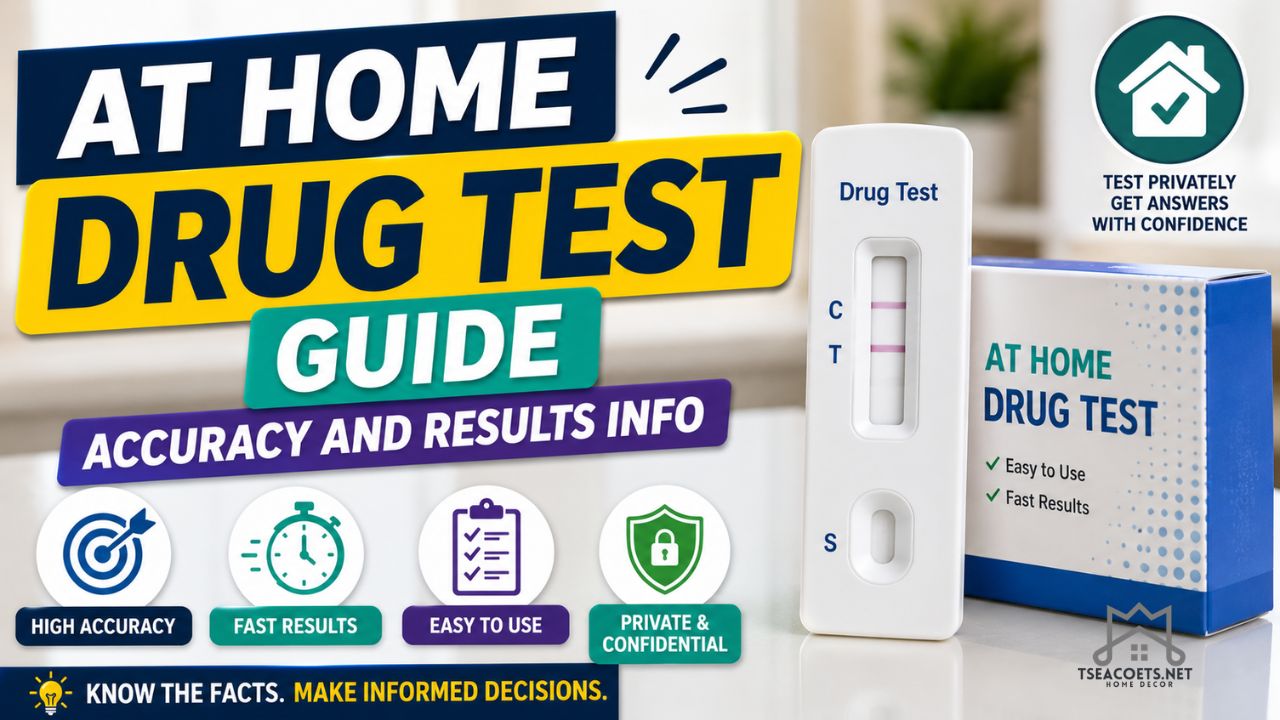
The testing process usually follows a similar pattern:
- Collect a sample according to the instructions
- Apply the sample to the testing device
- Wait for the indicated reaction time
- Compare the result lines or digital reading
- Review the interpretation guide included with the kit
Urine-based kits remain the most common because they are inexpensive and effective for detecting a wide variety of substances. Saliva tests are becoming increasingly popular because they are easier to administer and less invasive.
Common Substances Detected
Most consumer testing kits screen for several commonly used substances. Depending on the product, these may include:
- Marijuana or THC
- Cocaine
- Amphetamines
- Methamphetamines
- Opiates
- Benzodiazepines
- MDMA
- PCP
Some advanced kits also test for prescription medications. It is important to remember that legal prescriptions can sometimes trigger positive results if they contain compounds monitored by the screening panel.
Different Types of Home Drug Tests
Not all testing methods are the same. Each option has advantages and limitations depending on the situation.
Urine Testing
Urine screening is widely used because it balances affordability, convenience, and detection capability. It is commonly chosen for workplace preparation and general personal testing.
Detection windows vary depending on the substance, metabolism, hydration, and frequency of use. In many cases, traces remain detectable for several days after use.
Advantages include:
- Affordable pricing
- Fast results
- Broad substance detection
- Widely available kits
Potential drawbacks include the possibility of diluted samples or improper collection techniques.
Saliva Testing
Saliva testing detects recent substance use and is often used when immediate impairment is a concern. These tests are easier to administer because they do not require bathroom collection.
Saliva kits are useful for:
- Quick screening
- Monitoring recent exposure
- Portable testing situations
- Reduced tampering concerns
However, the detection window is usually shorter compared to urine testing.
Hair Follicle Testing
Hair analysis provides one of the longest detection windows available. Instead of identifying very recent use, it reveals patterns over weeks or even months.
Hair testing is often more expensive and may require laboratory processing. While some consumer kits exist, many people rely on professional confirmation services for accurate interpretation.
Sweat Patch Testing
Sweat testing is less common in home settings but may be used for ongoing monitoring programs. Adhesive patches collect perspiration over time and can detect repeated exposure.
Although not as widely available, sweat-based screening can be valuable in structured recovery or supervision environments.
Accuracy and Reliability Factors
One of the most common concerns surrounding home screening is accuracy. While many products provide dependable results, several factors can influence reliability.
Choosing a Quality Product
Selecting a reputable brand matters. Look for kits that clearly list:
- Detection thresholds
- Substances included
- Expiration dates
- FDA clearance information when applicable
- Clear instructions and support details
Low-quality products may produce confusing or inconsistent readings. Purchasing from trusted retailers can reduce the risk of counterfeit or expired kits.
Sample Collection Matters
Even a reliable kit can fail if the sample is contaminated or collected incorrectly. Following the instructions carefully is essential for dependable results.
Mistakes that may affect outcomes include:
- Using too little sample material
- Reading results too early
- Waiting too long to interpret lines
- Storing the kit improperly
- Using expired materials
False Positives and False Negatives
False positives occur when the test indicates substance use even though none occurred. False negatives happen when a test fails to detect a substance that is actually present.
Certain medications, supplements, and foods may occasionally interfere with screening. This is why laboratory confirmation testing is often recommended after a non-negative result.
Detection Windows Explained
Every substance leaves the body at a different rate. Factors that influence detection include:
- Body composition
- Metabolism
- Hydration levels
- Frequency of use
- Overall health
- Dosage amount
For example, occasional marijuana use may clear more quickly than long-term heavy use. Understanding these timelines helps people avoid unrealistic expectations.
Choosing the Right at home drug test
Choosing the right product depends on your goals, budget, and preferred testing method. Some people want quick reassurance, while others need broader screening capabilities.
Single-Panel vs Multi-Panel Kits
Single-panel kits focus on one substance category, such as THC. Multi-panel kits test for several substances simultaneously.
Multi-panel options are popular because they provide broader insight with one sample. Families and employers often prefer these kits for convenience.
Single-panel kits may be suitable when testing for a specific concern or following up after a previous result.
Digital vs Manual Reading
Traditional test strips rely on visible lines that users interpret manually. Digital readers reduce confusion by displaying results on a screen.
Digital options are often easier for first-time users because they minimize interpretation mistakes. However, they may cost more than basic strip-based tests.
Budget Considerations
Pricing varies significantly depending on:
- Number of substances tested
- Brand reputation
- Testing method
- Included laboratory confirmation services
- Packaging quantity
Spending slightly more on a trusted product is often worthwhile because accuracy and reliability are extremely important in sensitive situations.
Preparing for a Home Test
Preparation can improve the reliability of results and reduce unnecessary stress.
Read Instructions Carefully
Many testing mistakes happen because people skip instructions. Every product has slightly different requirements regarding timing, storage, and interpretation.
Before starting:
- Wash your hands
- Prepare a clean workspace
- Check expiration dates
- Set a timer
- Keep instructions nearby
Avoid Last-Minute Guesswork
Trying to rush through testing can create confusion. Plan enough time to complete the process calmly and accurately.
Avoid assumptions about what certain line colors or faint markings mean. The included guide should always be your primary reference.
Maintain Proper Storage Conditions
Extreme heat or moisture may damage testing materials. Kits should be stored according to manufacturer recommendations.
Improper storage can affect chemical reactions and potentially lead to unreliable readings.
Understanding Test Results
Interpreting results correctly is one of the most important parts of the process.
Negative Results
A negative result generally means the substances screened were not detected above the threshold level. However, this does not always guarantee complete absence.
Detection windows vary, and some substances may no longer be measurable depending on timing and metabolism.
Positive Results
A positive reading indicates that a screened substance may be present above the cutoff threshold.
In many situations, confirmation testing through a laboratory is recommended before making important decisions. This is especially relevant for workplace, legal, or medical matters.
Invalid Results
Invalid readings usually occur when the test fails to process correctly. This may happen because of improper sample collection, damaged materials, or procedural errors.
If a result is invalid:
- Review the instructions again
- Check the expiration date
- Use a new kit if necessary
- Consider professional confirmation testing
Privacy and Ethical Considerations
Testing at home can involve sensitive personal and family dynamics. Respect, transparency, and responsible communication are important.
Family Testing Situations
Parents may consider testing when they are worried about behavioral changes or potential substance misuse. While concern is understandable, trust and communication should remain priorities.
Experts often recommend having honest conversations before introducing testing into a household routine. Emotional support and professional guidance may be more effective than punishment alone.
Workplace and Legal Concerns
An at home drug test may provide personal insight before an official screening, but home kits are not always accepted as legal or employment evidence.
Organizations usually rely on certified laboratory testing for official decisions because laboratory procedures include stricter chain-of-custody protocols.
Mental and Emotional Impact
Testing can create anxiety, especially when the outcome may affect employment, relationships, or recovery goals.
Approaching the process with honesty and calm expectations can help reduce stress. Support from healthcare providers or counselors may also be beneficial in emotionally difficult situations.
Common Myths About Drug Testing
Misinformation about drug testing is widespread online. Understanding the facts can help prevent confusion and risky decisions.
Myth: Drinking Excessive Water Always Works
Hydration affects urine concentration, but excessive water intake does not guarantee a negative result. Modern testing often checks for dilution markers.
Myth: Home Tests Are Never Accurate
Quality consumer kits can provide reliable preliminary screening when used properly. Many use technology similar to professional rapid screening devices.
Myth: Every Positive Result Means Drug Abuse
Certain medications and medical conditions may affect results. Confirmation testing is important before drawing conclusions.
Myth: Hair Testing Detects Immediate Use
Hair analysis reflects longer-term patterns rather than very recent exposure. It typically takes time for metabolites to become incorporated into hair strands.
When Professional Testing Is Better
Home screening is convenient, but there are situations where professional testing is the safer choice.
Professional services may be more appropriate when:
- Legal documentation is required
- Employment verification is involved
- Court orders apply
- Medical supervision is necessary
- Confirmation testing is needed
- Long-term monitoring programs are in place
Laboratory testing often includes advanced confirmation methods such as gas chromatography and mass spectrometry, which provide highly accurate analysis.
Healthcare providers can also explain results within the context of prescriptions, medical history, and individual health factors.
Supporting Someone After a Positive Result
Discovering a positive result can feel overwhelming, but the response matters greatly.
Stay Calm and Respectful
Reacting with anger or panic may worsen communication. A calm approach encourages openness and honesty.
Encourage Professional Guidance
Doctors, therapists, and addiction specialists can provide proper assessment and support. Early intervention often improves long-term outcomes.
Focus on Solutions
Instead of concentrating only on punishment or blame, focus on recovery, accountability, and long-term health.
Many people benefit from:
- Counseling programs
- Peer support groups
- Family therapy
- Structured recovery plans
- Ongoing medical supervision
Frequently Asked Questions
FAQs
How accurate is an at home drug test?
Most quality kits are reasonably accurate when used correctly. However, laboratory confirmation testing is recommended after any non-negative result.
How long do substances stay detectable?
Detection times vary widely depending on the substance, frequency of use, metabolism, and testing method. Some substances remain detectable for only a day, while others may appear for weeks.
Can prescription medications affect results?
Yes. Certain prescription medications may trigger positive readings because of their chemical structure. Always review the medication information and consider professional confirmation if needed.
Are saliva tests better than urine tests?
Each method has strengths. Saliva testing is useful for recent exposure, while urine screening often provides a longer detection window.
Can secondhand smoke cause a positive result?
Under normal circumstances, casual environmental exposure is unlikely to trigger a positive reading. Extreme exposure scenarios may require professional evaluation.
Should I trust a faint line on the test?
Many kits consider even a faint line to represent a negative result. Always follow the product instructions carefully because interpretation rules vary.
Is an at home drug test accepted for employment screening?
Most employers require certified laboratory testing rather than personal screening kits. Home tests are usually intended for informational purposes.
What should I do after an unexpected positive result?
Avoid making assumptions immediately. Review medications, repeat the test if appropriate, and seek laboratory confirmation or medical guidance.
Conclusion
An at home drug test can be a practical tool for private screening, early awareness, and personal preparation. The key to reliable results lies in choosing a reputable product, following instructions carefully, and understanding the limitations of rapid screening.
Whether you are testing for personal knowledge, family concerns, or workplace preparation, informed decisions matter. Reliable information, respectful communication, and professional guidance can make the process more constructive and less stressful.
As testing technology continues to improve, home screening will likely remain a convenient option for people seeking quick answers in a private setting. Understanding how these kits work empowers individuals to use them responsibly and confidently.