
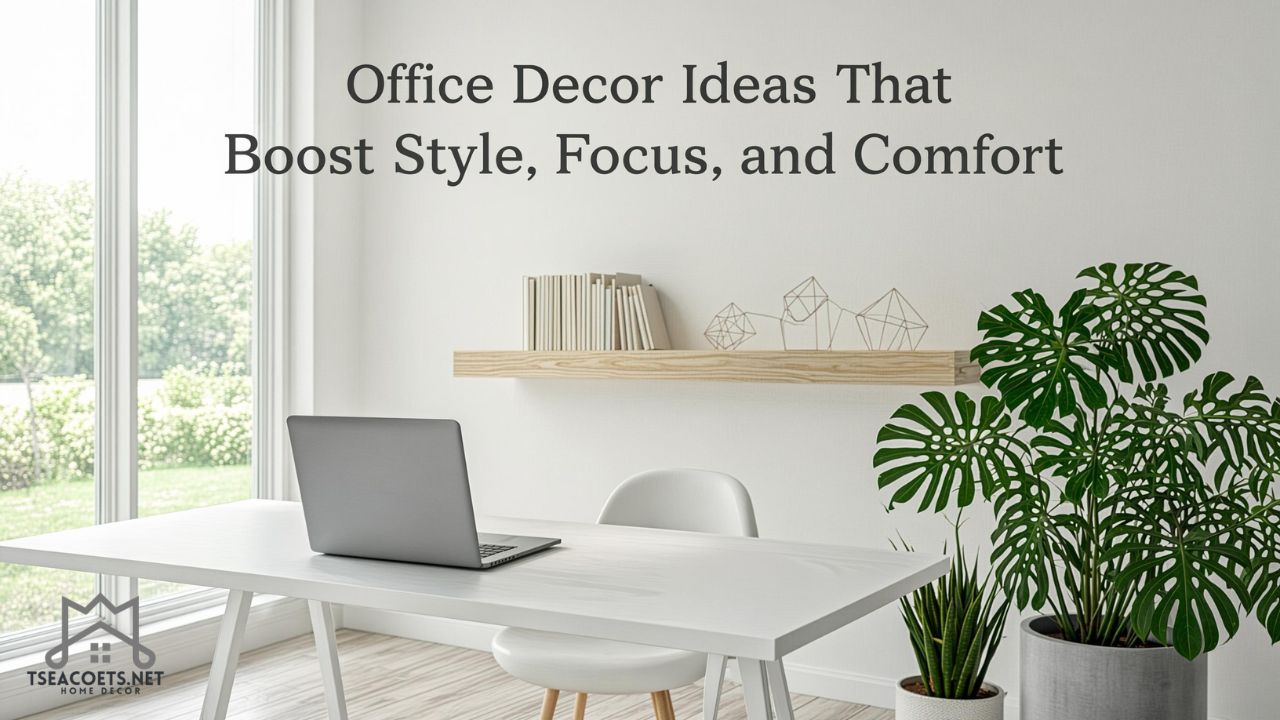
When a workspace feels dull, cluttered, or harsh, it quietly drains energy. The best office decor ideas do the opposite. They make a room feel sharper, calmer, and easier to work in from the moment you sit down.
That matters more than many people realize. Office design is not only about appearance. It shapes focus, privacy, comfort, mood, and even whether people want to spend time in the space. Gensler’s 2025 Global Workplace Survey, based on more than 16,000 office workers, found that employees increasingly see the office as a destination that should support performance, connection, and better experiences at work.
Whether you are updating a corporate office, refreshing a startup studio, or trying to make a small home workspace feel more professional, smart design choices can change the whole rhythm of the day. A brighter desk, softer textures, cleaner storage, better lighting, and a few thoughtful personal touches can turn a forgettable room into a place where good work actually happens.
In this guide, you will find practical, stylish, and realistic ideas that help you decorate with purpose. Some are simple weekend upgrades. Others are bigger layout moves that solve real work problems, not just visual ones.
Why office decor matters more than people think
Office decor is the visual and functional layer of a workspace. It includes furniture, layout, lighting, color, wall art, storage, accessories, and the small details that affect how a room feels and performs.
A lot of people treat decor as the final step. In reality, it should be part of the strategy from the beginning. A beautiful office that creates glare, noise, or clutter is not doing its job. On the other hand, a simple office with the right light, privacy, and flow can feel expensive, calm, and deeply effective.
Research keeps pointing in the same direction. Workers care about spaces that support concentration, privacy, and meaningful in-person experiences, not just rows of desks. Gensler’s 2025 workplace research found that traditional corporate environments are becoming less appealing, while better-designed offices can improve performance and loyalty.
That is why the best office decor ideas are never random. They solve problems like visual fatigue, poor organization, awkward traffic flow, weak branding, or a room that simply feels flat.
Good decor supports real work
Think about two different offices. One has harsh overhead lights, cables everywhere, mismatched furniture, and no place for private calls. The other has layered lighting, clean surfaces, a comfortable chair, concealed storage, and a touch of greenery. Even before any work begins, one space feels stressful and the other feels manageable.
That feeling is not imaginary. Harvard research on open workspaces found that removing privacy can actually reduce face-to-face interaction rather than improve it. Decor, layout, and zoning work together. When they are done well, they help people focus and collaborate at the right times.
A polished office builds trust
Clients notice office design. So do employees, partners, and job candidates. A well-decorated office signals care, competence, and attention to detail. It does not need to look luxurious. It just needs to look intentional.
For a law office, that may mean muted colors, framed credentials, and warm wood tones. For a creative agency, it may mean bold art, flexible seating, and strong brand colors. For a home office, it may mean a clean camera-friendly background and fewer distractions in the room.
How to choose office decor ideas that fit your work style
Before buying anything, step back and ask a more useful question: what does this office need to do every day?
That single question prevents a lot of expensive mistakes.
Start with function before style
A workspace used for deep focus needs something different from a space used for calls, brainstorming, or client meetings. If you spend hours writing, coding, editing, or doing financial work, calm visuals and lower clutter matter more than dramatic statement pieces. If you host clients or shoot video content, the room may need a stronger visual identity.
Use this quick framework:
| Work Style | Decor Priority | Best Design Moves |
|---|---|---|
| Deep focus work | Calm, low distraction | Neutral palette, concealed storage, task lighting |
| Client-facing work | Professional impression | Statement wall, quality seating, polished styling |
| Creative work | Inspiration and flexibility | Art, layered textures, movable furniture |
| Frequent video calls | Clean background | Wall decor behind desk, better lighting, cable control |
| Shared team use | Zoning and flow | Defined areas, acoustic help, flexible seating |
Think about the mood you want
Every office sends a message. Decide whether you want the room to feel:
- Calm and minimal
- Warm and welcoming
- Modern and high-end
- Creative and energetic
- Professional and traditional
Once you know the mood, choices become easier. For example, warm neutrals, soft wood, and linen textures create a softer atmosphere. Black metal, glass, and sharp lines feel more corporate and modern. Saturated greens, deep blue-gray, or terracotta accents can make a home office feel more grounded and mature.
Use a simple decorating formula
A surprisingly effective rule is this: choose one anchor, one support layer, and one personal layer.
- Anchor: desk, rug, shelving unit, or main wall color
- Support layer: lighting, storage, seating, and window treatment
- Personal layer: art, books, plants, framed pieces, or meaningful objects
This keeps the office from feeling either empty or overloaded.
Office decor ideas for layout, furniture, and flow
A room can have expensive decor and still feel wrong if the layout is off. Flow matters. So does breathing space.
Position the desk with intention
Desk placement shapes the whole room. If possible, place the desk where you can benefit from daylight without taking direct glare on the screen. Natural light matters because daytime light exposure is linked with better mood, alertness, and sleep-related outcomes in office workers.
Good desk placement options include:
- Facing a window at an angle
- Facing into the room with a styled wall behind
- Against a wall if space is tight, but with decor that prevents a boxed-in feeling
Avoid setting the desk in a dead zone where you feel cramped or where every cable ends up visible.
Create zones instead of one flat room
One of the smartest office decor ideas is to divide the space by purpose, even in a small room.
Possible zones include:
- Main work zone
- Reading or idea corner
- Storage zone
- Meeting or guest seating area
- Video call backdrop zone
You can define zones with a rug, a lamp, a shelving unit, or even a change in wall art. This makes the room feel designed rather than stuffed with office items.
Upgrade seating beyond the desk chair
Most people think only about the task chair. That matters, of course, but secondary seating changes the feel of an office. A small lounge chair, visitor chair, or upholstered bench adds warmth and makes the space more usable.
In a home office, even a compact accent chair in the corner can soften the room and create a mental break area. In a team office, a pair of side chairs can make casual conversations easier without forcing everyone into a formal conference room.
Office decor ideas for walls, color, and visual identity
Walls carry more visual weight than most people expect. When they are blank, the office can feel temporary. When they are overloaded, the room feels noisy.
Use office decor ideas that begin with color
Color sets emotional tone fast. It is one of the easiest ways to shift the energy of an office without changing furniture.
A few reliable directions:
- Soft white and warm beige: clean, bright, and timeless
- Greige and stone tones: calm and polished
- Muted green: restful and grounded
- Dusty blue: focused and professional
- Charcoal accents: dramatic, modern, and strong
For small offices, light tones keep the room open. For large offices, darker accents can make the space feel more intimate and refined.
Add one strong focal wall
You do not need to decorate every wall. One focal wall often does more.
That wall could include:
- Framed artwork
- A painted accent color
- Floating shelves with books and objects
- Brand messaging in a tasteful format
- A textured wall treatment like wood slats or molding
For offices used on video calls, the focal wall behind the desk matters even more. It should look intentional, not busy. Two or three large pieces usually work better than ten small ones.
Mix personal identity with professional tone
This is where many offices go wrong. Some spaces feel so sterile that they could belong to anyone. Others feel too personal and lose their professional edge.
The sweet spot is selective personality. Think framed travel photography, a favorite design book stack, one sculptural object, or meaningful certificates displayed cleanly. The goal is warmth, not clutter.
Lighting, plants, and sensory comfort
This is where an office often becomes either energizing or exhausting.
Layer your lighting instead of relying on one source
If your office only uses an overhead light, it probably feels flat at best and stressful at worst. Better offices usually use three lighting layers:
- Ambient lighting for overall brightness
- Task lighting for focused work
- Accent lighting for mood and visual depth
A desk lamp with adjustable brightness can make a huge difference. So can a floor lamp in a corner that would otherwise feel dark and neglected.
There is real science behind this. Office lighting that better supports circadian rhythms has been linked with reduced sleepiness and improved alertness in field settings. That does not mean every office needs expensive smart systems, but it does mean lighting deserves more respect than it usually gets.
Bring in plants, but use them strategically
Plants are one of the most dependable office decor ideas because they improve appearance fast and can soften a rigid space. Field research has found that indoor plants can improve how attractive a workspace feels and may reduce complaints about dry air.
Good office plant choices include:
- Snake plant
- ZZ plant
- Pothos
- Rubber plant
- Peace lily
- Small succulents for shelves
The mistake is scattering tiny plants everywhere. One floor plant, one desk plant, and one shelf plant usually look better than eight random pots.
Pay attention to texture and sound
Decor is visual, but comfort is sensory. Hard surfaces everywhere can make an office feel cold and echoey. Add softness through:
- Rugs
- Fabric chairs
- Curtains
- Acoustic panels
- Cushioned bench seating
- Textured storage baskets
This matters even more in open or shared offices. Privacy concerns remain a major issue in modern workplaces, and poor sound control only makes that worse. Steelcase has reported strong employee concern around privacy and interruptions, especially in open settings.
Storage and organization that still looks good
A lot of people work hard to decorate an office, then ruin the effect with visible clutter. Organization is not separate from design. It is part of design.
Hide the ugly, display the useful
Not everything should be on show. Paper stacks, spare tech items, receipts, tangled chargers, and half-used notebooks create mental noise.
A smart rule is this:
- Hide operational clutter
- Display attractive essentials
So keep files in closed cabinets, baskets, or drawers. Display beautiful books, a pen tray, one tray for daily documents, and a few curated items that add life.
Research on workplace clutter suggests it can harm satisfaction and increase burnout and tension. That explains why a tidy office often feels lighter before you even sit down.
Choose storage that fits the room style
Storage can be decorative if chosen well. Consider:
- Wood credenzas for a warm executive look
- Matte metal cabinets for a modern office
- Floating shelves for smaller spaces
- Matching fabric boxes for open shelving
- Slim rolling drawers under the desk
When storage pieces match the design language of the room, they stop looking like office leftovers.
Use surface control
Every office needs a landing system for daily items. Otherwise, the desktop becomes a dumping ground.
Useful surface tools include:
- One in-tray
- One catch-all dish
- A cable box or cable sleeve
- A monitor riser with storage
- A desk mat to visually define the work zone
These are small purchases, but they make a desk look dramatically more polished.
Office decor ideas for small spaces
Small offices need sharper choices, not fewer ideas.
Use vertical space well
When floor space is limited, walls do more work. Install shelves above eye level, add vertical art, or use a tall narrow bookcase. This draws the eye upward and keeps the office from feeling compressed.
Pick furniture with visual lightness
Bulky pieces can swallow a small room. Try:
- Open-leg desks
- Wall-mounted shelves
- Slim chairs
- Glass or light wood surfaces
- Storage benches that do double duty
The room should feel breathable. That matters more than squeezing in one extra cabinet.
Keep the palette tight
In a compact office, too many colors can make the space feel messy. A simple palette works better:
- One base neutral
- One accent color
- One natural texture, like wood or woven material
This is one of the easiest office decor ideas to get right, and it makes a small workspace feel far more intentional.
Office decor ideas for shared and team offices
Decorating a team office is different from decorating for one person. The room needs to support more movement, more noise, and more work styles.
Design for both collaboration and privacy
Open offices often promise connection but accidentally create fatigue. Harvard research has shown that open environments can reduce face-to-face interaction when privacy drops too far.
That means team spaces should include both open and enclosed experiences, even if they are created with simple tools like:
- Booth seating
- Phone pods
- Soft partitions
- Bookshelf dividers
- Meeting nooks
- Acoustic wall panels
Use decor to express brand culture
Shared offices benefit from a stronger visual identity. This can show up through:
- Brand colors used in moderation
- Custom typography or signage
- Framed mission statements that are actually well designed
- Local art that reflects place and community
- Consistent finishes across rooms
The goal is not to turn the office into an advertisement. It is to make the environment feel connected to the company rather than generic.
Give employees some ownership
Even in a designed office, people want small moments of control. That could mean adjustable lamps, movable seating, pinboards for team inspiration, or shelf space for personal items.
Offices feel more human when they leave room for people, not just policy.
Budget-friendly office decor upgrades
Not every makeover needs a designer budget. Some of the most effective changes are affordable.
High-impact, low-cost upgrades
Here are practical moves that usually pay off fast:
| Budget Upgrade | Why It Works |
|---|---|
| Paint one wall | Changes mood quickly |
| Add one large rug | Softens sound and grounds the room |
| Replace harsh lighting | Improves comfort and atmosphere |
| Use matching storage boxes | Reduces visual clutter |
| Frame printable art | Adds polish without much cost |
| Upgrade curtain panels | Makes the office feel finished |
| Add one medium or large plant | Brings life and softness |
| Hide cables | Instantly looks cleaner |
Shop smarter, not bigger
You do not need to buy everything at once. Build the room in layers.
Start with:
- Lighting
- Storage control
- Wall treatment
- Secondary seating or plant life
- Final styling pieces
This keeps you from spending money on accessories before the foundations are right.
Repurpose what already exists
Some of the best office decor ideas come from editing, not buying. A dresser can become a credenza. Dining chairs can become guest seating. A forgotten lamp can work beautifully with a better shade. Old frames can be repainted and reused.
That is how many stylish offices are built in real life. Not with one expensive shopping trip, but with smart decisions over time.
Common office decor mistakes to avoid
Even a well-meaning makeover can go sideways. These are the mistakes that show up again and again.
Decorating before solving layout problems
People often buy art, lamps, and accessories before fixing desk placement, lighting, or storage. Then the office still feels off. Start with function. Decor should support the room, not distract from its flaws.
Going all-in on open shelving
Open shelves look great in styled photos. In real offices, they can become clutter magnets. Mix open and closed storage so the room stays attractive without demanding constant maintenance.
Ignoring privacy and acoustics
This is one of the biggest modern office mistakes. A room can look sleek and still feel exhausting. Privacy, sound control, and visual calm are part of decor because they shape daily experience.
Using too many tiny accessories
A desk covered in little objects rarely looks curated. It usually looks busy. Choose fewer, larger pieces with stronger visual impact.
Forgetting what the camera sees
For remote workers, the video-call background matters. A great office that looks chaotic on screen is missing a major function. Check what appears behind you and adjust art, lighting, and shelf styling accordingly.
FAQ
What are the best office decor ideas for productivity?
The best choices are the ones that reduce distraction and improve comfort. Good lighting, clean storage, a calm color palette, ergonomic furniture, and a bit of greenery tend to help most people work better.
How can I decorate an office on a small budget?
Start with paint, lighting, framed art, storage boxes, and one plant. These updates change the look of a room without requiring a full redesign. Focus on the biggest visual problems first.
Which colors work best for an office?
Soft neutrals, muted greens, dusty blues, and warm earth tones are reliable choices. They feel polished and easy to live with. The right color depends on whether you want the room to feel calm, energetic, or formal.
Are plants really worth adding to an office?
Yes, in most cases. Plants bring softness, texture, and a healthier visual balance to workspaces. Research also suggests they can improve perceived attractiveness and reduce some discomfort complaints in office settings.
What should I put on office walls?
Framed art, shelves, certificates, mirrors, brand graphics, or one accent paint color all work well. Keep the arrangement intentional. A few larger pieces often look better than many small ones.
How do I make a home office look more professional?
Use a consistent color palette, hide cords, improve lighting, add a strong background wall, and remove visible clutter. Even simple upgrades can make the room look more polished on both video calls and in person.
What is the biggest office decor mistake?
The biggest mistake is treating decor as only visual. An office must support how people actually work. If the room looks good but feels noisy, cramped, dark, or distracting, the design is incomplete.
How often should office decor be updated?
Small updates can happen seasonally or once a year. Bigger changes usually make sense every few years, especially if work habits, team size, or branding have changed.
Conclusion
The best office decor ideas are not about chasing trends or making a workspace look expensive for no reason. They are about building a room that helps people think clearly, feel comfortable, and show up with more energy.
That may mean changing the lighting, softening the palette, hiding clutter, adding plants, or finally giving the office a layout that makes sense. Sometimes one thoughtful change starts the shift. Sometimes the room needs a deeper reset. Either way, good office design is rarely wasted effort.
A workspace should do more than hold a desk and chair. It should support the kind of work you want to do and the kind of feeling you want to have while doing it. When that happens, the office stops being just a room. It becomes part of your momentum.