Introduction
There’s something undeniably comforting about stepping into a space that feels warm, lived-in, and deeply connected to nature. That’s exactly why rustic houses continue to capture hearts around the world—they tell stories through wood grains, stone walls, and imperfect textures.
In a world filled with sleek, modern designs, many people are returning to simpler aesthetics. Rustic homes offer more than just visual charm—they create a sense of belonging. Whether you grew up in the countryside or just crave a peaceful retreat, this style resonates on a deeper emotional level.
But what truly defines rustic design? And how can you create one that feels authentic—not staged or overly trendy? Let’s dive into everything you need to know.

What Are Rustic Houses?
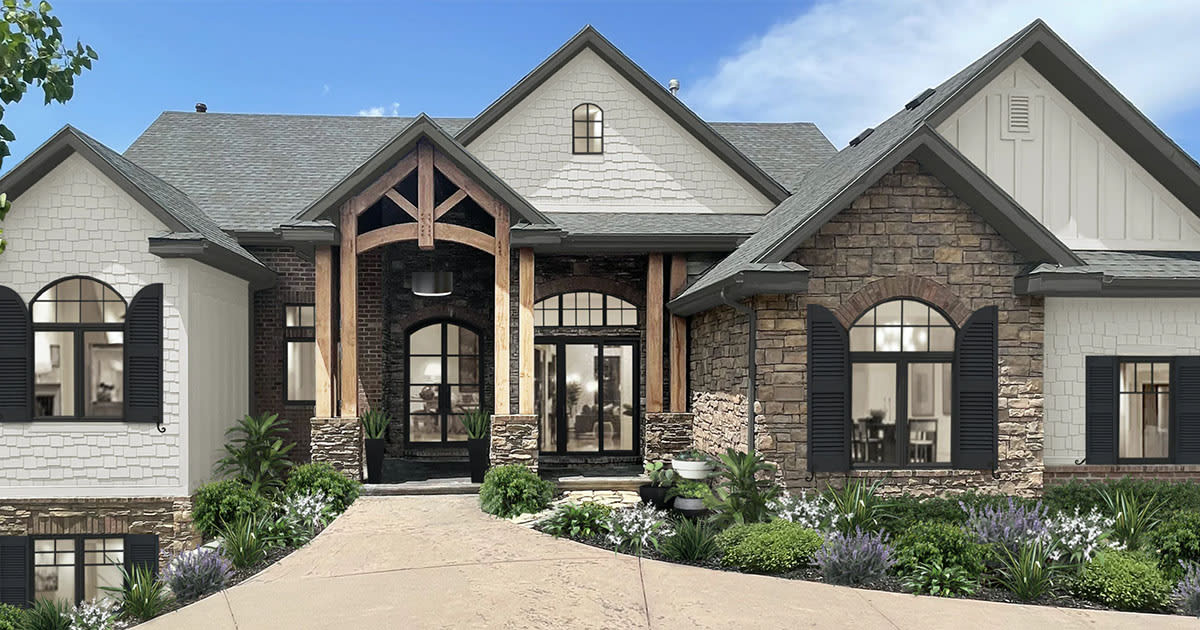
At their core, rustic houses are homes designed to reflect natural beauty, simplicity, and traditional craftsmanship. They often draw inspiration from rural architecture—think farmhouses, cabins, and countryside cottages.
Definition
Rustic houses are residential spaces that emphasize:
- Natural materials like wood, stone, and metal
- Organic textures and imperfections
- Warm, earthy color palettes
- A connection to nature and traditional living
Unlike polished modern interiors, rustic design celebrates flaws—knots in wood, uneven stone, and weathered finishes.
Key Features of Rustic Houses
To truly understand <strong>rustic houses</strong>, you need to recognize the elements that define them.
1. Natural Materials
Wood is the backbone of rustic design. From exposed beams to hardwood floors, it brings warmth and authenticity.
Common materials include:
- Reclaimed wood
- Natural stone
- Wrought iron
- Clay and brick
2. Earthy Color Palette
Rustic homes lean heavily into nature-inspired tones:
- Browns, beiges, and tans
- Deep greens
- Warm grays
- Muted reds and terracotta
These colors create a grounded, calming atmosphere.
3. Exposed Structural Elements
Instead of hiding beams or stone walls, rustic design highlights them:
- Ceiling beams
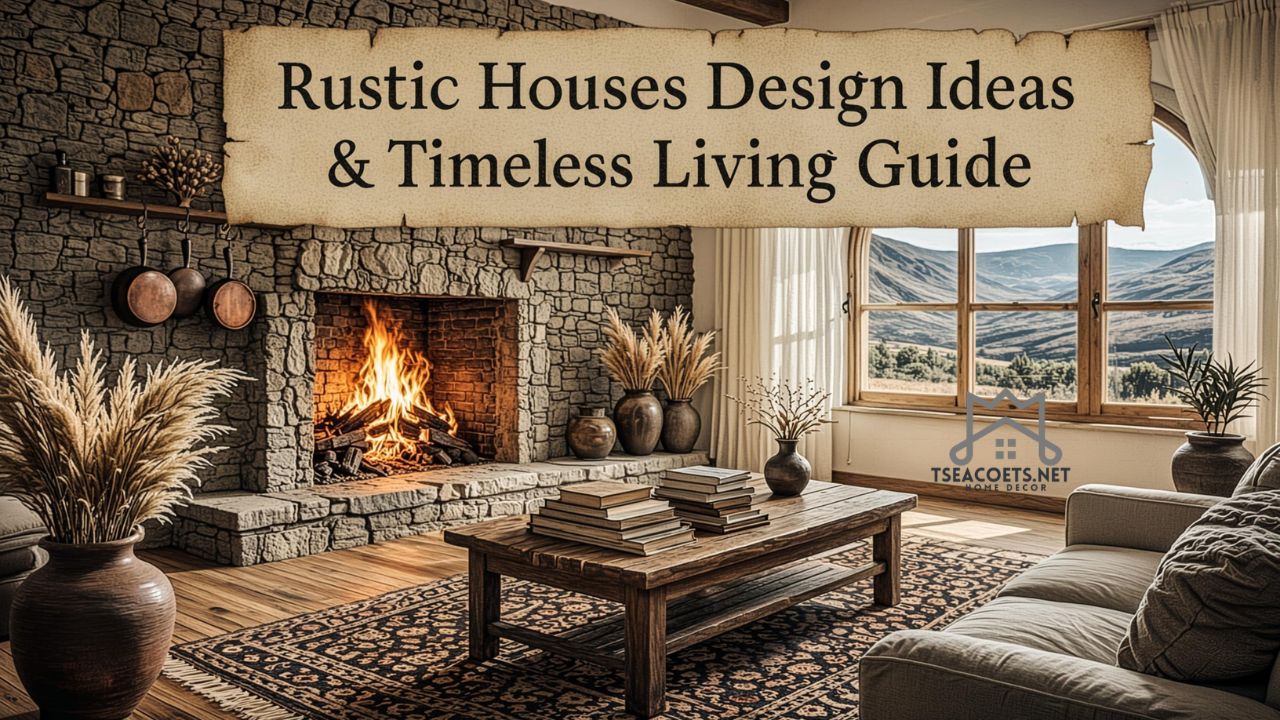
- Stone fireplaces
- Wooden rafters
4. Cozy, Lived-In Feel
Rustic spaces are never sterile. They feel:
- Warm
- Inviting
- Slightly imperfect
5. Vintage & Handmade Decor
Handcrafted pieces and antiques are essential:
- Handmade furniture
- Vintage lighting
- Woven textiles
Types of Rustic Houses Around the World
Rustic design isn’t one-size-fits-all. Different regions bring their own flavor.
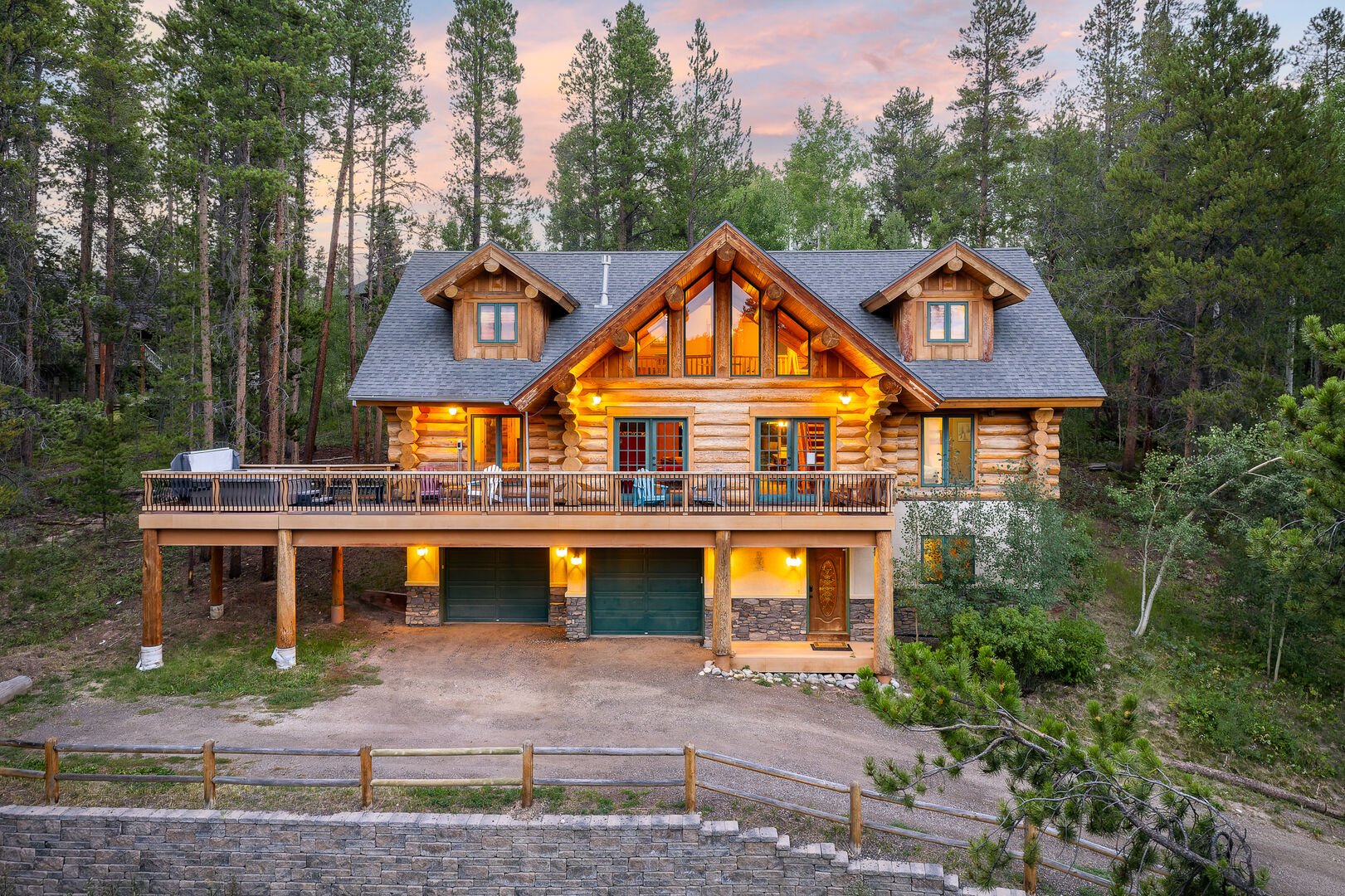
Log Cabins (North America)
- Built entirely from logs
- Often located in forests or mountains
- Known for their rugged charm
Farmhouses (Europe & USA)
- Functional and spacious
- Blend of rustic and practical design
- Often include large kitchens and porches
Mediterranean Rustic Homes
- Stone walls
- Terracotta roofs
- Open courtyards
Alpine Chalets
- Sloped roofs
- Wooden interiors
- Designed for snowy climates

Rustic Houses Interior Design Essentials
Designing interiors for rustic houses is where the magic really happens.
Furniture Style
Rustic furniture is:
- Solid and durable
- Often handcrafted
- Slightly rough around the edges
Popular choices:
- Wooden dining tables
- Leather sofas
- Distressed cabinets
Textures That Matter
Layering textures adds depth:
- Wool rugs
- Linen curtains
- Burlap accents
Lighting
Lighting in rustic homes is soft and warm:
- Lantern-style fixtures
- Edison bulbs
- Iron chandeliers
Kitchen Design
Rustic kitchens are the heart of the home:
- Open shelving
- Wooden countertops
- Farmhouse sinks
Bathroom Touches
Even bathrooms can feel rustic:
- Stone sinks
- Wooden vanities
- Copper fixtures
Materials That Define Rustic Houses
The materials used in rustic houses are not just aesthetic—they define the entire experience.
Wood
Types commonly used:
- Oak
- Pine
- Cedar
Reclaimed wood is especially popular for sustainability.
Stone
Stone adds durability and texture:
- Limestone
- Granite
- Slate
Metal Accents
Used sparingly but effectively:
- Iron railings
- Copper fixtures
- Steel lighting
Rustic Houses vs Modern Homes
Let’s break down the key differences.
| Feature | Rustic Houses | Modern Homes |
|---|---|---|
| Materials | Natural, raw | Industrial, polished |
| Design | Warm, cozy | Minimal, sleek |
| Colors | Earthy tones | Neutral or monochrome |
| Texture | Rough, layered | Smooth, clean |
| Feel | Inviting | Structured |
While modern homes prioritize simplicity, rustic houses prioritize emotion and warmth.
Designing Your Own Rustic House
If you’re dreaming of building or renovating, here’s how to start.
Step 1: Choose the Right Location
Rustic homes thrive in:
- Countryside settings
- Mountain areas
- Near forests or lakes
Step 2: Focus on Structure First
Before décor, prioritize:
- Wooden beams
- Stone foundations
- Natural layout
Step 3: Mix Old with New
Balance is key:
- Combine antique pieces with modern comfort
- Use modern appliances in rustic kitchens
Step 4: Keep It Authentic
Avoid overdoing it. Rustic design should feel natural—not staged.
Cost & Investment Insights
Rustic homes can vary widely in cost depending on materials and location.
Average Costs
- Basic rustic home: $120–$200 per sq ft
- Luxury rustic homes: $250+ per sq ft
What Drives Cost?
- Type of wood used
- Stone sourcing
- Custom craftsmanship
Long-Term Value
Rustic houses often:
- Age beautifully
- Require less frequent redesign
- Maintain strong resale appeal
Common Mistakes to Avoid
Even though rustic design looks effortless, it’s easy to get wrong.
Overdoing the Theme
Too many rustic elements can feel forced.
Ignoring Comfort
Rustic doesn’t mean uncomfortable—always prioritize usability.
Poor Lighting
Dark interiors can feel gloomy if not balanced with proper lighting.
Using Fake Materials
Authenticity is everything—avoid plastic or synthetic substitutes.
Rustic Houses and Lifestyle Connection
Living in rustic houses isn’t just about design—it’s about lifestyle.
People who choose this style often value:
- Simplicity
- Nature
- Slower living
Imagine waking up to natural light filtering through wooden beams, or enjoying a quiet evening by a stone fireplace. It’s not just a home—it’s an experience.
Rustic Houses Personal Appeal & Emotional Value
For many homeowners, rustic living reflects personal identity.
Why People Love Rustic Homes
- They feel nostalgic
- They reduce stress
- They create emotional warmth
In fact, studies suggest that natural materials in homes can improve mental well-being and reduce anxiety.
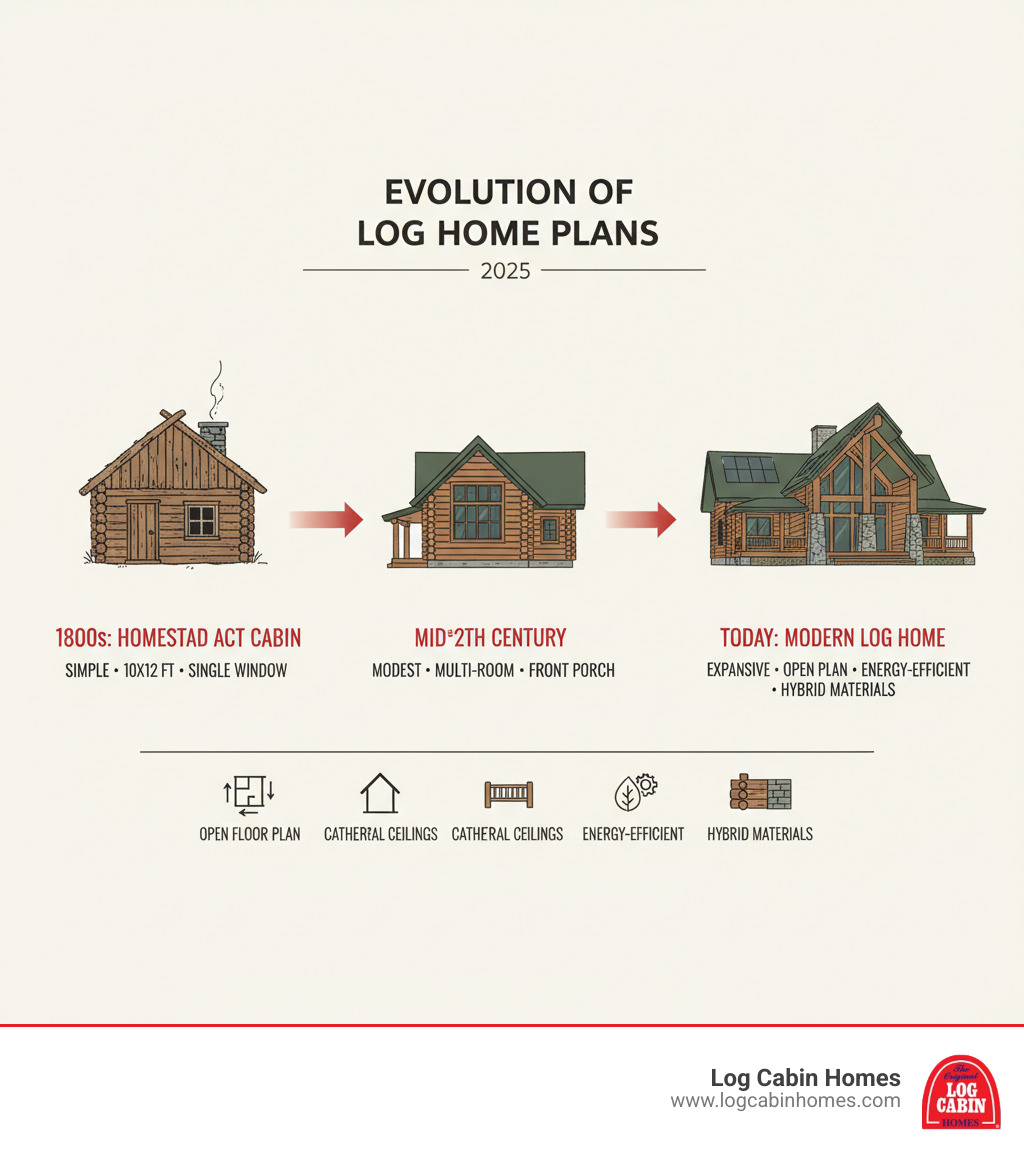
Rustic Houses Infographic Overview

FAQ
What makes rustic houses different from farmhouse style?
Rustic houses focus more on raw materials and natural textures, while farmhouse style blends rustic elements with a slightly more polished, functional look.
Are rustic houses expensive to build?
They can be, especially if using high-quality wood and stone. However, costs vary depending on materials and location.
Can I create a rustic style in a small apartment?
Yes, by incorporating elements like wooden furniture, earthy colors, and textured fabrics.
Do rustic houses require more maintenance?
Not necessarily. Natural materials like stone and hardwood are durable, though wood may need occasional treatment.
What colors work best in rustic interiors?
Earth tones such as brown, beige, green, and muted reds work best.
Are rustic houses energy-efficient?
They can be, especially when built with proper insulation and sustainable materials.
How do I modernize rustic houses?
Blend modern appliances and lighting with traditional materials for a balanced look.
Is rustic design still popular?
Yes, it remains timeless due to its emotional appeal and connection to nature.
Conclusion
At the end of the day, rustic houses aren’t just about aesthetics—they’re about creating a space that feels real, grounded, and deeply personal. In a fast-paced, digital world, they offer a refreshing return to simplicity.
Whether you’re building from scratch or just adding rustic touches to your current home, the goal is the same: warmth, authenticity, and comfort. And honestly, that never goes out of style.