
Introduction
There’s something undeniably charming about a kitchen that feels warm, lived-in, and full of character. A brick backsplash can instantly transform a plain cooking space into a cozy, visually rich environment that feels both modern and timeless. Whether you’re renovating your entire kitchen or just looking for a quick upgrade, this design choice delivers a surprising amount of impact.
In reality, homeowners today are moving away from overly polished surfaces and leaning into textures that tell a story. Brick—once reserved for exterior walls—is now a go-to material for interior accents, especially in kitchens.
That said, choosing the right backsplash isn’t just about looks. It’s about durability, maintenance, cost, and how well it fits your lifestyle. This guide will walk you through everything you need to know so you can confidently decide if this trend is right for you.
What Is a Brick Backsplash?
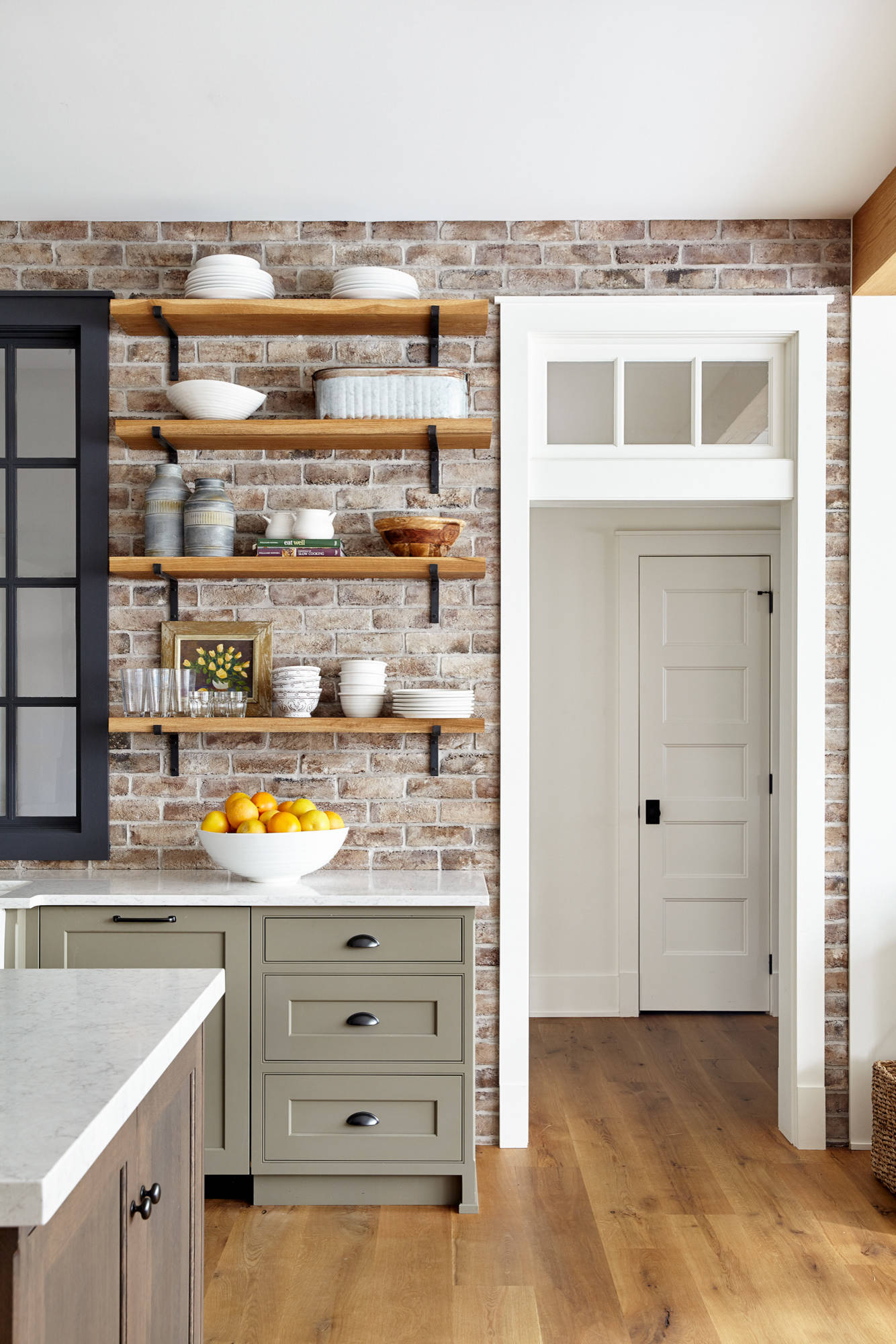
A brick backsplash is a wall covering installed behind kitchen countertops, typically made from real bricks or brick veneer. It serves both a functional and decorative purpose—protecting walls from splashes while adding texture and personality.
Unlike traditional tile backsplashes, brick introduces depth, uneven surfaces, and natural color variation. This makes it particularly appealing in farmhouse, industrial, and contemporary kitchens.
Key Characteristics
- Textured surface with natural imperfections
- Warm, earthy tones (reds, browns, whites)
- Durable and long-lasting
- Can be sealed for stain resistance
Why Choose a Brick Backsplash for Your Kitchen
Choosing a backsplash isn’t just about aesthetics—it’s about how your kitchen feels every day. A brick backsplash brings a sense of authenticity that many modern materials simply can’t replicate.
Emotional Appeal
Think about walking into a kitchen that feels inviting, almost like a rustic café. That’s the emotional power of brick—it creates warmth and nostalgia.
Practical Benefits
- Highly durable against heat and moisture
- Adds resale value due to its timeless appeal
- Works well with multiple design styles
Real-Life Example
Many homeowners who switch to brick often say their kitchen becomes the “favorite room” in the house. It naturally draws people in—something glossy tiles rarely achieve.
Types of Brick Backsplash Materials
Not all brick backsplashes are created equal. The material you choose will affect cost, installation, and maintenance.
Real Brick
Authentic bricks cut into thin slices
- Pros: Genuine texture and durability
- Cons: Heavy and harder to install
Brick Veneer
Lightweight alternative made from clay or cement
- Pros: Easier installation, budget-friendly
- Cons: Slightly less authentic feel
Faux Brick Panels
Manufactured panels designed to mimic brick
- Pros: Affordable and DIY-friendly
- Cons: Less realistic appearance
Painted Brick
A popular modern option where bricks are painted white or gray
- Creates a clean, contemporary look
Design Ideas for Brick Backsplash
Choosing the right design can make or break your kitchen’s overall vibe.

Whitewashed Brick
Softens the rugged look while maintaining texture
- Ideal for Scandinavian or minimalist kitchens
Exposed Red Brick
Classic and bold
- Works well in industrial-style spaces
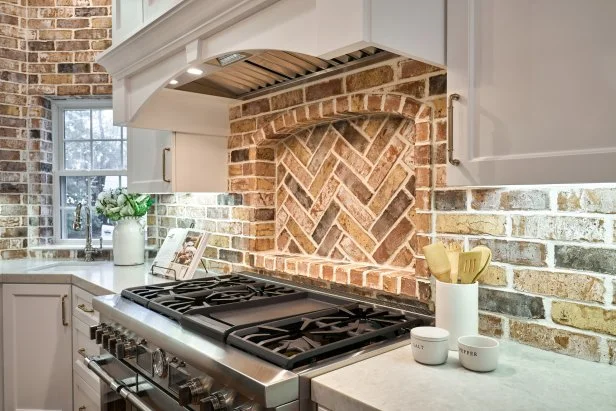
Herringbone Pattern
Adds a modern twist to traditional brick
- Visually dynamic and unique
Dark Brick Contrast
Pair dark bricks with light cabinets
- Creates striking visual depth
Mixed Material Approach
Combine brick with wood or metal accents
- Adds layers and sophistication
Installation Methods Explained
Installing a brick backsplash can be simple or complex depending on the material you choose.
DIY Installation
Best for: Faux panels or lightweight veneer
Steps include:
- Measure and mark the area
- Apply adhesive
- Place bricks or panels
- Seal the surface
Professional Installation
Recommended for real brick
- Ensures proper alignment and durability
- Saves time and reduces errors
Common Mistakes to Avoid
- Skipping sealing (leads to stains)
- Poor alignment
- Using incorrect adhesive
Maintenance and Cleaning Tips
One of the biggest concerns homeowners have is cleaning.
Daily Care
- Wipe with a damp cloth
- Avoid harsh chemicals
Deep Cleaning
- Use mild soap and warm water
- Soft brush for grout lines
Sealing Importance
Sealing your brick backsplash prevents:
- Oil stains
- Moisture damage
- Odor absorption
Cost Breakdown and Budget Planning
Budget is often the deciding factor when choosing a backsplash.
Average Costs
| Material Type | Cost per Sq Ft | Installation Cost | Total Estimate |
|---|---|---|---|
| Real Brick | $10–$30 | High | $$$ |
| Brick Veneer | $5–$15 | Medium | $$ |
| Faux Panels | $3–$10 | Low | $ |
Factors Affecting Cost
- Kitchen size
- Labor charges
- Material quality
- Sealing and finishing
Pros and Cons of Brick Backsplash
Pros
- Timeless and stylish
- Durable and heat-resistant
- Adds texture and character
Cons
- Can be harder to clean
- Requires sealing
- Installation may be costly
Expert Tips for Styling Your Kitchen


Balance Texture
If your backsplash is bold, keep cabinets simple.
Use Proper Lighting
Under-cabinet lighting highlights the texture beautifully.
Pair with Neutral Colors
Let the brick be the star of the show.
Add Greenery
Plants soften the rugged look and add freshness.
FAQs
What makes a brick backsplash different from tile?
Brick offers natural texture and warmth, while tile provides a smoother, more polished finish.
Is a brick backsplash hard to clean?
Not really. With proper sealing, it’s easy to maintain using basic cleaning methods.
Can I install a brick backsplash myself?
Yes, especially with veneer or faux panels. Real brick may require professional help.
Does brick absorb moisture?
Unsealed brick can, which is why sealing is essential.
Is it suitable for modern kitchens?
Absolutely. When paired with sleek cabinets, it creates a stunning contrast.
How long does a brick backsplash last?
With proper care, it can last decades without losing its charm.
Can I paint my brick backsplash?
Yes, painting is a popular way to modernize the look.
Is it expensive compared to tile?
It can be, but options like veneer make it more affordable.
Conclusion
A brick backsplash isn’t just a design trend—it’s a statement. It tells a story, adds depth, and transforms your kitchen into a space that feels authentic and inviting. Whether you go for classic red brick, a modern whitewashed look, or a bold dark finish, the possibilities are endless.
In the end, the best kitchens are the ones that reflect personality and lifestyle. If you’re looking for something that blends durability with timeless appeal, this might just be the upgrade your home has been waiting for.