
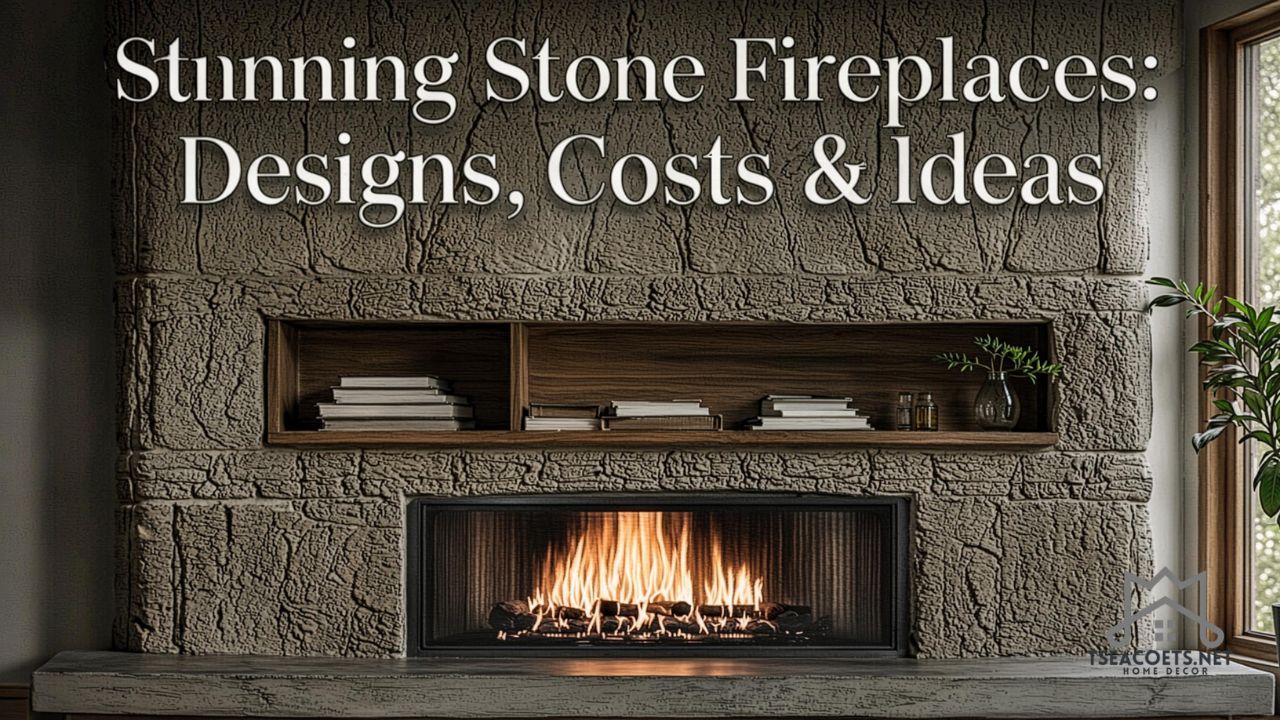
Introduction
There’s something undeniably captivating about stone fireplaces—they don’t just warm a room, they anchor it. Whether it’s the crackle of burning wood or the quiet glow of gas flames, these timeless features instantly make a space feel alive.
In today’s homes, stone fireplaces are more than just functional heating elements. They’re statement pieces, conversation starters, and often the emotional heart of the home. From cozy cabins to sleek modern living rooms, they adapt beautifully to every style.
If you’ve ever walked into a room and felt drawn to the fireplace without knowing why, chances are it was the texture, the depth, and the authenticity of stone. This guide will walk you through everything—from design inspiration to cost considerations—so you can make the perfect choice for your space.


What Are Stone Fireplaces?
Stone fireplaces are heating structures built using natural or manufactured stone materials. Unlike traditional brick or metal fireplaces, they emphasize texture, durability, and visual depth.
At their core, stone fireplaces consist of:
- A firebox (where the fire burns)
- A chimney or vent system
- A stone façade or surround
What makes them special is their ability to blend function with artistry. Each stone piece is unique, meaning no two fireplaces ever look exactly the same.
Why Choose Stone Fireplaces for Your Home
Timeless Aesthetic Appeal
Trends come and go, but stone never feels outdated. A well-designed fireplace can look just as stunning 20 years from now as it does today.
Durability That Lasts Generations
Stone is incredibly resilient. Unlike drywall or wood, it doesn’t warp, fade, or easily damage under heat exposure.
Increased Property Value
Homes with stone fireplaces often command higher resale value. Buyers see them as premium features—symbols of quality and comfort.
Versatility Across Styles
Whether your taste leans toward:
- Rustic farmhouse
- Modern minimalism
- Traditional elegance
Stone adapts seamlessly.
Types of Stone Used in Fireplaces
Natural Stone Options
Natural stones offer authenticity and uniqueness.
Granite
- Extremely durable
- Sleek and modern look
- Heat-resistant
Limestone
- Softer appearance
- Neutral tones
- Perfect for classic interiors
Fieldstone
- Irregular shapes
- Rustic charm
- Often used in countryside homes
Slate
- Dark, dramatic tones
- Smooth texture
- Ideal for contemporary designs
Manufactured Stone Veneer
If budget is a concern, manufactured stone is a popular alternative.
Benefits include:
- Lower cost
- Easier installation
- Lightweight
However, it may lack the authenticity of natural stone.
Popular Stone Fireplaces Designs
Rustic Stone Fireplaces
These designs embrace imperfection—uneven stones, earthy tones, and a rugged finish.
Perfect for:
- Cabins
- Farmhouses
- Cozy living spaces
Modern Minimalist Fireplaces
Clean lines meet natural textures. Think large slabs, neutral colors, and minimal detailing.
Floor-to-Ceiling Designs
A dramatic choice where stone extends from floor to ceiling, creating a bold focal point.
Corner Fireplaces
Ideal for small spaces, maximizing both warmth and layout efficiency.
Double-Sided Fireplaces
These serve two rooms at once—great for open floor plans.
Indoor vs Outdoor Stone Fireplaces
Indoor Stone Fireplaces
These are designed for:
- Living rooms
- Bedrooms
- Basements
They focus on ambiance and insulation.
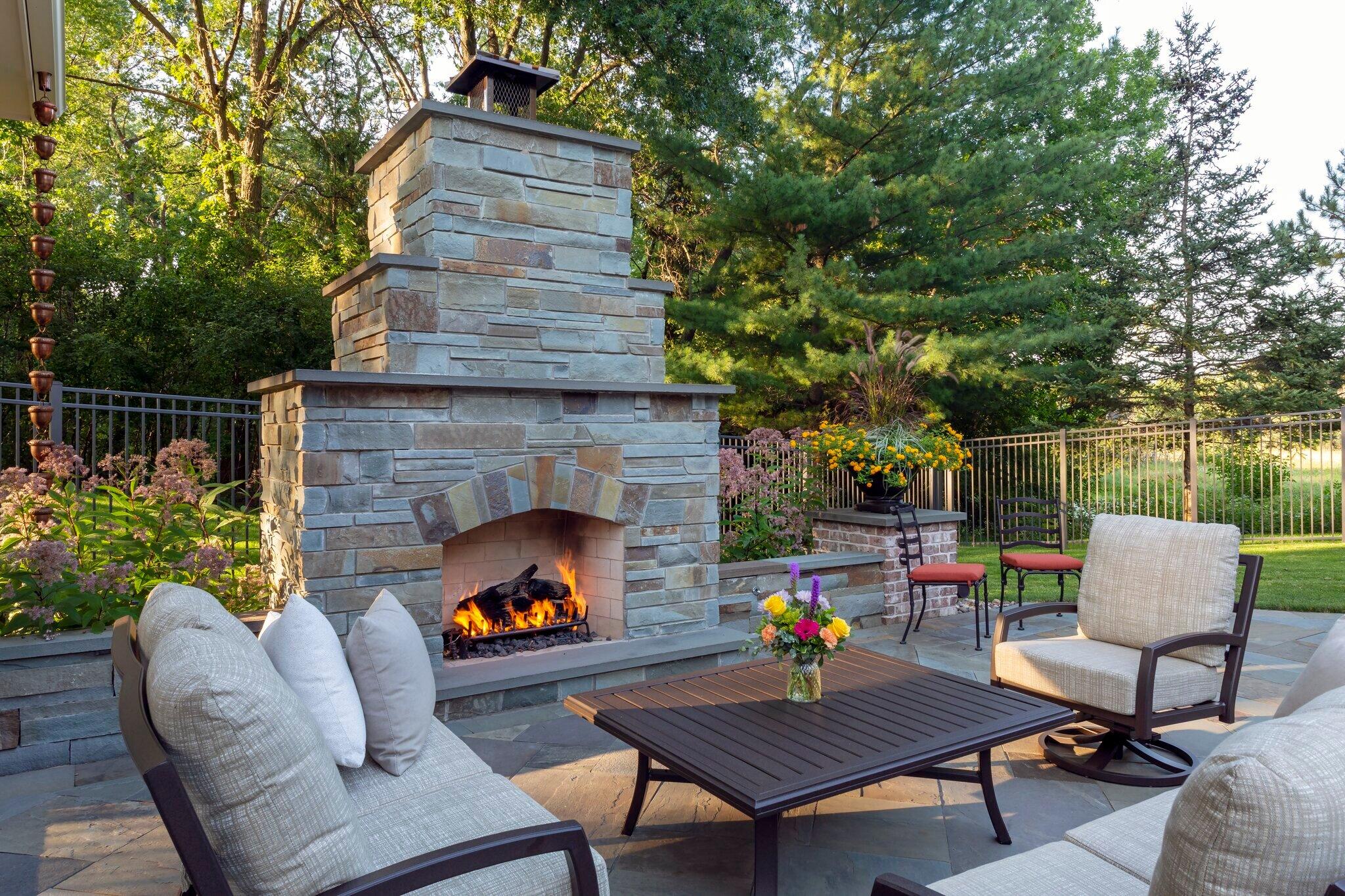
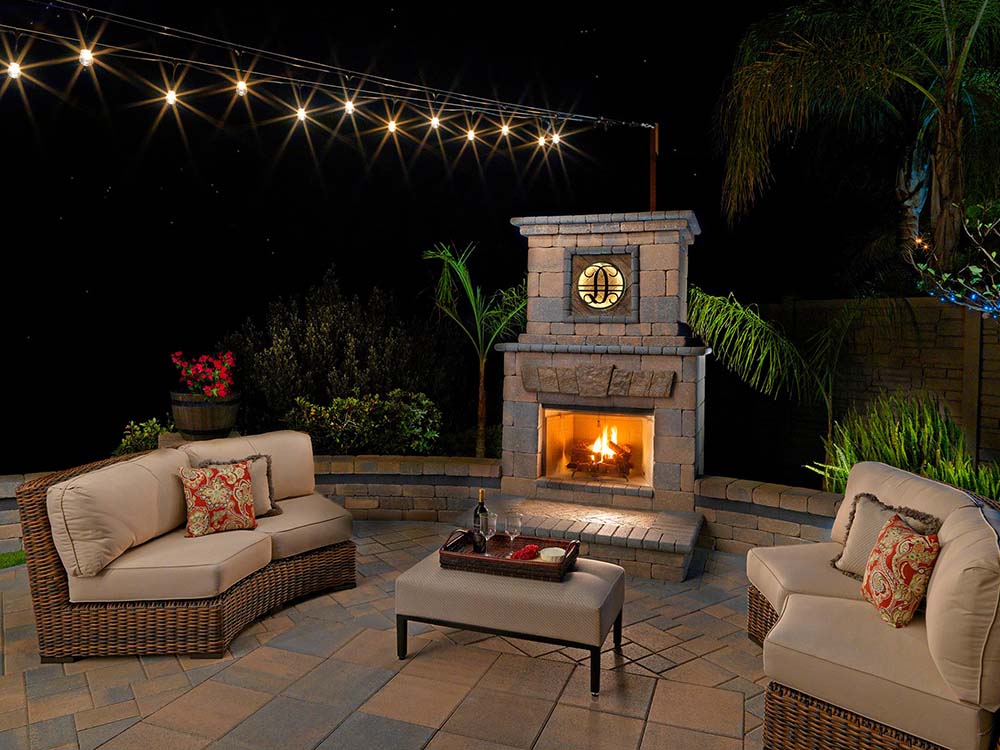
Outdoor Stone Fireplaces
Outdoor designs transform patios into year-round gathering spaces.
Benefits include:
- Extended outdoor living
- Increased entertainment value
- Added property appeal
Cost Breakdown and Budget Planning
Understanding costs is crucial before committing.
Average Cost Range
| Type | Estimated Cost |
|---|---|
| Basic Stone Veneer | $2,000 – $5,000 |
| Mid-Range Natural Stone | $5,000 – $10,000 |
| Luxury Custom Stone Fireplace | $10,000 – $25,000+ |
Factors Affecting Cost
- Type of stone
- Labor costs
- Size and height
- Chimney requirements
- Custom design features
Hidden Costs to Consider
- Structural reinforcement
- Permits
- Maintenance
In reality, many homeowners underestimate labor costs, which can account for nearly 50% of the total expense.
Installation Process Explained
Installing stone fireplaces isn’t a DIY-friendly task for most people.
Step-by-Step Overview
- Planning and design layout
- Foundation preparation
- Firebox installation
- Stone placement
- Grouting and finishing
- Inspection and safety checks
Timeframe
- Simple projects: 3–5 days
- Complex builds: 1–3 weeks
That said, rushing the process often leads to structural issues later.
Maintenance and Care Tips
Stone fireplaces are durable, but they still need care.
Routine Cleaning
- Use a soft brush or vacuum
- Avoid harsh chemicals
- Clean soot regularly
Annual Inspection
Check for:
- Cracks
- Loose stones
- Chimney blockages
Sealing the Stone
Sealing helps:
- Prevent stains
- Maintain color
- Increase longevity
Common Mistakes to Avoid
Even beautiful stone fireplaces can go wrong if not planned properly.
Choosing the Wrong Stone
Not all stones suit every environment. For example, porous stones may stain easily indoors.
Ignoring Proportions
A fireplace that’s too large or too small can disrupt the room’s balance.
Poor Lighting Design
Lighting enhances texture. Without it, stone can look flat and dull.
Skipping Professional Help
DIY installations often lead to costly repairs later.
Design Tips for Perfect Stone Fireplaces
Match with Interior Theme
- Rustic → fieldstone
- Modern → slate or granite
- Traditional → limestone
Combine Materials
Mixing wood, metal, and stone creates depth.
Add a Mantel
A wooden or stone mantel enhances both functionality and style.
Use Contrast
Light stone against dark walls—or vice versa—creates visual drama.
Real-Life Example: A Transformation Story
A homeowner in a suburban neighborhood replaced a plain drywall fireplace with a floor-to-ceiling stone design.
Before:
- Flat, uninspiring wall
- No focal point
After:
- Warm, textured centerpiece
- Increased home value by 12%
- Became the most used space in the house
This shows how impactful the right fireplace can be.
Environmental Impact and Sustainability
Natural stone is one of the most eco-friendly materials available.
Why It’s Sustainable
- Long lifespan
- Minimal processing
- Recyclable
However, transportation and quarrying can impact the environment, so sourcing locally is often the better choice.
Future Trends in Stone Fireplaces
Smart Fireplaces
Integration with smart home systems is growing.
Linear Designs
Long, horizontal fireplaces are gaining popularity.
Mixed Textures
Combining stone with glass or steel is becoming a trend.
FAQs
What is the best stone for fireplaces?
Granite and slate are among the best due to their durability and heat resistance.
Are stone fireplaces expensive to maintain?
Not really. Basic cleaning and occasional sealing keep costs low.
Can stone fireplaces be modern?
Absolutely. Sleek designs with smooth stone surfaces are very popular.
How long do stone fireplaces last?
With proper care, they can last several decades or even generations.
Do stone fireplaces increase home value?
Yes, they are considered premium features and often boost resale value.
Is natural stone better than manufactured stone?
Natural stone offers authenticity, while manufactured stone is more budget-friendly.
Can I install a stone fireplace myself?
It’s not recommended unless you have professional experience.
Are outdoor stone fireplaces weather-resistant?
Yes, especially when built with durable stone like granite or fieldstone.
Conclusion
Stone fireplaces aren’t just architectural features—they’re emotional anchors in a home. They bring warmth, character, and a sense of permanence that few other elements can match.
Whether you’re building from scratch or upgrading an existing space, investing in the right fireplace design can completely transform how your home feels. Take your time, explore your options, and choose something that reflects both your style and your lifestyle.
Because in the end, the best fireplaces aren’t just seen—they’re experienced.