
Introduction
There’s something oddly satisfying about walking into a kitchen that feels open, breathable, and effortlessly organized. That’s exactly where open kitchen cabinets come into play—they strip away the heaviness of traditional cabinetry and replace it with a more inviting, lived-in aesthetic.
At first glance, they might seem like just a trend. But in reality, open kitchen cabinets have become a strategic design choice for homeowners who want both style and functionality. They can make small kitchens feel bigger, encourage better organization habits, and even reduce renovation costs.
That said, they’re not for everyone. If you’re messy or hate dusting, they can quickly turn into a nightmare. But if done right, they can completely transform your kitchen into a space that feels curated rather than cluttered.
What Are Open Kitchen Cabinets?
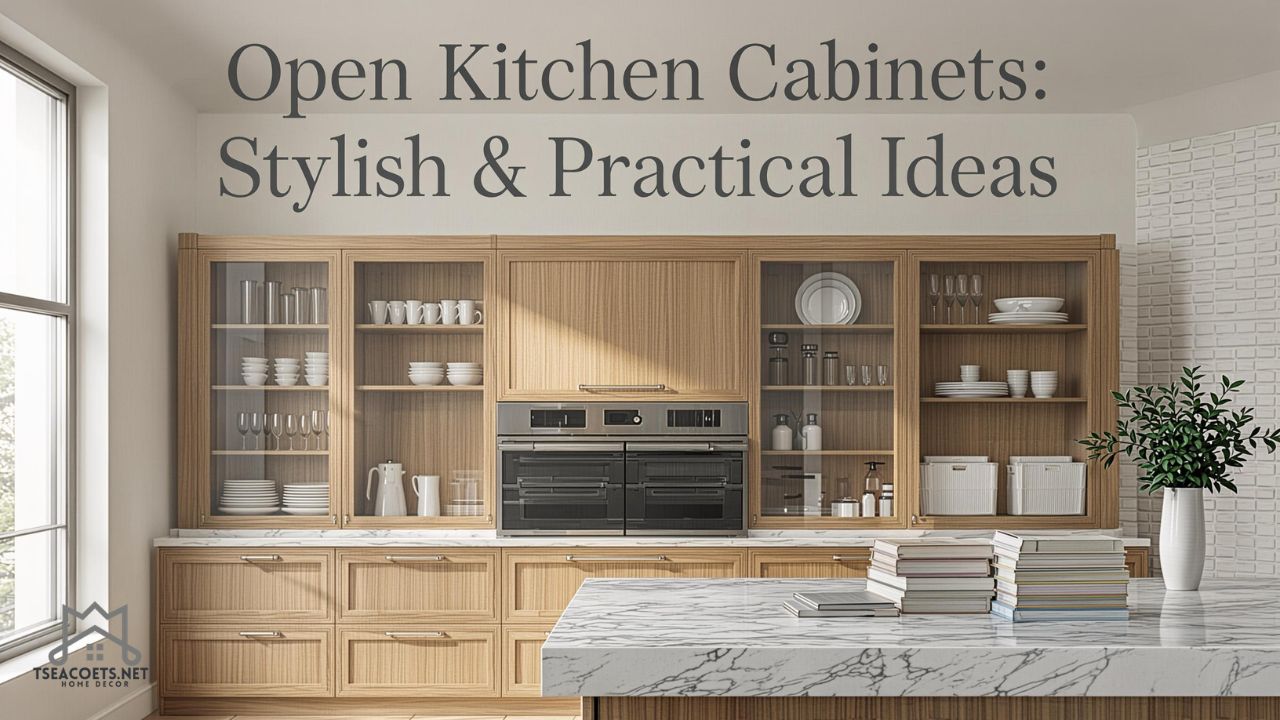
Open kitchen cabinets are exactly what they sound like—storage units without doors. Instead of hiding everything behind panels, your dishes, glassware, and kitchen essentials are on display.
Think of them as a hybrid between storage and decor.
Key Characteristics:
- No doors or shutters
- Easy access to everyday items
- Visible storage (everything is on display)
- Often paired with minimalist or modern designs
In essence, open kitchen cabinets force you to be intentional. You can’t just shove things inside and forget about them.

Benefits of Open Kitchen Cabinets
1. They Make Your Kitchen Feel Bigger
Closed cabinets can make a kitchen feel boxed in. Removing those doors creates visual space, which is especially valuable in smaller homes.
2. Easier Access
You don’t have to open anything—just grab what you need. This speeds up cooking and reduces friction in daily routines.
3. Cost-Effective
No doors = less material, fewer hinges, and reduced labor costs.
4. Encourages Organization
You’re less likely to hoard random junk when everything is visible.
5. Aesthetic Appeal
When styled well, open kitchen cabinets can look like something straight out of a magazine.
Downsides You Shouldn’t Ignore
Let’s not romanticize this—there are real drawbacks.
1. Dust and Grease Build-Up
Your dishes are exposed. In kitchens where cooking involves oil or spices (like in South Asian households), this is a serious issue.
2. Requires Constant Organization
If you’re messy, this will expose it instantly.
3. Limited Storage Privacy
You can’t hide mismatched utensils or ugly appliances.
4. Not Ideal for Heavy Storage
Bulky items can make shelves look cluttered and unstable.
Bottom line: If you’re not disciplined, this design will backfire.
Types of Open Kitchen Cabinets
Floating Shelves
- Mounted directly on the wall
- Clean, modern look
- Ideal for minimal kitchens
Built-In Open Cabinets
- Part of the kitchen structure
- More stable and durable
- Better for heavier items
Combination Cabinets
- Mix of open and closed storage
- Best of both worlds
Corner Open Shelving
- Maximizes unused spaces
- Great for small kitchens

How to Style Open Kitchen Cabinets Like a Pro
Styling is where most people mess up.
Rule #1: Stick to a Color Palette
Pick 2–3 colors max. Too many colors = visual chaos.
Rule #2: Use the Rule of Thirds
Group items in sets of three for a balanced look.
Rule #3: Mix Functional and Decorative Items
- Plates and bowls (functional)
- Plants or jars (decorative)
Rule #4: Leave Some Empty Space
Overcrowding kills the aesthetic.
Example Styling Setup:
- Top shelf: Decorative jars + plants
- Middle shelf: Plates and bowls
- Bottom shelf: Frequently used items
Best Materials for Open Kitchen Cabinets
Choosing the wrong material is a rookie mistake.
Wood
- Warm and natural
- Works in farmhouse or rustic kitchens
Metal
- Industrial look
- Durable but can feel cold
Glass Shelves
- Sleek and modern
- Requires constant cleaning
MDF / Engineered Wood
- Budget-friendly
- Less durable over time
Open Kitchen Cabinets for Small Spaces
If you’re working with a tight kitchen, this is where open kitchen cabinets shine the most.
Smart Tips:
- Use light-colored shelves
- Install vertical shelving
- Avoid bulky items
- Keep only essentials visible
Why It Works:
Open shelving removes visual barriers, making the kitchen feel larger than it actually is.
Budget vs Luxury: Cost Breakdown
| Type | Estimated Cost | Who It’s For |
|---|---|---|
| DIY Floating Shelves | Low | Budget homeowners |
| MDF Open Cabinets | Medium | Mid-range kitchens |
| Solid Wood Custom Shelves | High | Premium interiors |
| Designer Open Cabinet Systems | Very High | Luxury homes |
Brutal Truth:
Most people overspend on aesthetics and ignore practicality. If your kitchen is high-usage, invest in durability—not just looks.
Maintenance and Cleaning Tips
This is where reality hits hard.
Daily:
- Wipe visible surfaces
- Keep items aligned
Weekly:
- Dust shelves
- Clean exposed dishes
Monthly:
- Deep clean shelves
- Reorganize layout
Pro Tip:
Use fewer items. The less you display, the easier it is to maintain.
Real-Life Examples & Design Inspiration

Minimalist Kitchen
Clean lines, neutral tones, and barely any clutter. Works best for modern apartments.
Farmhouse Style
Wooden shelves, ceramic dishes, and vintage jars.
Industrial Look
Metal shelves with exposed pipes and darker tones.
Personal Background: The Rise of Open Kitchen Trends
Open kitchen cabinets didn’t just appear overnight.
Origin
They gained popularity in Scandinavian design—where simplicity and functionality are key.
Evolution
- Early 2000s: Rare and experimental
- 2010–2020: Became a design trend
- Post-2020: Mainstream in modern homes
Market Insight (Important for You as an E-commerce Executive)
Here’s the reality:
- Search demand for “open kitchen cabinets” has grown due to Pinterest and Instagram influence
- Consumers are shifting toward aesthetic + functional products
- High demand for:
- Floating shelves
- Modular open cabinet systems
- Decorative storage jars
Monetization Opportunity:
If you’re selling kitchen products:
- Bundle shelves with decor items
- Offer “complete open shelf kits”
- Target small apartment owners
Estimated market growth for kitchen storage solutions globally is projected to exceed $200 billion, and open shelving is riding that wave.
FAQ
What are open kitchen cabinets best used for?
They are best for storing frequently used items like plates, cups, and jars while also serving as decorative elements.
Are open kitchen cabinets practical?
Yes, but only if you maintain organization and clean regularly.
Do open kitchen cabinets get dusty?
Absolutely. Dust and grease are unavoidable, especially in active kitchens.
Can I mix open and closed cabinets?
That’s actually the smartest approach—balance visibility with hidden storage.
Are open kitchen cabinets cheaper?
Generally yes, because they require fewer materials and hardware.
What should I avoid putting on open shelves?
Avoid clutter, mismatched items, and rarely used appliances.
Are open kitchen cabinets still in trend?
Yes, but only when done with intentional design—not random shelving.
How do I keep them looking good?
Minimalism, consistency, and regular cleaning.
Conclusion
Open kitchen cabinets are not just a design trend—they’re a lifestyle choice. They force you to stay organized, intentional, and visually aware of your space. That’s both their biggest strength and their biggest weakness.
If you want a kitchen that looks like a Pinterest board but behaves like real life, you need balance. Combine open shelving with closed storage. Keep only what you use. And most importantly—don’t fool yourself into thinking aesthetics alone will carry functionality.
Because in the end, a beautiful kitchen that doesn’t work is just expensive frustration.