
Introduction
Step into almost any newly built neighborhood today and you’ll notice a clear pattern: sleek lines, open spaces, and homes designed around comfort, efficiency, and style. The idea of a modern home has become more than just an architectural trend—it represents a lifestyle focused on simplicity, technology, and thoughtful living.
In many ways, a modern home reflects how people live today. Families want flexible spaces, natural light, and interiors that feel calm rather than cluttered. Whether it’s an open-concept kitchen, smart lighting that responds to voice commands, or eco-friendly materials, the modern home is designed to improve everyday life.
But what exactly defines a modern home? Is it simply a minimalist look, or is there more behind the concept?
In reality, modern homes combine architectural philosophy, innovative technology, and human-centered design. This guide explores what makes a modern home unique, the design principles behind it, and how homeowners can create spaces that feel both stylish and deeply comfortable.
What Is a Modern Home
A modern home refers to a style of architecture and interior design that emphasizes simplicity, functionality, and clean aesthetics. Unlike traditional homes that may focus on ornate decoration or historical influences, modern homes prioritize practicality and visual clarity.
The concept originated in the early 20th century when architects began experimenting with new materials and building techniques. Steel frames, glass walls, and reinforced concrete allowed designers to move beyond traditional limitations.
Key Characteristics
Modern homes typically include:
- Clean geometric shapes
- Open floor plans
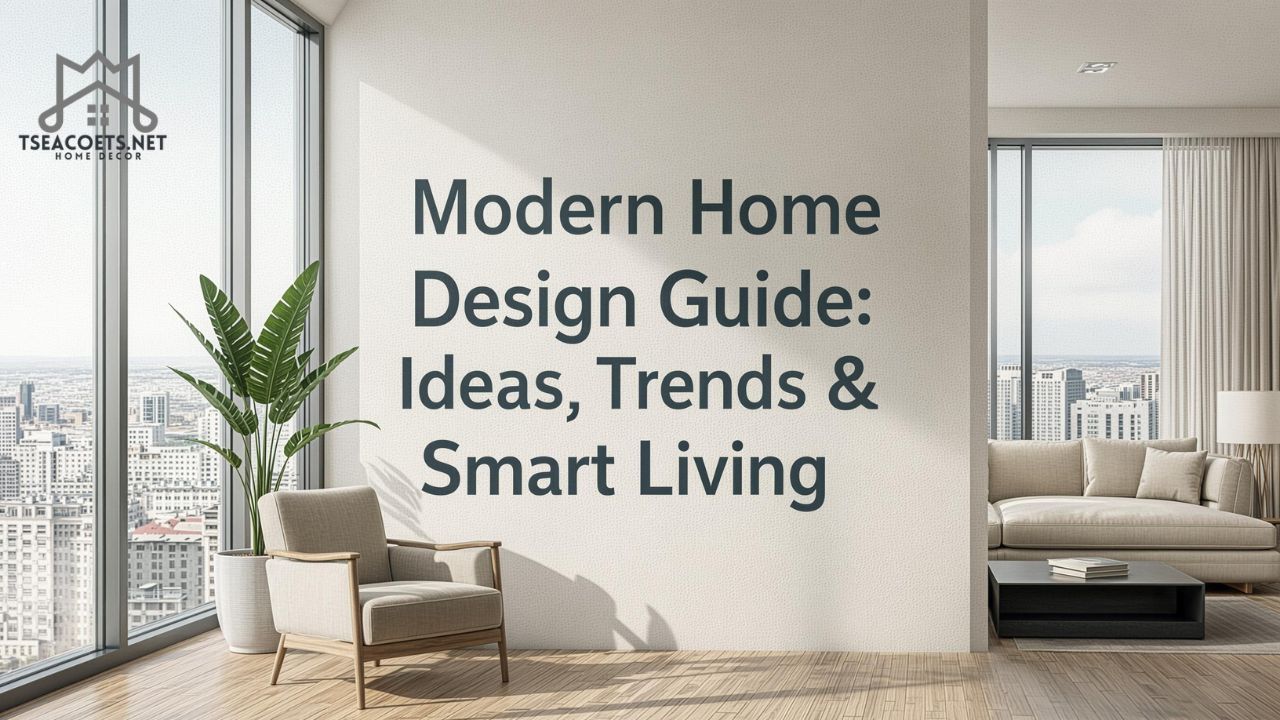
- Large windows for natural light
- Minimal decorative elements
- Neutral color palettes
- Integration of indoor and outdoor spaces
Another defining feature is functionality. Every design choice—from the placement of windows to the layout of rooms—serves a purpose.
Why Modern Homes Are So Popular
Several factors contribute to the growing popularity of modern homes:
- Lifestyle compatibility – open spaces suit modern families.
- Energy efficiency – modern construction often uses sustainable materials.
- Technology integration – smart systems fit naturally into modern architecture.
- Visual appeal – simplicity creates timeless elegance.
Because of these qualities, the modern home has become a symbol of contemporary living.
The Evolution of Modern Home Architecture
The concept of the modern home didn’t appear overnight. Instead, it evolved through decades of experimentation and cultural change.
Early Modernism (1900–1940)
Architects such as Frank Lloyd Wright, Le Corbusier, and Walter Gropius challenged traditional design ideas. They promoted the philosophy that “form follows function.”
Homes began to feature:
- flat roofs
- horizontal lines
- large windows
- minimal ornamentation
This movement laid the foundation for what we now recognize as modern residential design.
Mid-Century Modern Homes
After World War II, modern homes became more accessible. Suburban housing developments incorporated modernist principles while remaining affordable.
Common features included:
- floor-to-ceiling windows
- indoor-outdoor living spaces
- simple furniture design
- open living rooms
Even today, mid-century modern homes remain highly desirable in real estate markets.
Contemporary Modern Homes
Today’s modern homes go beyond aesthetics. They combine:
- advanced construction technology
- energy-efficient systems
- smart automation
- sustainable materials
The modern home has evolved into a balance between beauty, innovation, and environmental responsibility.
Core Design Principles of a Modern Home
Designing a modern home involves more than choosing furniture or colors. It follows several architectural principles.
Simplicity and Minimalism
Minimalism lies at the heart of modern design. Rooms avoid unnecessary decoration and focus on essential elements.
Instead of multiple decorative items, a modern living room might feature:
- one large artwork
- neutral furniture
- subtle lighting
- open space
The result is a calm and uncluttered environment.
Natural Light
Large windows are essential in a modern home. Natural light improves mood, reduces energy use, and enhances interior aesthetics.
Architects often design homes with:
- floor-to-ceiling glass walls
- skylights
- sliding glass doors
- open courtyards
These elements blur the boundary between indoors and outdoors.
Functional Layout
Modern homes prioritize efficient layouts. Every square foot serves a purpose.
Examples include:
| Area | Function |
|---|---|
| Open kitchen | Cooking + social interaction |
| Multi-purpose room | Office + guest bedroom |
| Integrated storage | Hidden cabinets and shelving |
This approach creates homes that feel larger and more practical.
Interior Design Elements of a Modern Home
Interior design plays a crucial role in shaping the atmosphere of a modern home.
Color Palette
Modern interiors typically use neutral colors such as:
- white
- gray
- beige
- black
These tones create a calm foundation that highlights furniture and architectural elements.
Accent colors—like deep blue or emerald green—may be used sparingly.
Materials
Modern homes rely heavily on natural and industrial materials.
Common materials include:
- wood
- steel
- concrete
- glass
- stone
Combining textures creates visual depth without adding clutter.
Furniture Style
Furniture in a modern home tends to feature:
- simple shapes
- clean lines
- low profiles
- neutral upholstery
Iconic pieces like the Eames Lounge Chair demonstrate how furniture can be both artistic and functional.
Modern Home Layouts and Floor Plans
One of the most recognizable features of a modern home is the open floor plan.
Open Concept Living
Traditional homes often separate rooms with walls. Modern homes remove those barriers.
A typical layout may combine:
- kitchen
- dining area
- living room
This creates a spacious environment perfect for family interaction and entertaining guests.
Indoor–Outdoor Integration
Modern homes often include seamless transitions between indoor and outdoor areas.
Examples include:
- sliding glass doors leading to patios
- outdoor kitchens
- garden courtyards
- rooftop terraces
This design philosophy encourages a lifestyle connected with nature.
Flexible Spaces
Today’s homeowners value adaptability.
Modern homes frequently include rooms that serve multiple purposes:
- home offices
- fitness areas
- study spaces
- entertainment rooms
Flexibility makes homes future-proof.
Smart Technology in a Modern Home
Technology plays a vital role in the modern home experience.
Smart home systems allow residents to control various features using smartphones or voice commands.
Common Smart Features
- Smart thermostats
- Voice-controlled lighting
- Security cameras and sensors
- Automated blinds
- Smart kitchen appliances
These technologies enhance convenience, security, and energy efficiency.
Benefits of Smart Living
Smart homes offer several advantages:
- reduced energy consumption
- improved safety
- personalized comfort
- remote home monitoring
For many homeowners, technology transforms the modern home into an intelligent living environment.
Sustainable Features in a Modern Home
Sustainability has become an essential aspect of modern housing.
Architects now design homes with environmental responsibility in mind.
Eco-Friendly Materials
Many modern homes use sustainable materials such as:
- bamboo flooring
- recycled steel
- reclaimed wood
- low-VOC paints
These materials reduce environmental impact.
Energy Efficiency
Energy-efficient systems help reduce long-term costs.
Common features include:
- solar panels
- high-performance insulation
- LED lighting
- energy-efficient windows
A well-designed modern home can reduce energy use by up to 30%.
Water Conservation
Modern homes also incorporate water-saving technologies:
- rainwater harvesting systems
- low-flow plumbing fixtures
- smart irrigation systems
These features contribute to sustainable living.
Cost of Building or Renovating a Modern Home
The cost of building a modern home varies depending on several factors.
Major Cost Factors
| Factor | Impact |
|---|---|
| Location | Land prices vary widely |
| Materials | Premium materials increase cost |
| Smart technology | Adds upfront expense |
| Custom design | Unique architecture costs more |
Average Price Range
In many regions, building a modern home may cost between $150 and $400 per square foot depending on complexity and materials.
However, long-term energy savings often offset higher construction costs.
Personal Background of Modern Home Design Movement
Understanding the background of modern homes requires exploring the architects and designers who shaped the movement.
Architectural Visionaries
Several influential architects contributed to the modern home concept.
Frank Lloyd Wright pioneered organic architecture, emphasizing harmony between buildings and nature.
Le Corbusier introduced revolutionary ideas about urban planning and residential design.
Walter Gropius, founder of the Bauhaus movement, promoted functional design and simplicity.
Career Achievements
These architects achieved international recognition for their innovative designs.
Their work influenced:
- residential architecture
- furniture design
- urban planning
- interior aesthetics
Many of their homes are now preserved as architectural landmarks.
Financial Impact
While exact net worth figures vary historically, modernist architects often gained significant financial success through:
- architectural commissions
- design patents
- teaching and publications
More importantly, their influence shaped billions of dollars in global construction and real estate industries.
Modern Home Design Mistakes to Avoid
Despite its simplicity, designing a modern home can be challenging.
Here are common mistakes homeowners should avoid.
Over-Minimalism
While minimalism is important, removing too many elements can make a home feel cold or empty.
Adding texture and warmth helps balance the space.
Poor Lighting Planning
Lighting dramatically affects modern interiors.
A good lighting strategy should include:
- ambient lighting
- task lighting
- accent lighting
Without layered lighting, rooms may feel flat.
Ignoring Storage
Modern homes often hide storage to maintain clean aesthetics.
Built-in cabinets, hidden shelving, and smart storage solutions keep spaces organized.
Future Trends in Modern Home Living
The concept of a modern home continues to evolve as technology and lifestyle preferences change.
Smart Eco Homes
Future homes will integrate renewable energy with AI-driven home management systems.
Modular Construction
Prefabricated homes are becoming increasingly popular due to faster construction and lower costs.
Wellness-Focused Design
Architects are now designing homes that promote mental and physical health through:
- natural lighting
- air purification systems
- biophilic design elements
The future modern home will likely prioritize wellness and sustainability.
FAQs
What defines a modern home?
A modern home is defined by clean architectural lines, open floor plans, large windows, and minimal decorative elements. Functionality and simplicity are key design principles.
Are modern homes expensive to build?
Modern homes can cost more initially because of high-quality materials and smart technology, but energy efficiency often reduces long-term expenses.
What is the difference between modern and contemporary homes?
Modern homes refer to a specific architectural movement, while contemporary homes reflect current design trends that change over time.
Can small houses follow modern home design?
Yes. Many small houses successfully use modern design principles such as open layouts, multi-purpose spaces, and minimalist interiors.
Are modern homes energy efficient?
Most modern homes include energy-efficient systems like solar panels, insulation upgrades, and smart climate control.
What materials are used in modern homes?
Common materials include glass, steel, wood, concrete, and stone. These materials emphasize durability and simplicity.
Do modern homes have traditional furniture?
Usually not. Furniture in modern homes tends to feature simple shapes, neutral colors, and minimal ornamentation.
Can older houses be converted into modern homes?
Yes. Renovations can introduce open layouts, modern materials, and updated technology to transform older homes into modern living spaces.
Conclusion
The idea of a modern home goes far beyond sleek architecture or minimalist décor. It represents a thoughtful approach to living—one that values simplicity, efficiency, and connection with the surrounding environment.
From open layouts and natural light to smart technology and sustainable materials, modern homes reflect how people want to live today: comfortably, efficiently, and beautifully.
As architecture continues to evolve, the modern home will likely become even smarter, greener, and more human-centered. Whether building a new house or renovating an existing one, embracing modern design principles can create spaces that feel timeless, functional, and deeply inspiring.