
Introduction
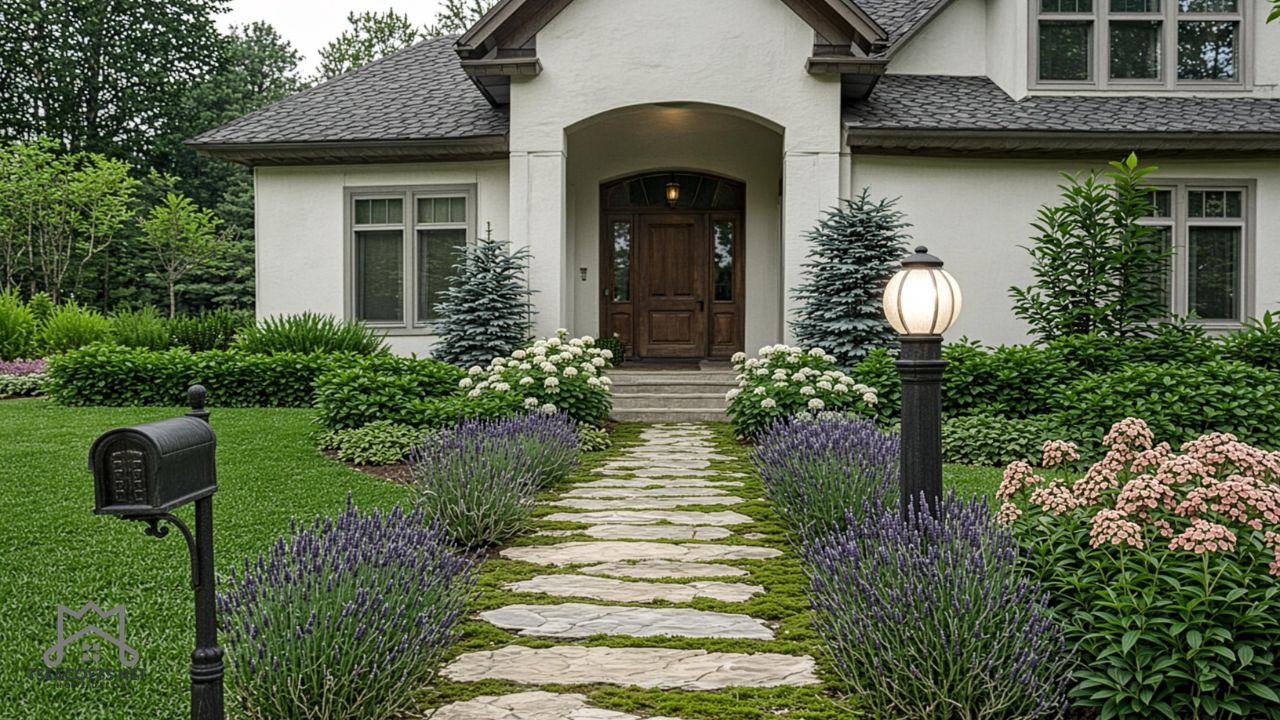
The first thing people notice about your home isn’t the living room or kitchen—it’s the yard out front. That small patch of land can instantly shape how your home feels. Thoughtful front yard landscaping ideas can transform an ordinary entrance into a welcoming space that reflects personality, style, and even pride of ownership.
Many homeowners underestimate how powerful landscaping can be. A simple arrangement of plants, a curved pathway, or strategic lighting can dramatically improve curb appeal and property value. In fact, according to several real estate studies, attractive landscaping can increase home value by as much as 15%.
Whether you prefer a modern minimalist look, a lush garden vibe, or something practical and low-maintenance, the right design approach makes all the difference. Let’s explore creative and practical ways to turn your front yard into a beautiful outdoor statement.
Understanding Front Yard Landscaping Design
Front yard landscaping involves planning and arranging plants, structures, and outdoor features to create an appealing entrance to a home.
At its core, landscaping blends nature and design. It includes elements such as:
- Trees and shrubs
- Flower beds
- Lawns
- Walkways
- Decorative rocks
- Lighting
- Water features
The goal is not simply decoration. Good landscaping creates balance between architecture and nature, guiding visitors toward the front door while making the home feel more inviting.
Benefits of Creative Front Yard Landscaping
Before diving into specific front yard landscaping ideas, it helps to understand why homeowners invest time and effort into outdoor design.
Increased Property Value
Professionally designed landscapes can raise home value by 10–15%. Buyers often judge a home’s quality based on the yard before even stepping inside.
Improved Curb Appeal
A well-designed yard creates a welcoming atmosphere and makes your home stand out in the neighborhood.
Environmental Benefits
Plants help filter air pollutants, reduce heat, and support local wildlife like birds and pollinators.
Emotional Well-being
Surprisingly, gardens affect mood. Green spaces can reduce stress, boost relaxation, and encourage outdoor living.
Modern Front Yard Landscaping Ideas
Modern landscaping focuses on simplicity, structure, and clean lines.
Minimalist Plant Layout
Instead of filling every inch with plants, modern designs use intentional spacing. A few well-placed shrubs or ornamental grasses can look more sophisticated than crowded flower beds.
Key plant choices include:
- Lavender
- Boxwood
- Japanese maple
- Ornamental grasses
Geometric Pathways
Straight or angular pathways create a contemporary look. Materials like concrete slabs, pavers, or gravel work beautifully for modern homes.
Benefits include:
- Easy maintenance
- Strong visual structure
- Clear walkway to the entrance
Raised Garden Beds
Raised beds add depth and make plant arrangements more organized.
Materials commonly used:
| Material | Benefits |
|---|---|
| Stone | Durable and elegant |
| Wood | Natural rustic appearance |
| Concrete | Modern and minimal |
Low-Maintenance Front Yard Landscaping Ideas
Not everyone has time to maintain elaborate gardens. Fortunately, many front yard landscaping ideas focus on easy upkeep.
Native Plants
Native plants require less water, fertilizer, and care because they naturally adapt to the climate.
Examples include:
- Wildflowers
- Native grasses
- Drought-resistant shrubs
Gravel Gardens
Gravel landscaping is becoming increasingly popular because it reduces watering and mowing.
Advantages:
- Excellent drainage
- Minimal weeds
- Modern aesthetic
Mulched Flower Beds
Mulch keeps soil moist and prevents weed growth.
Common mulch options:
- Bark mulch
- Wood chips
- Straw mulch
Small Front Yard Landscaping Ideas
Limited space doesn’t mean limited creativity. Small yards often benefit from thoughtful design choices.
Vertical Gardens
Using vertical space can dramatically improve small landscapes.
Ideas include:
- Wall-mounted planters
- Climbing vines
- Trellises with flowers
Compact Tree Planting
Small ornamental trees can add height and character.
Popular choices include:
- Dogwood
- Cherry blossom
- Dwarf magnolia
Layered Planting
Layered gardens create depth by arranging plants at different heights.
Example layout:
| Plant Layer | Examples |
|---|---|
| Tall plants | Small trees |
| Medium plants | Shrubs |
| Low plants | Ground covers |
This structure gives even tiny yards a lush appearance.
Using Plants and Flowers for Visual Impact
Plants are the heart of most front yard landscaping ideas. Choosing the right combination can dramatically improve your yard’s appearance.
Seasonal Flower Planning
Planting flowers that bloom in different seasons ensures year-round beauty.
Examples:
- Spring: Tulips, daffodils
- Summer: Roses, petunias
- Autumn: Chrysanthemums
- Winter: Evergreen shrubs
Color Coordination
A cohesive color palette creates visual harmony.
Popular combinations include:
- Purple + white flowers
- Yellow + blue contrast
- Soft pastel palettes
Fragrance Gardens
Some plants offer incredible fragrance near entrances.
Top fragrant plants include:
- Jasmine
- Gardenia
- Lavender
These create a welcoming sensory experience for guests.
Hardscaping Features That Transform a Yard
Hardscaping refers to non-living elements used in landscaping design.
These elements add structure and functionality.
Stone Walkways
Natural stone paths guide visitors toward the front door while adding elegance.
Decorative Retaining Walls
Retaining walls help manage slopes and add architectural interest.
Front Yard Seating
A small bench or seating nook encourages relaxation.
Popular seating features include:
- Wooden benches
- Built-in stone seating
- Garden chairs near flower beds
Hardscape features often anchor front yard landscaping ideas and provide long-lasting design structure.
Sustainable Landscaping Approaches
Eco-friendly landscaping is gaining popularity among homeowners.
Rain Gardens
Rain gardens capture runoff water and prevent flooding.
These gardens typically contain moisture-loving plants.
Drip Irrigation Systems
Drip irrigation uses less water than traditional sprinklers.
Benefits include:
- Reduced water waste
- Healthier plants
- Lower water bills
Pollinator Gardens
Pollinator gardens attract bees and butterflies, helping support biodiversity.
Common pollinator plants:
- Coneflowers
- Milkweed
- Bee balm
Lighting and Decorative Elements
Lighting transforms outdoor spaces after sunset.
Strategically placed lighting enhances both safety and beauty.
Pathway Lighting
Low-level lights guide visitors safely along walkways.
Accent Lighting
Spotlights highlight trees, sculptures, or architectural features.
Decorative Features
Adding decorative touches enhances personality.
Ideas include:
- Garden statues
- Water fountains
- Decorative planters
Combining lighting with thoughtful front yard landscaping ideas creates an inviting nighttime environment.
Personal Background and Landscape Design Inspiration
Many landscape designers develop their passion from a deep connection with nature. For instance, renowned landscape architect Frederick Law Olmsted—designer of Central Park—believed green spaces should improve human health and community life.
Modern landscape designers often follow similar principles. Their career journey typically begins with horticulture, architecture, or environmental design.
Achievements in this field include:
- Designing public parks
- Creating sustainable residential landscapes
- Developing eco-friendly urban spaces
Financially, experienced landscape architects can earn anywhere between $60,000 and $120,000 per year, depending on experience, projects, and location.
Their work continues to shape how neighborhoods and homes connect with nature.
FAQ
What are the best plants for front yard landscaping?
Popular choices include boxwood, lavender, hydrangeas, ornamental grasses, and small flowering trees like dogwood.
How can I improve curb appeal quickly?
Simple upgrades such as fresh mulch, colorful flowers, pathway lighting, and trimmed hedges can instantly improve curb appeal.
Are low-maintenance landscapes possible?
Yes. Native plants, gravel gardens, and drought-resistant shrubs require significantly less care than traditional lawns.
How much does front yard landscaping cost?
Costs vary widely depending on project size. Basic landscaping may cost a few hundred dollars, while professional redesigns can range from $3,000 to $15,000 or more.
What is the most popular landscaping style today?
Modern minimalist landscaping is currently trending. It emphasizes clean lines, structured layouts, and low-maintenance plants.
Should I remove my lawn entirely?
Not necessarily. Many homeowners combine smaller lawns with flower beds, trees, and pathways for balance.
How do I design landscaping for a small front yard?
Use vertical gardens, compact plants, layered planting, and simple pathways to maximize limited space.
Do landscaping improvements increase home value?
Yes. Attractive landscaping can increase property value by up to 15% and make homes sell faster.
Conclusion
Your front yard is more than just outdoor space—it’s the first impression of your home. Thoughtfully planned front yard landscaping ideas can transform a plain entrance into a beautiful and welcoming environment.
From modern minimalist designs to lush flower gardens, the possibilities are nearly endless. By combining plants, pathways, lighting, and sustainable elements, homeowners can create landscapes that look stunning while remaining practical.
Ultimately, great landscaping tells a story. It reflects personal style, enhances the home’s character, and connects people with nature—right outside the front door. 🌿