
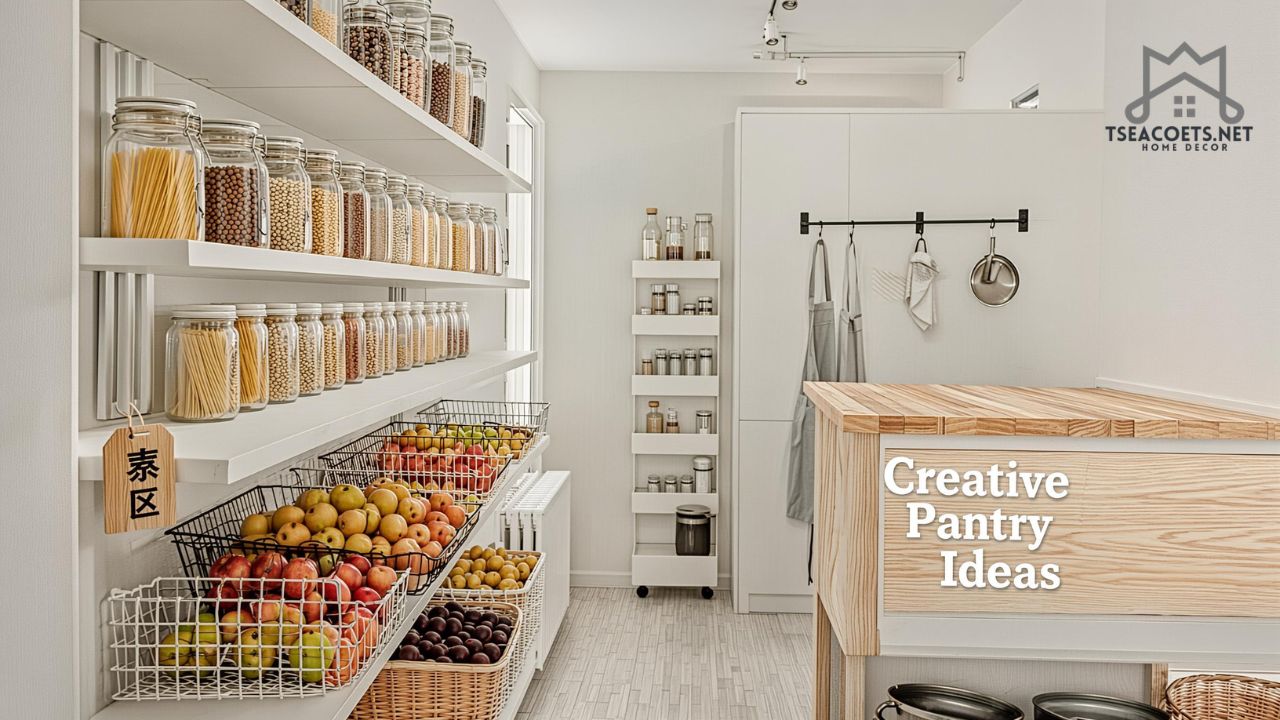
Introduction
Open your kitchen cabinet and imagine everything neatly organized—spices perfectly aligned, snacks easy to grab, and ingredients visible at a glance. That’s the magic good pantry ideas can bring to your home. Instead of digging through cluttered shelves, a well-planned pantry makes cooking faster, easier, and even more enjoyable.
Many homeowners underestimate how much impact pantry organization can have on daily life. From reducing food waste to saving time during meal prep, smart storage solutions transform kitchens into efficient workspaces.
Whether you live in a compact apartment or a large family home, the right pantry design can maximize every inch of storage. Thoughtful layouts, creative containers, and practical shelving can turn even the smallest corner into a functional pantry.
In this guide, we’ll explore practical, stylish, and realistic ways to improve your kitchen storage. From small cabinet solutions to walk-in pantry inspiration, these ideas will help you build a pantry that works beautifully for your lifestyle.
Why Pantry Organization Matters
A pantry isn’t just a place to store food—it’s the backbone of an organized kitchen.
When pantry storage becomes chaotic, simple tasks like cooking dinner can feel frustrating. According to kitchen organization studies, households waste up to 30% of purchased food simply because items are forgotten or hidden behind clutter.
Smart pantry planning offers several benefits:
- Saves time during meal preparation
- Reduces food waste
- Keeps ingredients easy to find
- Improves kitchen workflow
- Creates a visually pleasing space
The best <strong>pantry ideas</strong> focus on accessibility, visibility, and efficient storage.
Signs Your Pantry Needs a Makeover
You might need better organization if:
- You buy duplicate groceries accidentally
- Shelves feel overcrowded
- Items fall out when opening the door
- Expired food hides in the back
With the right approach, even a messy pantry can become a streamlined system.
Pantry Ideas for Small Kitchens


Not every home has space for a walk-in pantry. However, clever storage solutions can turn tiny spaces into efficient food storage areas.
Vertical Pantry Storage
Use vertical height instead of floor space.
Ideas include:
- Tall shelving units
- Over-door organizers
- Stackable storage bins
- Hanging spice racks
Vertical storage can double pantry capacity in small kitchens.
Pull-Out Pantry Cabinets
Pull-out pantry drawers make items visible and accessible. Instead of reaching deep into cabinets, sliding shelves bring everything forward.
Benefits include:
- Easy access to items
- Better visibility
- Less wasted space
These cabinets are particularly popular in modern apartment kitchens.
Slim Pantry Designs
A narrow gap beside the refrigerator or cabinet can become a functional pantry.
Slim rolling pantries can store:
- Canned goods
- Spices
- Condiments
- Snacks
This is one of the simplest pantry ideas for tight spaces.
Walk-In Pantry Ideas for Larger Homes


If your home includes a walk-in pantry, you have endless opportunities to create a dream storage space.
Zone-Based Pantry Layout
Professional kitchen designers recommend dividing the pantry into zones.
Typical zones include:
| Pantry Zone | Items Stored |
|---|---|
| Baking Zone | Flour, sugar, baking powder |
| Snack Zone | Chips, cookies, bars |
| Breakfast Zone | Cereals, oats, coffee |
| Cooking Zone | Oils, sauces, spices |
This system makes cooking faster and grocery restocking easier.
Open Shelf Pantry
Open shelves create visibility and accessibility. Instead of hiding ingredients behind doors, everything remains within reach.
Advantages:
- Easy inventory tracking
- Simple cleaning
- Attractive aesthetic
Many homeowners combine open shelving with labeled jars for a minimalist look.
Built-In Pantry Cabinets
Built-in cabinets provide a polished appearance. They can include:
- Adjustable shelves
- Pull-out baskets
- Drawer organizers
This design blends pantry storage seamlessly with kitchen cabinetry.
Modern Pantry Ideas for Stylish Kitchens

Modern kitchens combine practicality with design. Today’s pantry trends emphasize both function and style.
Clear Container Systems
Clear containers offer multiple benefits:
- Easy ingredient identification
- Airtight food storage
- Visual uniformity
Popular pantry containers store:
- Pasta
- Rice
- Flour
- Snacks
They also help prevent pests and moisture damage.
Minimalist Pantry Design
Minimalist storage focuses on simplicity and clean lines.
Key elements include:
- Neutral colors
- Matching containers
- Hidden storage
- Open wooden shelves
Minimalist kitchens often look larger and more calming.
Glass Jar Organization
Glass jars add elegance to pantry storage while keeping ingredients fresh.
They work well for:
- Grains
- Lentils
- Coffee beans
- Nuts
Many designers recommend combining jars with labeled lids for easier organization.
Budget-Friendly Pantry Organization Ideas
Creating a functional pantry doesn’t require expensive renovations.
Many practical pantry ideas use affordable tools available at discount stores.
Storage Baskets
Baskets help group similar items together.
Example categories:
- Snack baskets
- Baking supplies
- Pasta and grains
- Breakfast items
Grouping reduces clutter and speeds up cooking.
Repurposed Containers
Instead of buying expensive organizers, reuse:
- Glass jars
- Plastic food containers
- Mason jars
- Storage boxes
This sustainable approach reduces waste and saves money.
DIY Pantry Shelving
Simple wooden shelves can dramatically increase storage capacity.
DIY shelving advantages:
- Custom sizing
- Low cost
- Flexible design
Many homeowners build pantry shelves for under $100.
Pantry Shelving and Storage Solutions
Shelving determines how efficient a pantry truly becomes.
Adjustable Shelves
Adjustable shelves allow flexibility as storage needs change.
Benefits include:
- Accommodating tall containers
- Creating custom spacing
- Maximizing vertical space
Pull-Out Drawers
Pull-out drawers prevent items from disappearing behind others.
Ideal for:
- Canned goods
- Spices
- Packaged foods
These drawers improve accessibility and reduce clutter.
Lazy Susans
Rotating trays are perfect for corner shelves.
They help organize:
- Oils
- Sauces
- Spices
Lazy Susans eliminate the frustration of reaching behind other items.
Smart Pantry Layout Ideas
A well-designed pantry focuses on usability rather than just storage.
Eye-Level Storage
Frequently used ingredients should sit at eye level.
Examples:
- Cooking oils
- Spices
- Pasta
Less-used items can be placed on higher shelves.
Child-Friendly Pantry Areas
Families often create kid-accessible zones for snacks.
Benefits include:
- Encourages independence
- Reduces kitchen interruptions
- Prevents accidents on high shelves
Pantry Lighting
Proper lighting makes a huge difference.
Options include:
- LED strip lights
- Motion-sensor lighting
- Under-shelf lights
Bright lighting helps identify ingredients quickly.
Pantry Labeling and Container Systems
Labeling is the secret weapon behind professional kitchen organization.
Why Pantry Labels Matter
Labels improve:
- Organization
- Efficiency
- Inventory tracking
When everything is labeled, it’s easier to maintain order.
Labeling Ideas
Popular label styles include:
- Chalkboard labels
- Printed stickers
- Handwritten tags
- Vinyl decals
Choose a consistent style to maintain a cohesive look.
Pantry Inventory Tracking
Some families even track pantry inventory using apps or whiteboards.
This helps avoid:
- Overbuying groceries
- Food expiration waste
These modern pantry ideas combine organization with smart planning.
Pantry Ideas for Families and Busy Homes
Busy households require practical solutions that support daily routines.
Meal Prep Pantry
Create a dedicated section for meal prep ingredients.
Include:
- Grains
- Cooking oils
- Seasonings
- Sauces
Keeping them together simplifies cooking.
Weekly Snack Stations
Snack stations help manage family food consumption.
Kids can access their own basket without disturbing other shelves.
Bulk Storage Areas
Families often buy groceries in bulk.
Designate shelves for:
- Rice bags
- Flour containers
- Bulk snacks
This prevents pantry overcrowding.
FAQ
What are the best pantry ideas for small kitchens?
Vertical shelving, door organizers, and slim pull-out cabinets are excellent solutions. These maximize storage without requiring extra floor space.
How do you organize a pantry effectively?
Group similar items together, use labeled containers, and place frequently used ingredients at eye level. Rotating trays and baskets also improve accessibility.
What is the most practical pantry layout?
A zone-based layout works best. Separate areas for baking, snacks, cooking ingredients, and breakfast foods make kitchens more efficient.
How deep should pantry shelves be?
Most pantry shelves are between 12 and 16 inches deep, which prevents items from being hidden behind others.
Are clear containers better for pantry storage?
Yes. Clear containers improve visibility, maintain freshness, and create a consistent visual appearance.
How can I organize a pantry on a budget?
Use baskets, recycled jars, and DIY shelving. Affordable solutions can dramatically improve pantry organization.
What is the difference between a pantry and kitchen cabinets?
Pantries store bulk food items and dry ingredients, while cabinets typically hold dishes, cookware, and daily kitchen tools.
How often should a pantry be reorganized?
Most experts recommend reviewing pantry contents every three to four months to remove expired items and maintain organization.
Conclusion
An organized pantry does far more than store food—it transforms the way a kitchen functions. With thoughtful planning, even the smallest spaces can become efficient, clutter-free storage areas.
From vertical shelving and clear containers to walk-in pantry layouts and labeled jars, the right pantry ideas help streamline cooking, reduce food waste, and create a calmer kitchen environment.
Whether you’re redesigning a pantry from scratch or simply reorganizing existing shelves, small changes can make a huge difference. A well-organized pantry not only saves time but also makes daily cooking more enjoyable—and that’s something every home can benefit from.