
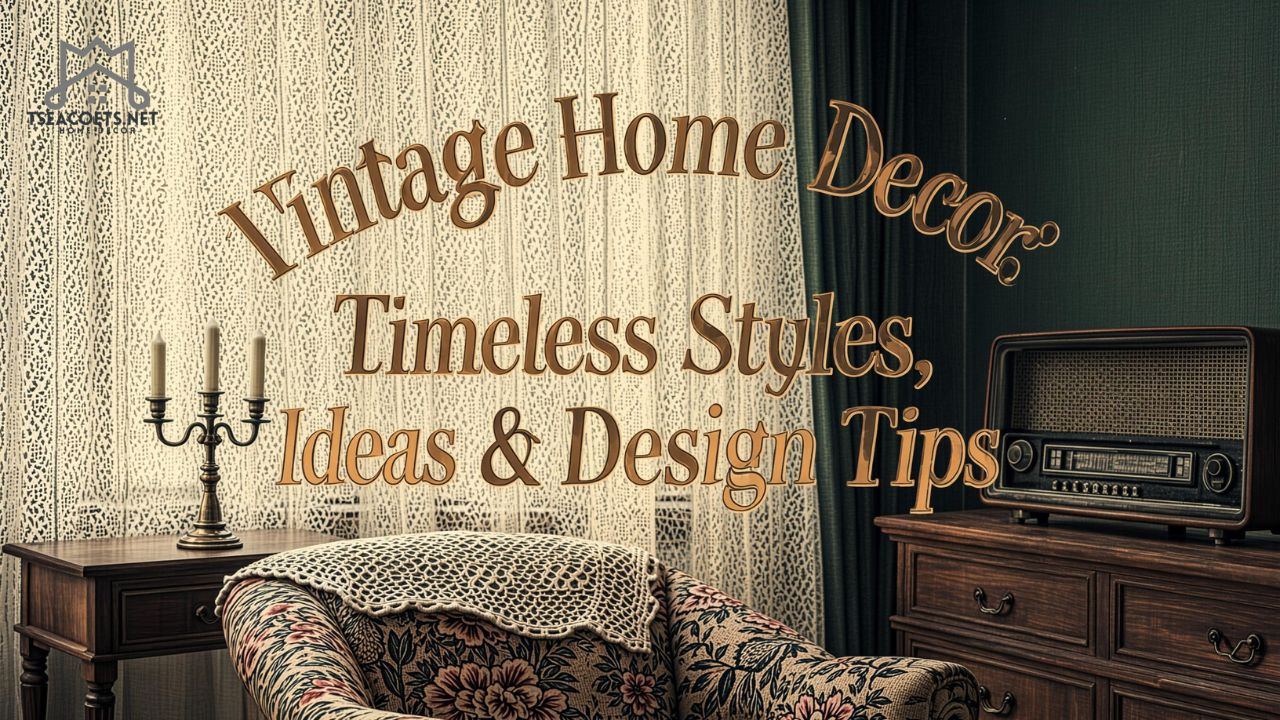
Introduction
There’s something deeply comforting about walking into a space that feels lived-in, storied, and soulful. Vintage home decor captures that feeling perfectly—where every piece seems to whisper a memory rather than shout for attention.
Unlike trend-driven interiors that feel outdated within a year, vintage spaces age gracefully. They tell stories through worn wood, softened metals, and textures shaped by time rather than trends. In reality, this is why more homeowners are turning toward vintage aesthetics instead of ultra-modern minimalism.
What makes vintage decorating so appealing is its emotional pull. It’s not just about how a room looks—it’s about how it feels. Warm, personal, imperfect, and deeply human. That said, doing vintage right requires intention, balance, and a trained eye.
This guide breaks down everything you need to know—from defining vintage style to sourcing authentic pieces and blending them seamlessly into modern homes.

What Is Vintage Home Decor?
At its core, vintage home decor refers to interior styling that incorporates furniture, accessories, and design elements inspired by or originating from the past—typically pieces that are 20 to 100 years old.
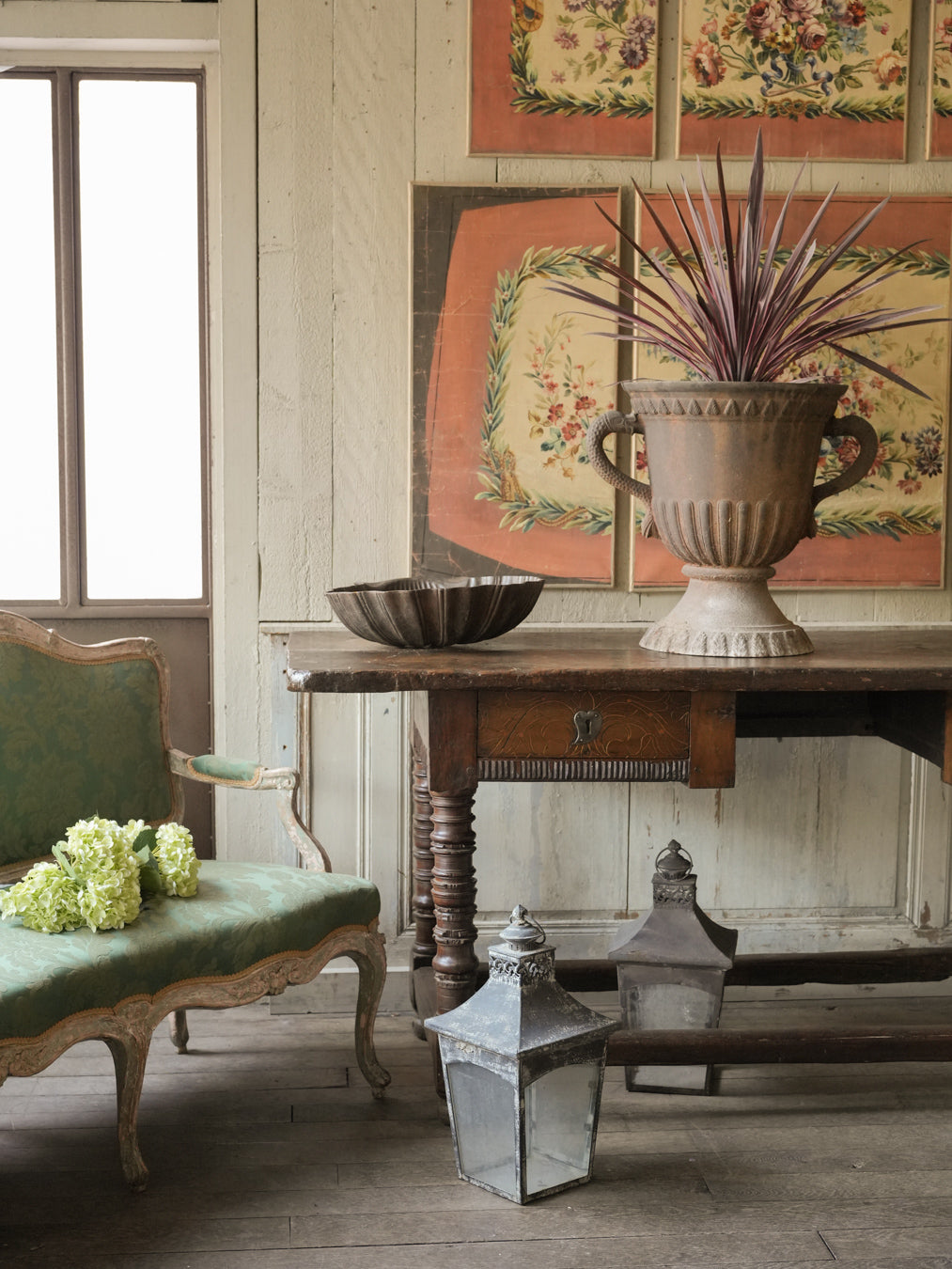
However, vintage isn’t about recreating a museum. Instead, it’s about blending time-worn charm with functionality. A chipped dresser, a patinated mirror, or a brass lamp with soft tarnish all contribute to a layered, collected look rather than a polished one.
Vintage decor values:
- Character over perfection
- Patina over polish
- Story over symmetry
That philosophy is what separates true vintage spaces from manufactured “retro-looking” interiors.
Vintage vs Antique vs Retro: Key Differences
Many people use these terms interchangeably, but they mean very different things.
| Style | Age Range | Key Traits |
|---|---|---|
| Vintage | 20–100 years | Patina, wear, timeless design |
| Antique | 100+ years | High craftsmanship, rarity |
| Retro | New items | Imitates past styles |
Understanding this distinction helps you shop smarter and decorate with confidence.
Why Vintage Home Decor Never Goes Out of Style
Trends come and go, but vintage interiors remain emotionally relevant. Why? Because they’re rooted in authenticity.
According to interior design studies, homes that incorporate older elements feel more comforting and personal than overly minimal spaces. That’s because natural wear signals familiarity to the human brain.
On the other hand, modern decor often prioritizes aesthetics over emotional connection. Vintage flips that equation.
Benefits include:
- Sustainability through reuse
- Unique, one-of-a-kind pieces
- Emotional warmth and nostalgia
- Long-term design relevance
In short, vintage decor feels human—because it is.
Core Elements of Vintage Home Decor
Vintage Furniture Essentials
Furniture anchors any vintage interior. Look for solid wood construction, curved silhouettes, and visible craftsmanship.
Popular vintage furniture pieces include:
- Claw-foot tables
- Wooden sideboards
- Tufted armchairs
- Distressed dressers
- Iron bed frames
Imperfections like scratches or faded finishes are not flaws—they’re features.
Colors and Materials That Define Vintage Style
Vintage color palettes lean warm and muted rather than bold or high-contrast.
Common vintage tones:
- Cream, ivory, and beige
- Sage green and dusty blue
- Rust, mustard, and terracotta
- Soft charcoal and warm brown
Materials matter just as much. Wood, linen, brass, stone, ceramic, and wrought iron dominate vintage interiors because they age beautifully.
Lighting in Vintage Interiors
Lighting sets the mood. Vintage spaces rely on warm, layered lighting instead of harsh overhead fixtures.
Think:
- Brass table lamps
- Glass pendant lights
- Fabric lampshades
- Wall sconces
Soft lighting enhances texture and makes vintage rooms feel intimate rather than dated.

Room-by-Room Vintage Decorating Ideas
Vintage Living Room Design
A vintage living room should feel collected over time, not styled in one day.
Key elements:
- Neutral sofa paired with antique side tables
- Layered rugs for depth
- Vintage artwork or oil paintings
- Books, ceramics, and textiles
Use vintage home decor accents sparingly to avoid visual clutter.
Vintage Bedroom Styling
Bedrooms benefit most from vintage softness.
Consider:
- Iron or wooden bed frames
- Embroidered linens
- Antique mirrors
- Wooden nightstands
Soft textures and muted tones create a restful, romantic atmosphere.
Vintage Kitchen & Dining Spaces
Vintage kitchens thrive on charm.
Add:
- Open shelving with ceramic dishes
- Wooden dining tables
- Glass jars and enamelware
- Pendant lights with warm bulbs
Even small details—like drawer handles—can elevate the entire space.
Vintage Bathroom Decor
Bathrooms are often overlooked but offer huge potential.
Ideas include:
- Pedestal sinks
- Brass faucets
- Framed mirrors
- Patterned tiles
Balance old-world charm with modern plumbing for functionality.
How to Mix Vintage With Modern Decor
Blending styles keeps vintage interiors from feeling outdated.
Effective strategies:
- Pair modern sofas with antique coffee tables
- Use neutral modern walls to highlight vintage art
- Mix clean lines with ornate details
This contrast makes vintage home decor feel intentional rather than nostalgic.
Where to Find Authentic Vintage Decor Pieces
Authenticity matters. Avoid mass-produced replicas when possible.
Best sourcing options:
- Local flea markets
- Estate sales
- Thrift stores
- Antique shops
- Online vintage marketplaces
Always inspect condition, materials, and craftsmanship before buying.
Common Mistakes to Avoid When Decorating Vintage
Even beautiful pieces can fall flat if misused.
Avoid:
- Overcrowding rooms
- Mixing too many eras
- Ignoring lighting
- Choosing imitation materials
- Styling without function
Vintage works best when it feels natural, not forced.
FAQs About Vintage Home Decor
What defines true vintage home decor?
True vintage decor includes authentic pieces or faithful reproductions inspired by designs at least 20 years old.
Can vintage decor work in small homes?
Yes. Focus on lighter colors, mirrors, and fewer statement pieces.
Is vintage home decor expensive?
Not necessarily. Thrifted and secondhand finds can be affordable and unique.
How do I keep vintage decor from looking outdated?
Mix it with modern elements and keep layouts simple.
Can vintage decor be sustainable?
Absolutely. Reusing old furniture reduces waste and promotes sustainability.
Is vintage decor suitable for modern families?
Yes, when paired with durable fabrics and functional layouts.
Conclusion
Vintage home decor isn’t about recreating the past—it’s about honoring it. When done thoughtfully, it creates spaces that feel layered, meaningful, and deeply personal.
In a world chasing the next trend, vintage reminds us that beauty doesn’t expire. It evolves. And homes that embrace that philosophy often feel more welcoming, authentic, and timeless than any showroom-perfect interior ever could.